

You can start your day with a High-Protein Breakfast 2026 that keeps you full and focused. Aim for 20–35 grams of protein at breakfast to curb cravings, support your workouts, and make mornings less chaotic.
This post shows simple building blocks—eggs, Greek yogurt, tofu, canned fish, oats, and some smart extras. Mix quick recipes, make-ahead meals, or grab-and-go options to fit your own routine.
You’ll get easy egg-based choices, plant and dairy-free swaps, bowls, and toasts. There are fresh ideas and meal-prep tips to make high-protein mornings work in 2026.
Why Choose Protein-Rich Breakfasts?
Eating protein at the start of your day supports muscle and keeps hunger in check. It also steadies blood sugar.
Pick foods that fit your routine—eggs, yogurt, tofu, or a protein shake. Breakfast can work for weight, energy, and focus if you set it up right.
Science-Backed Benefits of Breakfast Protein


Protein builds and repairs tissues. It helps you keep muscle as you age.
When you eat protein for breakfast, your body gets amino acids for muscle maintenance and recovery after activity. This matters whether you exercise or just have a long day ahead.
Studies show breakfast protein can boost alertness. It may even improve short-term memory and concentration.
Protein affects hormone signals tied to hunger and metabolism. Try to get sources with complete amino acids—animal proteins or mixed plant proteins like soy, quinoa, or beans with grains.
Impact on Satiety and Weight Management
Protein slows digestion and raises feelings of fullness more than carbs or fats. That means you’ll probably eat fewer snacks or smaller lunches when you start with a protein-rich breakfast.
Choose 15–30 grams of protein to help cut mid-morning cravings. Pair protein with fiber and healthy fats for even longer satiety.
For example: eggs plus vegetables, Greek yogurt with berries and nuts, or a tofu scramble with whole-grain toast. These combos help steady blood sugar and lower the chance of energy crashes.
Protein Needs and Recommended Intake in 2026
General guidance suggests about 0.8–1.6 grams of protein per kilogram of body weight daily, depending on activity and age. For most adults, that’s roughly 45–120 grams per day.
For breakfast, aim for 15–35 grams to make a real dent in your daily total. Older adults and people who exercise often shoot for the higher end.
If you follow a plant-based diet, combine sources across the morning—like nut butter with soy milk or beans with whole grains. That helps you reach a similar protein amount as animal-based breakfasts.
Building Blocks of a High-Protein Breakfast
A strong high-protein breakfast pairs a clear protein source with smart carbs and healthy fats. Add small boosts like seeds, nuts, or whole grains to raise protein, fiber, and staying power without extra processed sugar.
Top Protein Sources for Breakfast
Pick a protein that fits your taste and routine. Greek yogurt or skyr gives about 17–22 g per cup and adds probiotics.
Cottage cheese delivers roughly 20–24 g per cup and blends well if you dislike texture. Eggs are versatile: two large eggs provide about 12–13 g and pair with veggies for more volume.
Smoked salmon or canned tuna add 15–20 g per 3–4 oz and work on toast or with yogurt bowls. For plant options, firm tofu or tempeh gives 10–18 g per serving.
Pea or soy-based yogurt and milk provide 6–10 g per cup. If you use protein powders, go for minimal-ingredient whey or pea isolates and mix into overnight oats, smoothies, or chia pudding to reach 25–30 g when needed.
Balancing Protein With Carbs and Healthy Fats
Aim for roughly 25–30 g protein, 30–45 g carbs, and a moderate amount of fat for satiety. Choose whole-grain oats, sprouted-grain toast, or fruit for steady carbs and fiber.
For example, a bowl of oatmeal with peanut butter and banana gives complex carbs from oats, 3–4 g protein from the oats, plus 7–8 g from 1–2 tablespoons of peanut butter and potassium from the banana. Add healthy fats like olive oil, avocado, or a small tablespoon of nut butter.
These slow down digestion, so your protein keeps you full longer. Keep added sugars low and watch serving sizes—granola should be a topping, not the base.
Nutritious Add-Ins: Seeds, Nuts, and Grains
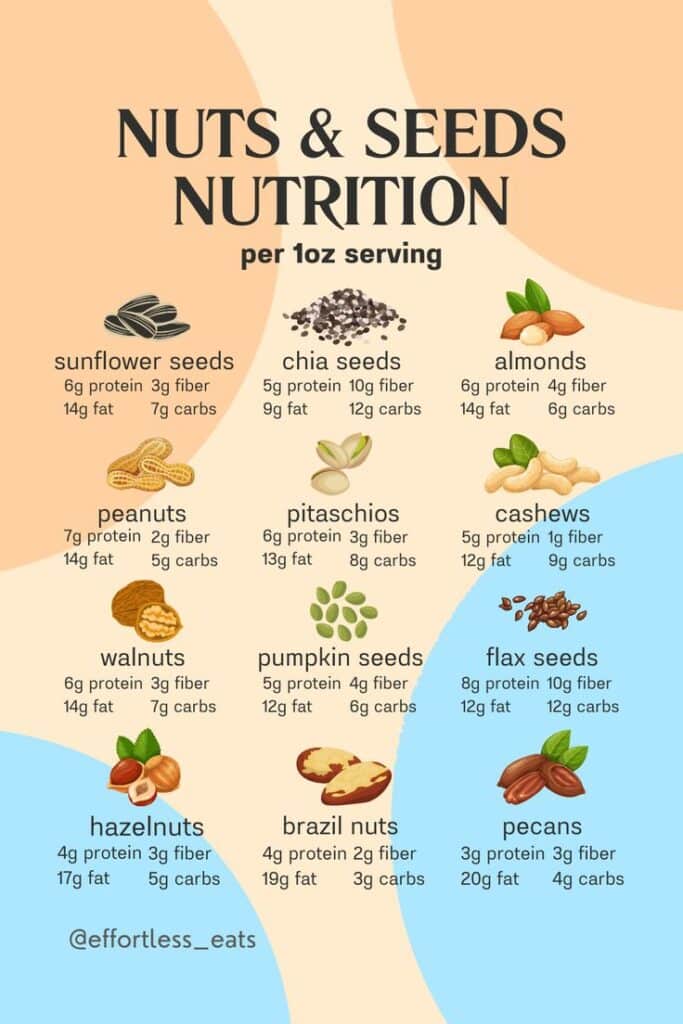
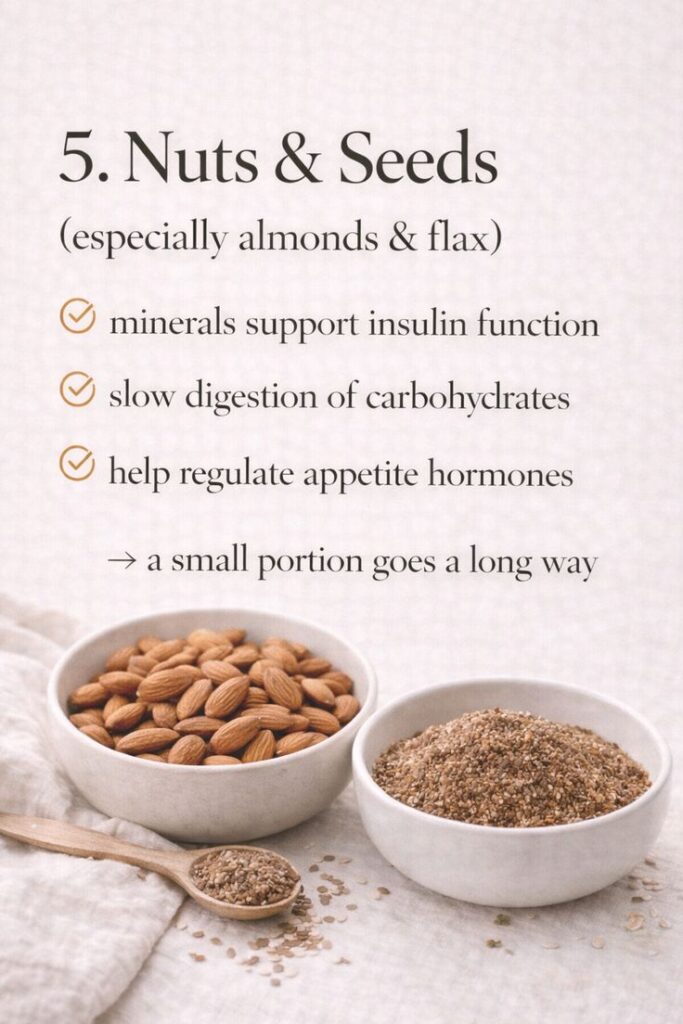
Use seeds and nuts to bump protein and add micronutrients. Chia seeds deliver about 2–3 gof protein per tablespoon and work well soaked into chia pudding or stirred into yogurt.
Hemp hearts add 3 g per tablespoon and give a complete amino acid profile. Nuts like almonds or walnuts add 4–6 g of protein per ounce and healthy fats.
Sprinkle 1–2 tablespoons over Greek yogurt or overnight oats for texture and a protein lift. Whole grains—rolled oats, quinoa, or buckwheat—add fiber and 5–8 g protein per cooked cup.
Overnight oats pair great with chia seeds and nut butter. Mix oats, milk, 1 tablespoon chia, and 1 tablespoon peanut butter for a grab-and-go meal that often reaches 15–20 g protein before you even add yogurt or protein powder.
Easy High-Protein Breakfast Recipes
Start with simple builds you can prep ahead. Pick a base high in protein, add fiber-rich fruit or whole grains, and use quick swaps like protein powder or cottage cheese to boost protein without extra work.
Greek Yogurt Parfaits and Variations

Use 1 cup nonfat Greek yogurt as your base for about 20–25g protein per serving. Layer with ½ cup mixed berries for vitamin C and 2 tablespoons of chia or hemp seeds for extra fiber and omega-3s.
Add 2 tablespoons of chopped nuts or 2 tablespoons of granola for crunch and a few more grams of protein. Try a savory twist: mix cottage cheese with chopped cucumber, tomato, and pepper, then top on whole-grain toast.
That gives a similar protein punch to a Greek yogurt parfait but with less sugar. For grab-and-go mornings, make jars: yogurt, berries, seeds, then seal and refrigerate up to 3 days.
Tips:
- Choose plain Greek yogurt to control sugar.
- Add 1 scoop protein powder (vanilla or unflavored) to push protein to 30g.
- Swap some yogurt for skyr or cottage cheese for higher protein per cup.
Protein Pancakes, Waffles, and Bakes
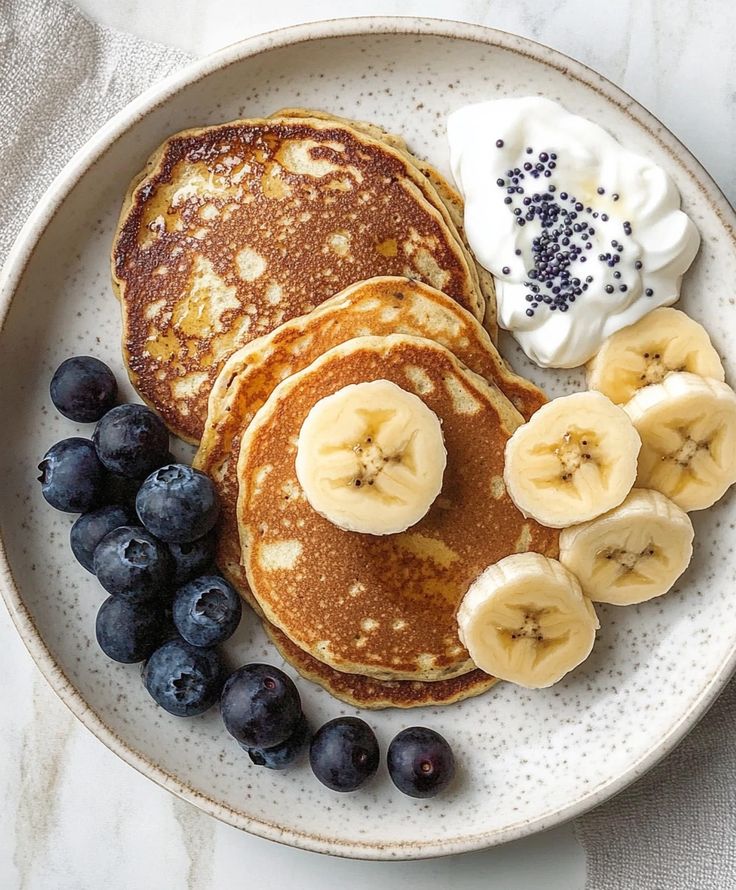
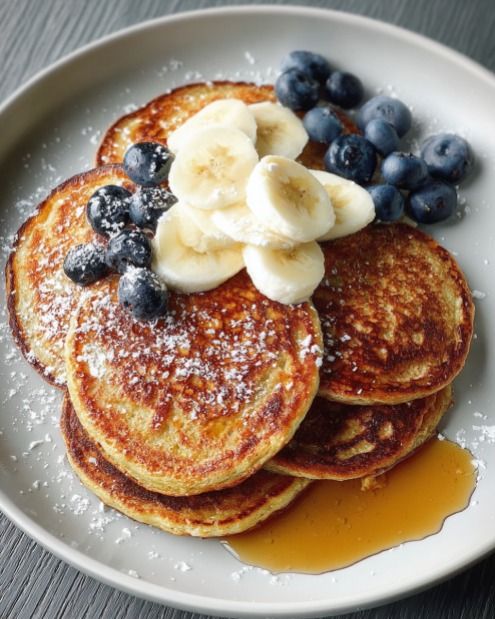
You can make protein pancakes or waffles using ½ cup oat flour, 1 scoop protein powder, and 1 egg plus ¼ cup egg whites. This mix yields about 30–35g protein for a 3-pancake serving.
For cottage cheese pancakes, blend ½ cup low-fat cottage cheese, 2 eggs, and ¼ cup oats. They cook like regular pancakes and add creaminess plus 20–25g protein per batch.
Make a large batch and freeze individual portions. Reheat in a toaster or oven for the same texture as fresh.
Use mashed banana or applesauce to sweeten instead of syrup, and top with Greek yogurt parfait-style berries to add protein and fiber.
Quick swaps:
- Use egg whites to raise protein without extra fat.
- Add 2 tbsp nut butter or Greek yogurt topping for richness and 6–8g extra protein.
- For waffles, use the same batter and crisp in a waffle iron; bake the batter in a muffin tin for portable mini bakes.
Egg-Based Protein Breakfasts
Eggs deliver concentrated protein and quick cooking. You can add vegetables, cheese, or lean meats for flexible meals.
Build breakfasts that fit a 15–45 gram protein goal. Cook ahead or make single-serve portions for busy mornings.
Omelets, Frittatas, and Scrambles


Omelets, frittatas, and scrambles give you fast protein and easy veggie boosts. For higher protein, use whole eggs or mix in cottage cheese or Greek yogurt.
Egg white omelets cut calories but lower total protein, so add a lean meat or cheese if you want more grams. Make a two-egg omelet with 1/4 cup shredded cheese and a handful of spinach to reach about 20–25 g protein.
Frittatas bake well for groups and hold added ingredients like asparagus, salmon, or ham without falling apart. Scrambles let you fold in cooked potatoes or beans for heft.
For texture and fiber, include diced peppers, onions, or mushrooms. Season simply with salt, pepper, and fresh herbs to keep flavors bright.
Egg Muffins and Bites


Egg muffins and egg bites are ideal for meal prep and portable meals. Whisk whole eggs or a mix of whole eggs and egg whites, then pour into a greased muffin tin or silicone mold and add fillings like diced ham, kale, or feta.
Bake 12 mini muffins from six eggs for six single-serve portions. Refrigerate for 4–5 days or freeze for up to 3 months.
Egg bites cooked in a water bath (or sous vide) stay extra creamy; add cottage cheese or a scoop of ricotta to raise protein and keep moisture. Heat a frozen muffin in the microwave for 60–90 seconds.
Label containers with the date so you use the oldest batch first.
Casseroles and Breakfast Hashes


Breakfast casseroles and hashes feed a crowd and reheat well for weekday meals. Casseroles combine eggs with bread, potatoes, or strata-style layers plus ham, sausage, or vegetables to push servings into the 20+ gram protein range.
For a lower-carb option, make a crustless breakfast casserole with eggs, shredded cheese, and chopped veggies. Hashes mix diced potatoes or frozen hash browns with eggs and protein sources like chorizo, bacon, or shredded chicken.
Try “eggs in purgatory” style by poaching eggs in a spicy tomato and pepper base over a bed of sautéed potatoes for a one-pan meal. Cool casseroles to room temperature before refrigerating in shallow containers for safe, even chilling.
Grab-and-Go Protein Breakfast Ideas
These quick options save you time and give at least 15 grams of protein per serving. Make them the night before or batch cook on the weekend so you can grab one and go.
Make-Ahead Overnight Oats and Chia Pudding
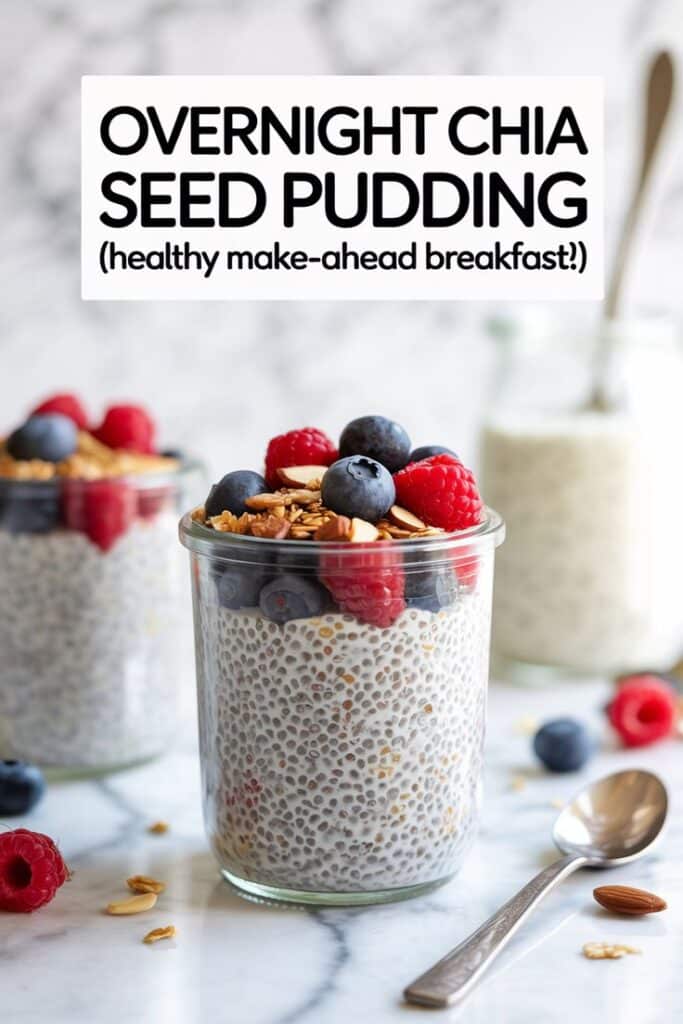
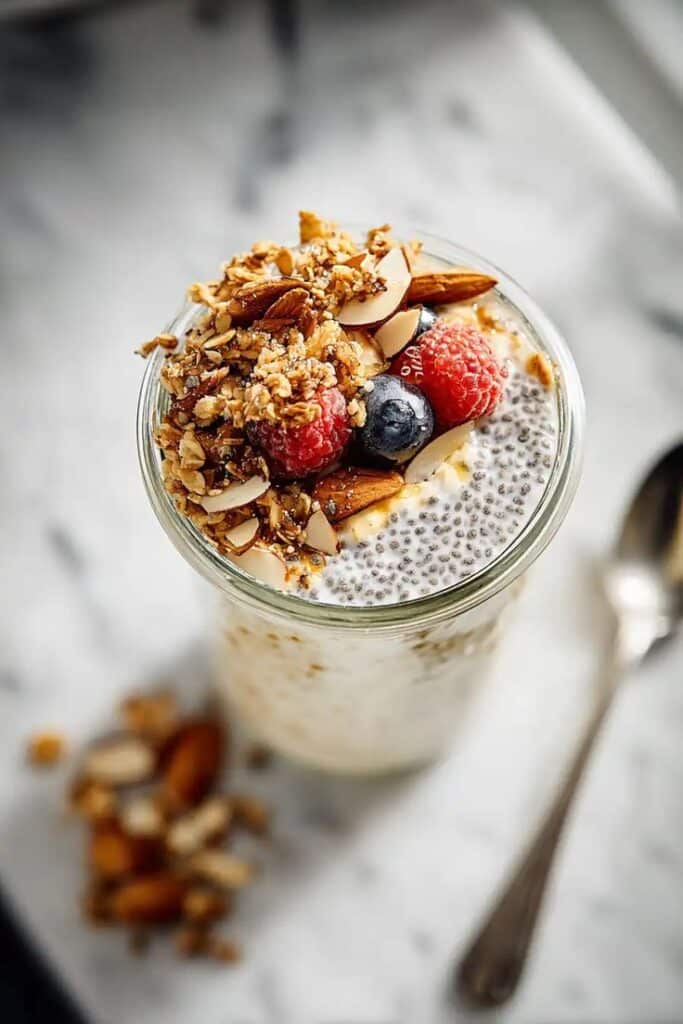
Overnight oats with protein are simple to prep. Mix rolled oats with milk or yogurt, add protein powder or Greek yogurt, and chill.
Use about 1/2 cup oats, 1 scoop protein powder (or 1/2 cup Greek yogurt), and 3/4 cup liquid for a thick texture. Add fruit, nut butter, or a sprinkle of seeds before sealing.
Chia seed pudding needs only 3 tablespoons chia seeds, 1 cup milk, and a sweetener if you like. Stir in protein powder or layer with cottage cheese or Greek yogurt to boost protein.
Store jars in the fridge up to 4 days and grab one for the commute.
Quick tips:
- For creaminess, blend oats with milk before chilling.
- To save time, portion toppings separately so oats stay fresh.
- Use frozen fruit for texture and convenience.
Portable Sandwiches, Wraps, and Burritos


Make breakfast sandwiches or burritos with eggs, cheese, and a protein like turkey, tempeh, or black beans.
For a sandwich, cook an egg or egg patty, then stack it with cheese and lean ham on an English muffin.
For a wrap, grab a whole-grain tortilla, add scrambled eggs, spinach, and a scoop of cottage cheese or hummus.
Scramble 2 eggs, toss in black beans, salsa, and shredded cheese, then roll it all up for a breakfast burrito.
Wrap it in foil and freeze if you want to prep ahead. Reheat in the microwave for 1–2 minutes if chilled, or a bit longer if frozen.
Depending on the fillings, you’ll get 20–30g of protein per burrito.
Packing tips:
- Wrap sandwiches in parchment and foil to help them stay warm.
- Toast or press wraps so they don’t get soggy.
- Make a batch and freeze burritos for up to 2 months.
Plant-Based and Dairy-Free Protein Options
Looking for breakfasts with 15–25 grams of protein but no dairy or eggs? Try tofu, tempeh, beans, quinoa, or nut butters to build meals that actually keep you full.
Tofu Scramble and Vegan Bowls
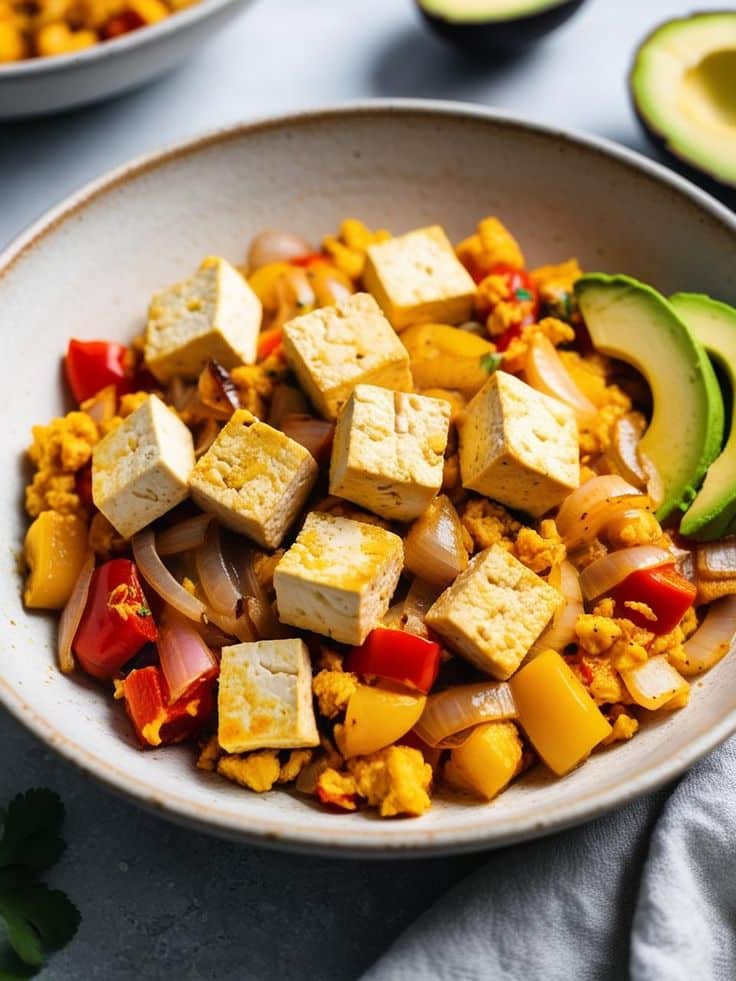
Tofu scramble does a pretty good impression of scrambled eggs and usually lands you 12–20 grams of protein per serving.
Crumble firm tofu, sauté it with turmeric, nutritional yeast, spinach, and mushrooms. Add a splash of plant milk for creaminess.
If you want an eggy aroma, black salt (kala namak) and black pepper do the trick.
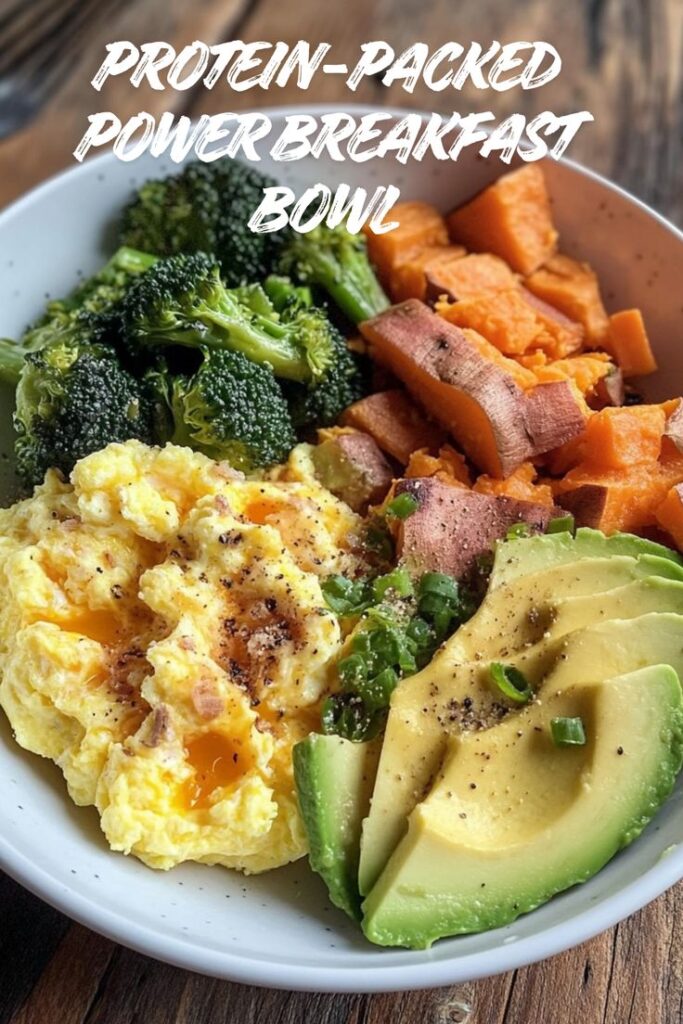
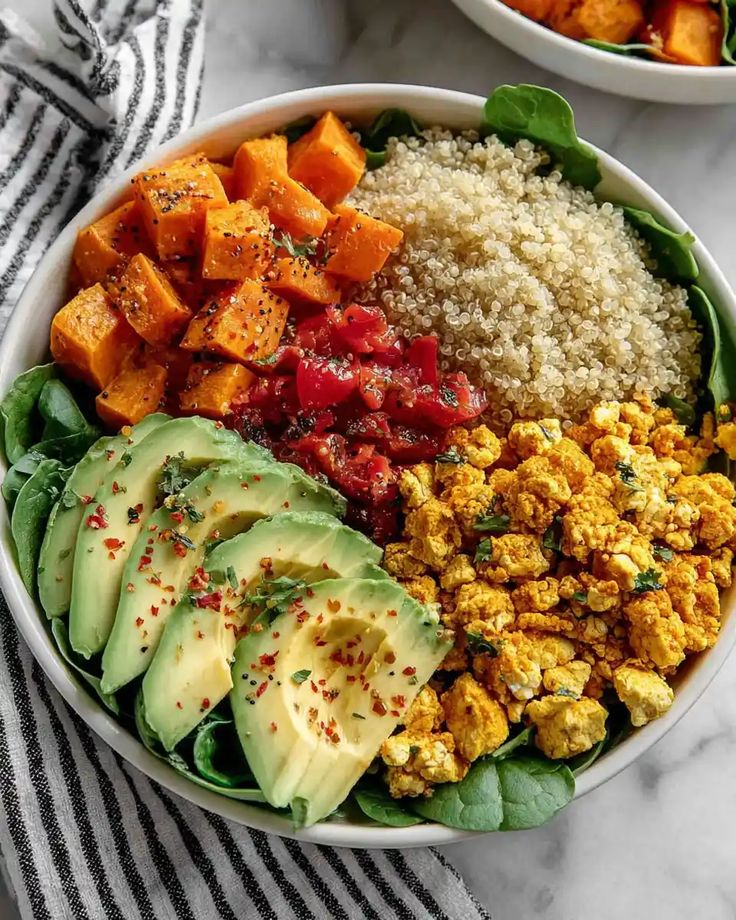
Layer cooked quinoa, roasted sweet potato, sautéed greens, and crumbled tofu or tempeh for a hearty breakfast bowl.
Add avocado, pumpkin seeds, and tahini-lemon dressing for more protein and healthy fats.
In a hurry? Prep overnight oats with soy or pea milk, stir in plant protein powder, nut butter, and toss in berries.
Legume-Based Breakfasts: Beans, Lentils, and More
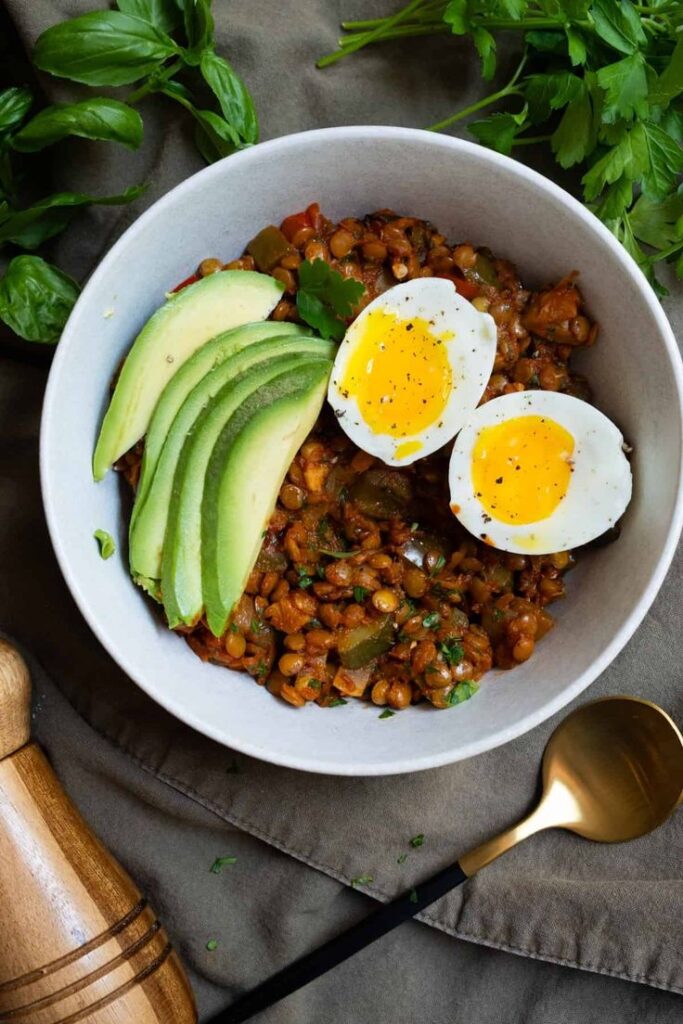

Beans and lentils bring fiber and 8–18 grams of protein per serving.
Try black bean breakfast tacos or a quesadilla stuffed with seasoned black beans, sautéed peppers, and dairy-free cheese on a whole-grain tortilla.
Add salsa and avocado for extra flavor and nutrients.
Make a savory lentil hash by cooking lentils with diced potato, onion, and cumin.
Top it with hummus or tahini for more protein and creaminess.
If you need a grab-and-go option, mash chickpeas with lemon and spices and spread on toast, or stir canned beans into a warm quinoa bowl for a fast protein boost.
Sweet and Savory Bowls & Toasts
Build breakfasts that actually taste good and pack in protein—takes just minutes.
Use Greek yogurt, protein powder, or nut butter, and pair toasts with eggs or cottage cheese if you want to stay full longer.
Smoothie Bowls and Protein-Packed Smoothies
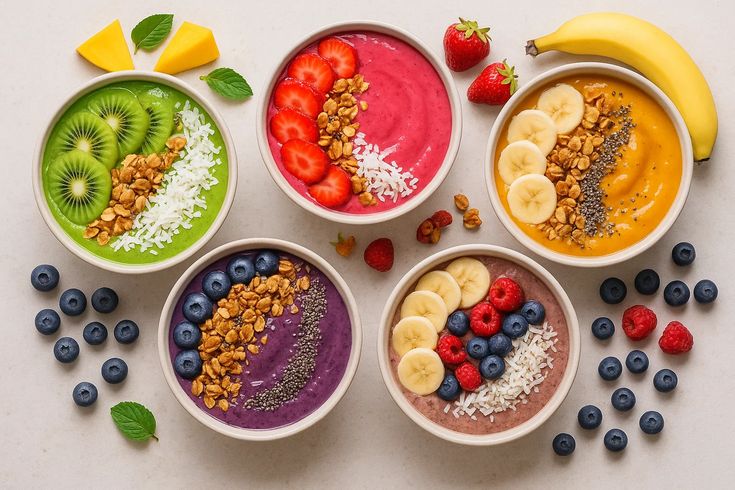
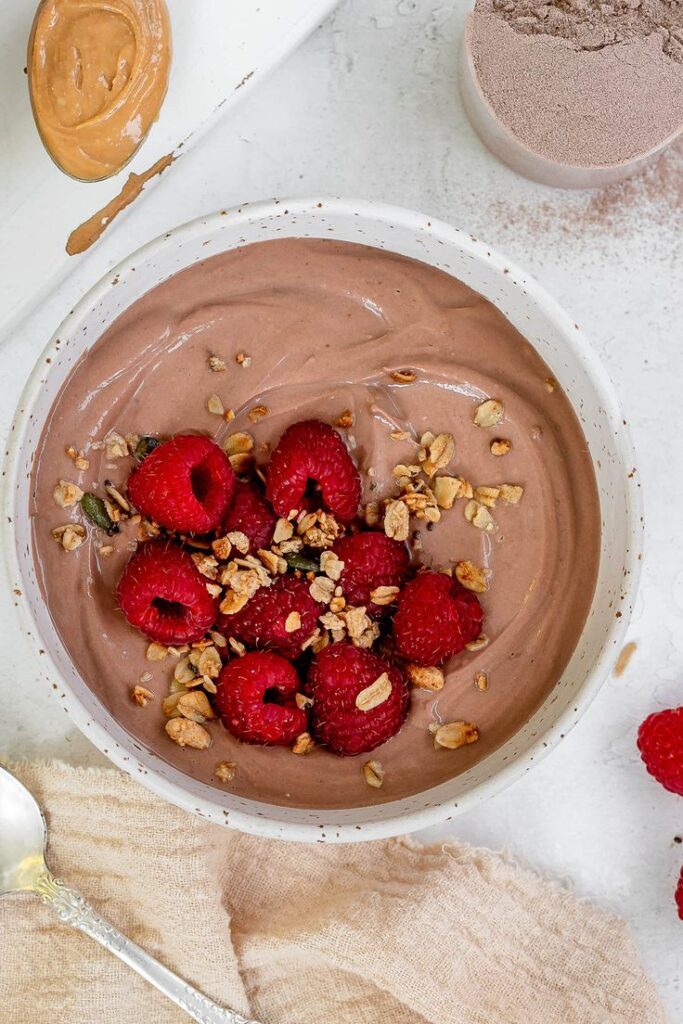
Blend frozen fruit, Greek yogurt or protein powder, and a splash of milk until it’s thick enough for a spoon to stand up.
Top with seeds, sliced fruit, and a handful of granola for crunch.
For a peanut butter banana smoothie, blend a banana, 1–2 tablespoons peanut butter, a scoop of vanilla protein powder, and a cup of milk or milk alternative.
This combo gives you protein, healthy fats, and carbs to keep you going.
Use high-protein bases like Greek yogurt, cottage cheese, silken tofu, or whey/plant protein.
Want it creamier or more filling? Toss in avocado or oats.
Roughly 20–30 grams of protein per serving works for most adults.
Freeze portions or pre-pack toppings if you want to save time in the morning.
Avocado Toasts and Cottage Cheese Bowls

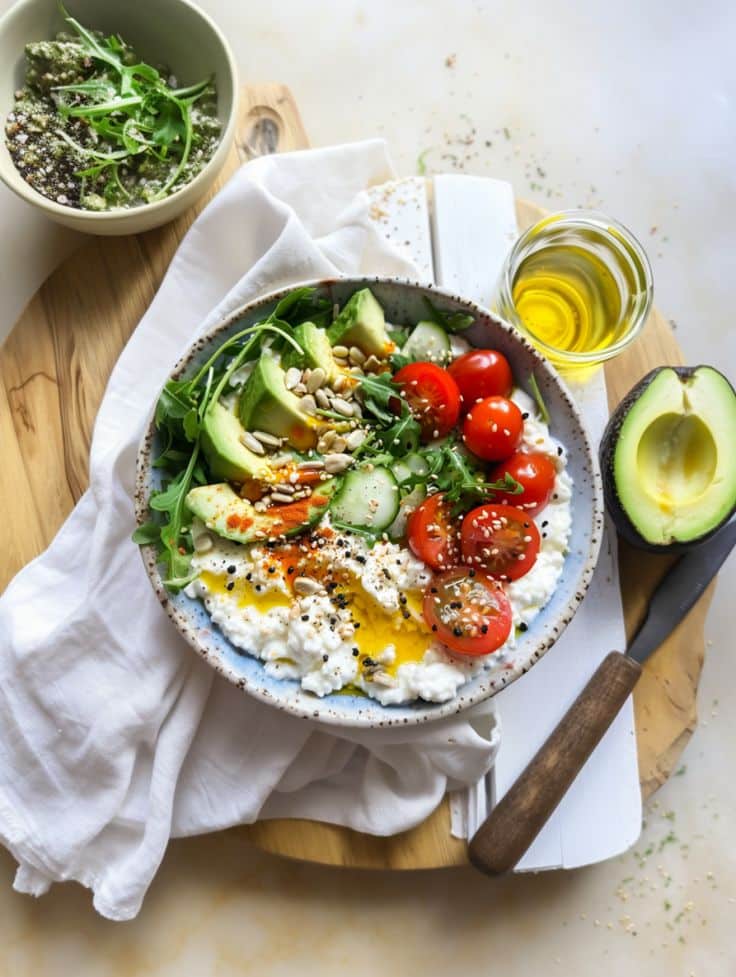
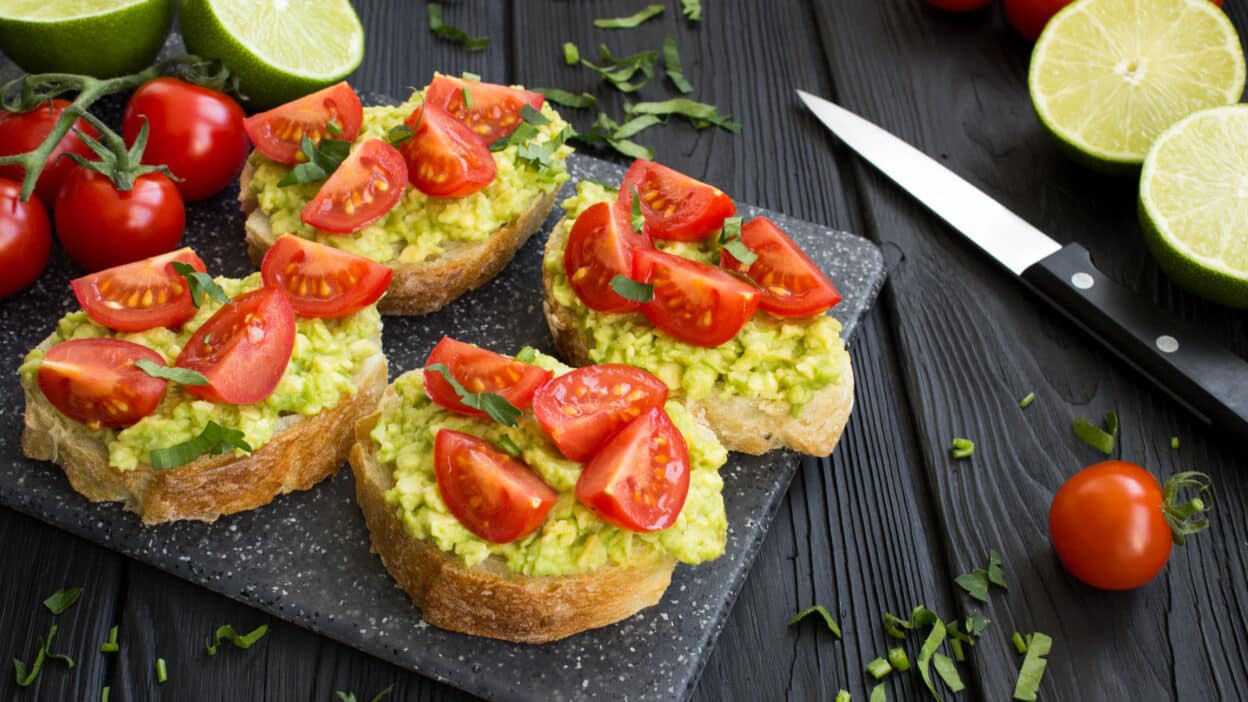
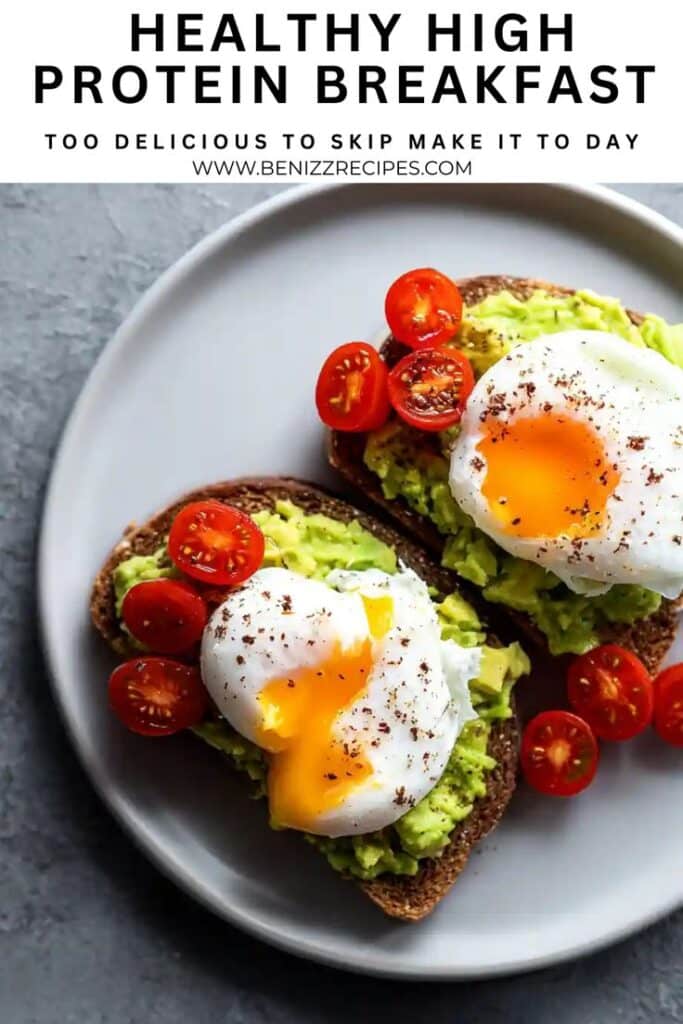
Top whole-grain toast with mashed avocado, a sprinkle of salt, and a poached egg.
You’ll get 12–18 grams of protein, depending on the egg.
Add smoked salmon, cottage cheese, or beans for even more protein.
For a savory cottage cheese bowl, stir a cup of cottage cheese with chopped tomato, cucumber, herbs, and a drizzle of olive oil.
That’s about 15–20 grams of protein and a fresh, savory vibe.
If you’ve got a sweet tooth, mix cottage cheese with sliced fruit and a teaspoon of nut butter.
Swap in seeded or sprouted bread to up the fiber and nutrients.
Creative Breakfast Inspirations for 2026
Try new combos that pack protein, fiber, and easy prep into your morning. Some ideas use eggs, yogurt, tofu, or even swaps like cauliflower crusts and pumpkin purée for extra nutrition.
Breakfast Pizza and Unique Ideas


Treat breakfast pizza as a fast, high-protein meal you can totally make your own.
Start with a whole-grain or cauliflower crust. Spread ricotta or Greek yogurt, then add spinach, cherry tomatoes, and smoked salmon or cooked turkey sausage.
Top with two scrambled or poached eggs and a sprinkle of feta or parmesan. Bake until the edges get crispy.
For a super quick version, use an English muffin or high-protein flatbread.
Layer on hummus, spinach, shredded chicken, and a fried egg.
You get protein from the eggs and meat, plus fiber from the grains and veggies.
Switch up the toppings each week if you get bored easily. Why not?
Seasonal and Trending High-Protein Favorites
Seasonal trends like pumpkin spice can actually work with protein, not just sugar bombs. Try blending canned pumpkin, Greek yogurt, milk (or plant milk), a scoop of vanilla protein powder, cinnamon, and a pinch of nutmeg.
That combo makes a pumpkin spice smoothie with 20–30g of protein, depending on your powder. I like to toss in chia seeds for a bit more fiber and a fun texture.
On the savory side, huevos rancheros are a solid seasonal pick. Layer black beans, two fried eggs, salsa, and avocado on a corn tortilla.
Want to bump up the protein? Swap in crumbled tempeh or shredded chicken. A sprinkle of cilantro and a squeeze of lime on top really brings it together.
FAQ
Why is it beneficial to include protein in your breakfast?
Including protein in your breakfast supports muscle maintenance, keeps hunger in check, and helps stabilize blood sugar levels throughout the day.
What are some easy high-protein breakfast options?
Easy high-protein breakfast options include Greek yogurt parfaits, protein pancakes, egg-based meals like omelets and scrambles, tofu scramble, and grab-and-go options like overnight oats and breakfast sandwiches.
How much protein should I aim for at breakfast?
Most adults should aim for about 15 to 35 grams of protein at breakfast to support satiety and meet daily protein needs, especially if you’re active or older.
What are good plant-based sources of protein for breakfast?
Good plant-based protein sources include tofu, tempeh, beans, lentils, quinoa, nuts, seeds, and plant-based protein powders.
How can I build a balanced high-protein breakfast meal?
Combine a high-quality protein source with smart carbs like whole grains, fiber-rich fruits, and healthy fats such as nuts, seeds, or avocado to create a balanced, satisfying breakfast.