

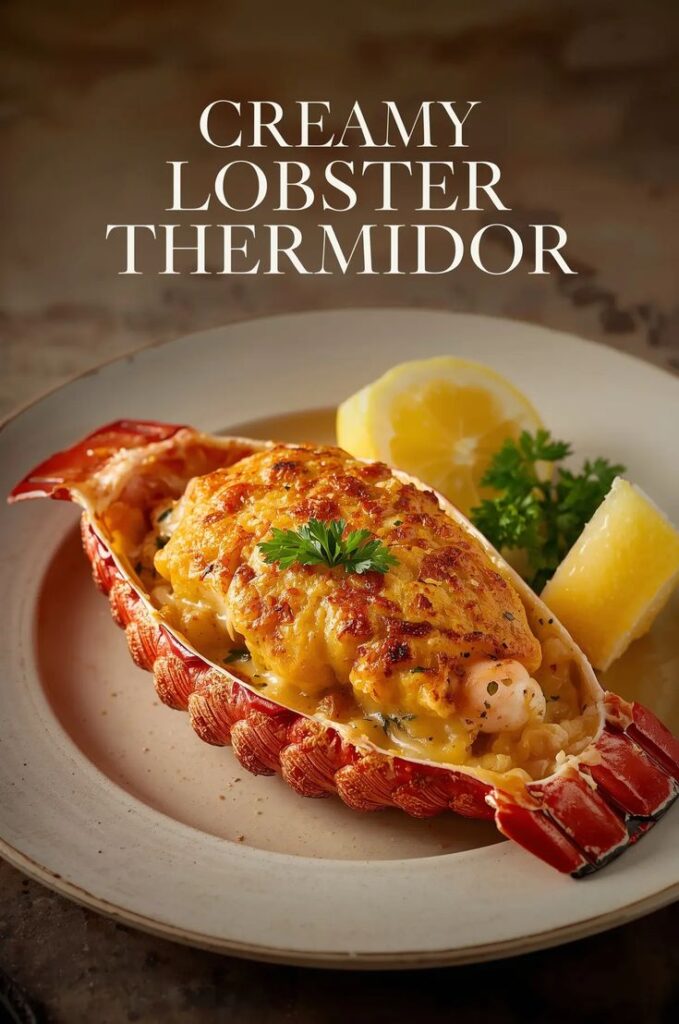
You can make a restaurant-quality Creamy Lobster Thermidor at home with just a few steps and the right ingredients. This rich French lobster recipe pairs tender lobster meat with a Cognac‑kissed, cheesy cream sauce, stuffed back into the shells and baked until golden. The result? An elegant, crowd‑pleasing meal that doesn’t have to be mysterious or intimidating.
You’ll see which ingredients matter, how to prep and cook the lobster, how to build the silky Thermidor sauce, and how to finish and serve the dish so it really shines. There are also tips for variations, storing, and reheating so you can keep leftovers tasting great.
What Is Creamy Lobster Thermidor?
Creamy Lobster Thermidor is a classic French dish with cooked lobster meat, a thick cheesy sauce, and a browned top. You get tender lobster pieces, a savory cream-based sauce, and a broiled cheese crust, usually served in split lobster shells or baking dishes.
Key Features of the Dish
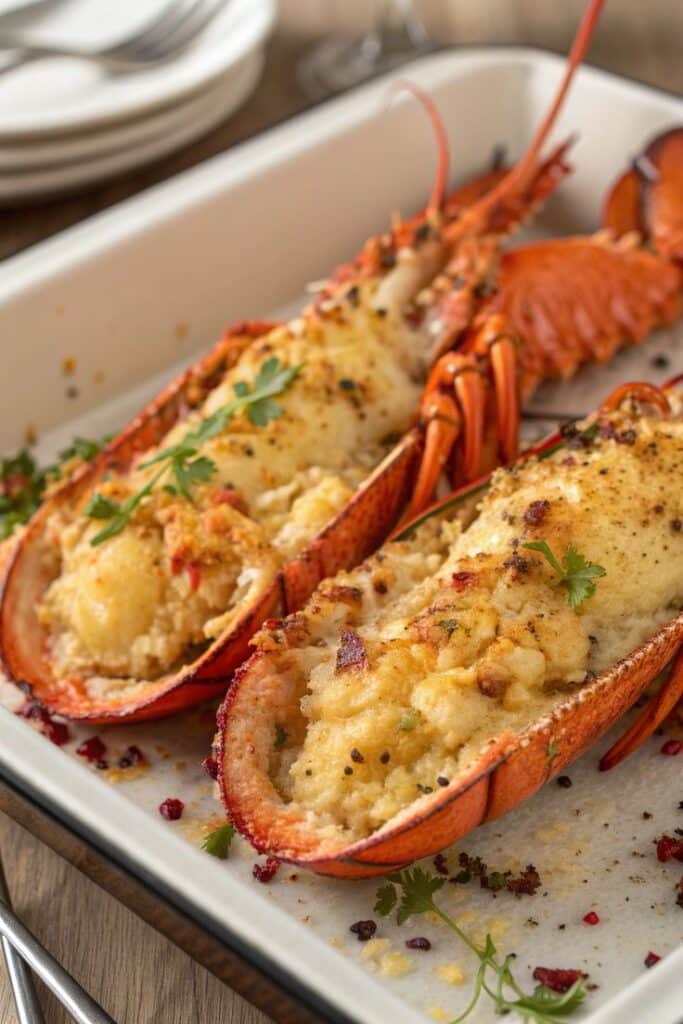
Lobster Thermidor centers on cooked lobster meat in a roux-thickened sauce that blends stock and cream. The sauce usually includes mustard and melted Gruyère or similar cheese, which brings a savory, slightly nutty flavor.
You’ll often find a splash of brandy or cognac for depth. Cheese gets stirred into the sauce and sprinkled on top before broiling to create that golden gratinée. Many recipes use lobster or shellfish stock to boost seafood flavor, and a bit of fresh tarragon or parsley adds a bright herbal note. Serving in the halved shells looks classic and feels a little fancy.
Origins and Cultural Significance
Thermidor started in France in the late 19th century, named after a month in the French Revolutionary calendar. It became a staple of French haute cuisine and later spread to other countries as a showy restaurant dish.
The recipe sits at the intersection of French techniques—roux-based sauces, gratinée finishes, and shellfish stocks. For most of us, Thermidor is a special-occasion meal. It highlights lobster’s sweet meat and layers in richer French flavors like mustard, Gruyère, and brandy. The dish shows how French cooks combine cream and cheese with seafood to make something truly luxurious.
Essential Ingredients for Creamy Lobster Thermidor

This dish centers on tender lobster meat, a rich cheese topping, and a smooth, tangy sauce. Go for the best lobster you can find, pick cheeses that melt well, and don’t skip the flavor enhancers that keep the sauce silky and balanced.
Lobster: Fresh vs. Frozen


You can use fresh whole lobsters or frozen lobster tails, depending on your time and budget. Fresh cooked lobster gives you firmer, sweeter meat—ideal if you can steam or boil whole 1.25–1.5 lb lobsters and remove the meat from tails and claws.
Frozen lobster tails or pre-cooked lobster meat work fine if you’re short on time. Thaw in the fridge overnight, then pat dry so the sauce doesn’t get watery. Use about 1 to 1.5 cups of cooked lobster meat for every two servings.
If you use frozen pre-cooked meat, check for extra salt or brine; rinse lightly and taste before seasoning. Save the shells if you want to bake the Thermidor in them for presentation.
Cheese Choices: Gruyère and Substitutes
Gruyère gives a nutty, meltable topping that browns nicely under a broiler. Use about 3/4 to 1 cup grated Gruyère for a classic finish. It adds flavor without overpowering the lobster.
If you can’t find Gruyère, try young cheddar for a melt and Parmesan for a salty bite. Combine 1/2 cup shredded young cheddar with 1/4 cup finely grated Parmesan to get close to the right texture and tang. Avoid processed cheeses—they can get oily and weird.
Sprinkle a little extra Parmesan (1–2 tablespoons) into the sauce for savory depth. Freshly grated cheese melts and tastes better, honestly.
Additional Flavor Enhancers
The sauce base usually calls for heavy cream, Dijon mustard, and a spirit like brandy or dry white wine. Use 1 cup heavy cream, 1 tablespoon Dijon, and 1/4 cup cognac or dry white wine (Chardonnay or Sauvignon Blanc both work). Chardonnay brings a round, buttery note; Sauvignon Blanc gives a brighter, herbal lift.
Sautéed shallots and chopped mushrooms (about 1/2 cup each) add texture and umami. Temper 2 egg yolks with hot cream to thicken the sauce without curdling. Finish with salt, black pepper, and a tablespoon of grated Parmesan for balance.
Garnish with chopped parsley and a sprinkle of extra Gruyère or Parmesan before broiling for that golden top.
Preparing the Lobster
You’ll cook the lobster, remove the meat, and keep the shells for stuffing. Focus on timing, safety, and clean cuts—no one wants rubbery lobster or jagged shells.
Cooking and Cleaning Lobster
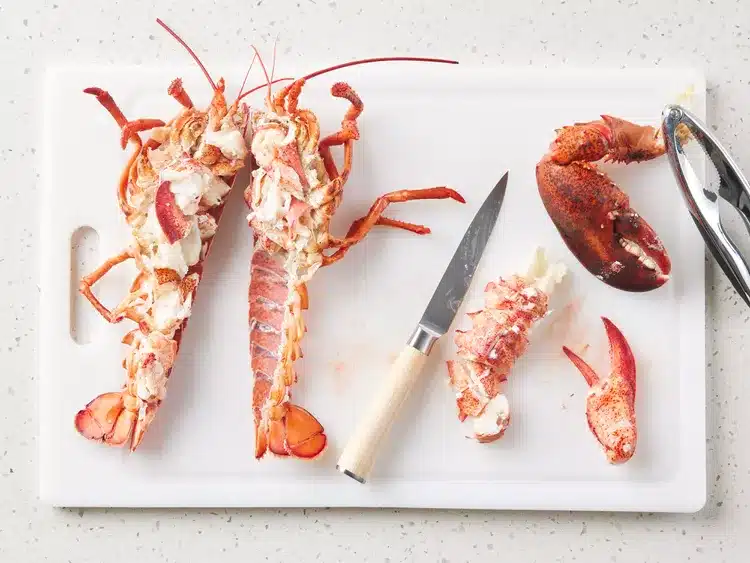
Bring a big pot of salted water to a rolling boil. Use about 2 tablespoons of salt per quart. Add whole lobsters headfirst to the pot to reduce movement, and boil 8–12 minutes for 1¼–1½ lb lobsters until the shell turns bright red.
After boiling, move the lobsters to an ice bath for 3–5 minutes to stop cooking. This keeps the meat firm and easy to handle. Rinse under cold water and drain well before you start cutting.
Work on a sturdy board and use kitchen shears or a chef’s knife. Wipe tools and your hands often. Keep the cooking time accurate—overcooked lobster gets rubbery fast.
Extracting and Chopping the Meat
Twist and pull to separate the tail from the body. Crack the tail shell with the back of a knife or shell cracker and push the meat out in one piece. Remove the claws and use a nutcracker or mallet to free the knuckle meat.
Pick out the body’s smaller pieces and the thin leg meat with a small fork. Check for the dark vein along the tail and remove it if you spot it. Toss the stomach sac and any green tomalley if you’d rather not use them.
Cut large chunks into 1/2–1-inch pieces for the sauce and small dice for stuffing. Keep some larger pieces for presentation on top. Chill the meat briefly if you’re not assembling right away.
Handling Lobster Shells
Rinse the emptied shells gently to remove loose bits and juice. Use a spoon to scrape the shell cavity clean, but leave it intact for stuffing. If the shell edges are sharp after cutting, trim them slightly for safer handling.
Dry the shells on a towel and place them on a baking sheet to keep them stable. If you want a brighter color, parboil the shells for 1 minute, then dry them again. Line the shells on the baking sheet so the sauce and cheese sit in the cavity without spilling.
Store cleaned shells in the fridge up to a day before stuffing. For longer storage, wrap and freeze; thaw in the fridge before assembly.
Making the Creamy Thermidor Sauce
You’ll build a rich, smooth sauce that clings to lobster meat and browns under the broiler. Focus on a stable cream base, a bit of acid from wine, and strong lobster flavor from stock.
Thermidor Sauce Base
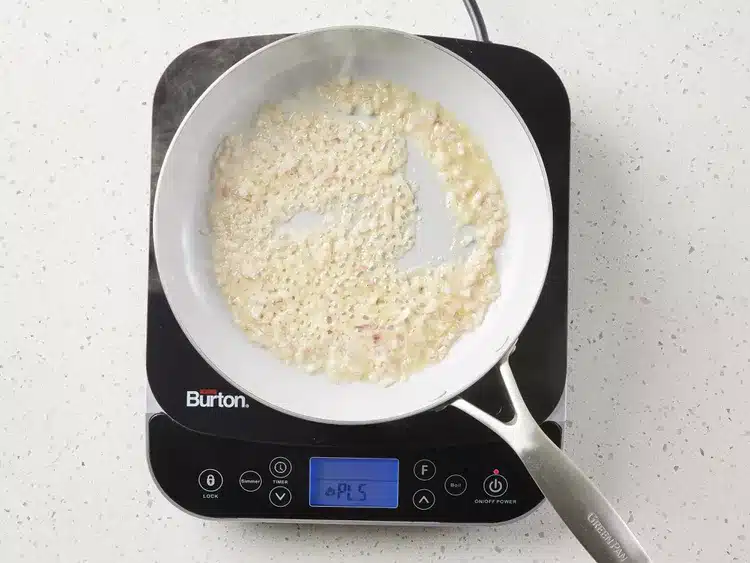
Start with a warm, thick base so the sauce coats the lobster without separating. Use about 1 cup of heavy cream and reduce it gently until it thickens enough to coat a spoon. Whisk constantly and keep the heat low—no one wants broken sauce.
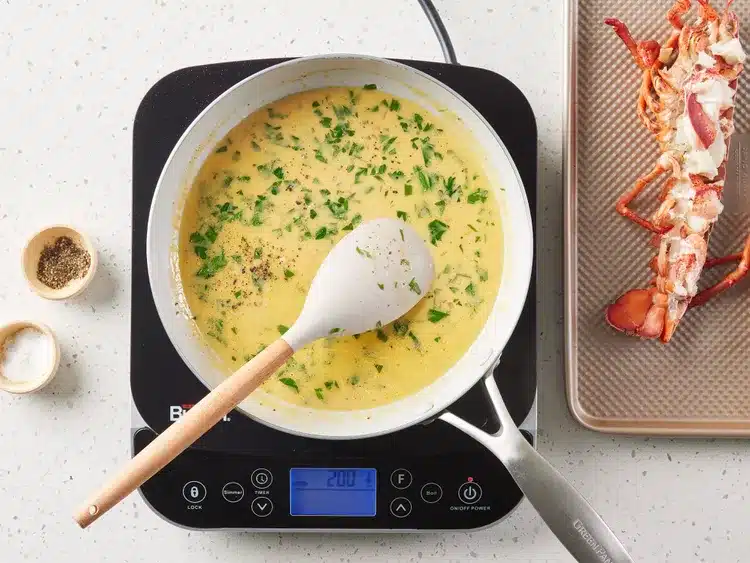
If you want extra body, whisk in one or two egg yolks off the heat. Temper the yolks by adding a few spoonfuls of hot cream first, then stir them back into the pot. Season with salt, white pepper, and a pinch of nutmeg for classic Thermidor flavor.
Finish with a tablespoon of Dijon mustard for tang and stability. Add grated Gruyère or Parmesan at the end for silkiness and a golden crust after broiling.
Béchamel and Other Cream Sauces
Béchamel gives a stable, milky backbone that handles baking well. Make a roux with equal parts butter and flour (2 tbsp each for one cup of sauce). Cook the roux 1–2 minutes, then whisk in warm milk or a 50/50 mix of milk and cream until smooth.
For more lobster flavor, swap in some lobster stock or homemade lobster stock. Use 1/3 stock to 2/3 dairy for a noticeable shellfish taste without losing creaminess. If you want a lighter sauce, use mostly stock with a splash of cream to finish.
If you skip béchamel, you can thicken reduced cream with a small slurry of cornstarch and water. Work quickly and strain if needed to keep the sauce silky.
Incorporating Aromatics and Wine
Aromatics bring depth and balance to the rich sauce. Start by gently sweating finely chopped shallot or onion in butter until soft but not brown. Add minced garlic in the last 30 seconds to avoid bitterness.
Deglaze the pan with about 1/4 to 1/3 cup dry white wine (Sauvignon Blanc or Pinot Grigio works well). Let the wine reduce by half to concentrate the flavor and remove raw alcohol. Then add a splash (2–3 tablespoons) of lobster stock for extra umami.
Stir the reduced wine and stock into your cream or béchamel base. Taste and add lemon juice or a bit more mustard if the sauce needs brightness. Finish with chopped fresh parsley or tarragon for a clean, herbal note.
Stuffing and Baking the Lobster
You’ll fill the cleaned lobster shells with the prepared lobster meat and sauce, then bake until the filling is hot and the shell edges are slightly browned. Go for even filling, a moist interior, and a crisp, golden top.
Stuffing the Shells
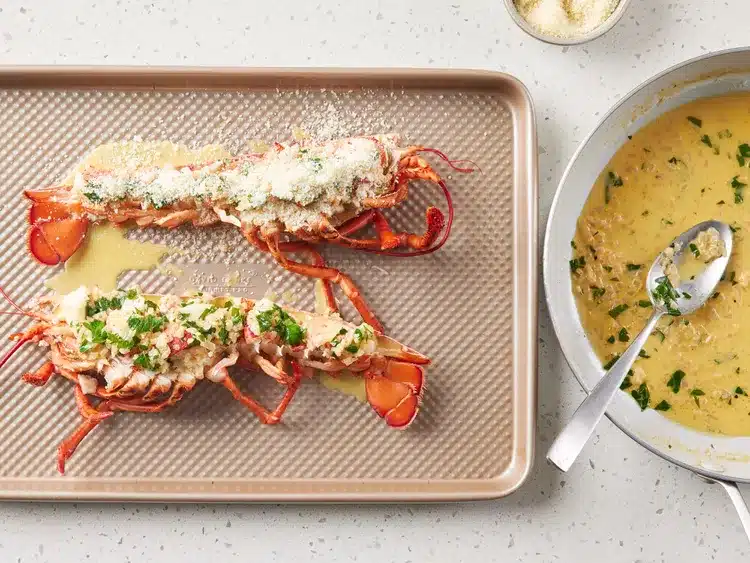
Check each lobster shell for any leftover bits and rinse gently. Pat the shells dry so the stuffing stays put and doesn’t slide out during baking.
Spoon the lobster meat mixed with the cream sauce into the tail and claw cavities. Pack the filling loosely—don’t overcrowd or it won’t heat evenly. Leave about 1/8–1/4 inch of space at the top so the sauce can bubble without spilling.
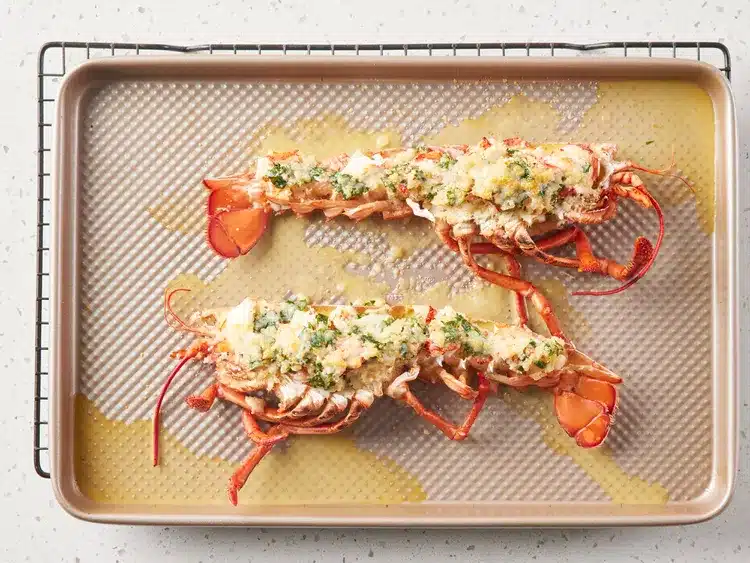
Brush exposed meat and shell rims with melted butter for flavor and browning. Arrange shells on a rimmed baking sheet or in a baking dish so they sit level; tilt them slightly forward if needed to keep the filling visible and even.
Creating a Golden Cheese Crust

Sprinkle an even layer of grated Parmesan or a 50/50 blend of Parmesan and Gruyère over the stuffed lobster shells. Use about 1–2 tablespoons per half-lobster, but really, just do what looks good to you.
Set your oven to broil or to 425°F (220°C) for baking. If baking, cook 12–20 minutes, depending on lobster size—smaller halves finish sooner. For a crisp top, broil 1–3 minutes at the end, watching closely so it doesn’t burn.
Let the baked lobster rest 2–3 minutes so the sauce sets a bit. Serve the stuffed lobster on warm plates, with the golden cheese crust facing up so guests see that rich, broiled color.
Serving Suggestions for Creamy Lobster Thermidor
Pair this rich lobster with bright, textured, and refreshing sides. Choose some green vegetables, a starch that soaks up sauce, and a wine that lifts the cream and cheese.
Classic Side Dishes

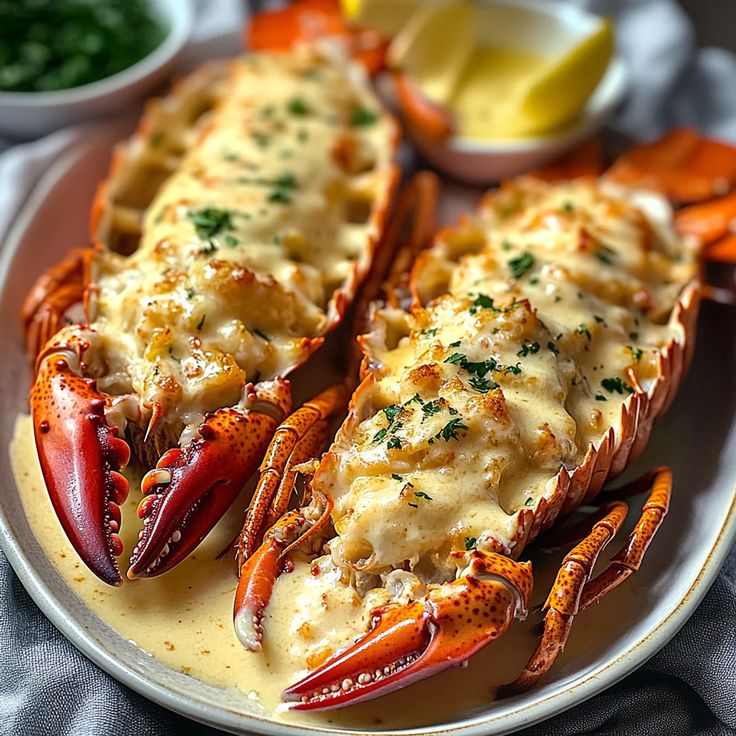
Serve Lobster Thermidor with roasted baby potatoes or garlic mashed potatoes to soak up that creamy sauce.
Roast baby potatoes at 425°F with olive oil, salt, and thyme for 25–30 minutes. They’ll come out crisp outside and soft inside.
If you want something lighter, bake asparagus spears at 400°F for 10–12 minutes.
Drizzle them with lemon and a bit of olive oil. That acidity gives your seafood a clean, bright bite.
Add a small green salad with lemon vinaigrette to balance the richness.
Use baby greens, thinly sliced cucumber, and a vinaigrette of olive oil, lemon juice, salt, and pepper. The salad keeps your palate refreshed.
Wine Pairings and Presentation
Pick a chilled Chardonnay if you want a buttery, oaked match with Gruyère and cream.
A medium-bodied, lightly oaked Chardonnay at about 50–55°F complements the sauce and doesn’t drown out the lobster.
If you’re leaning toward something brighter, go with a dry Sauvignon Blanc.
It’s got high acidity and citrus notes that really wake up the dish and cut through the cream.
Keep the plating simple. Spoon the lobster filling onto warmed plates or leave it in the shells if you want a showpiece.
Put roasted potatoes on one side, asparagus on the other. Pour wine into small glasses and enjoy those fresh aromas.
Garnishes and Final Touches
Sprinkle chopped fresh parsley on each serving for color and a little herby kick.
Add a thin lemon wedge or a few drops of lemon juice to brighten up the lobster’s sweetness.
If you like a bit of crunch, dust the top with toasted breadcrumbs and broil for a minute.
A light shake of smoked paprika brings color and a gentle smoky note. It won’t overpower the seafood.
Set out small forks and crab picks so guests can get every bit of meat.
Keep extra warmed sauce or melted butter on the side for anyone who wants it richer.
Storing and Reheating Leftovers
Store leftovers quickly in airtight containers and keep them cold.
Reheat gently so the lobster stays moist and the sauce doesn’t break.
How to Store Lobster Thermidor
Let the dish cool to room temperature within two hours.
Transfer the lobster and sauce into airtight containers. If space is tight, remove the meat from the shells—it’ll make reheating easier too.
Label the containers with the date.
Store them in the fridge at 40°F (4°C) or below. Use within 2–3 days since cream and shellfish spoil faster than most foods.
For longer storage, split portions into freezer-safe containers or sturdy freezer bags.
Wrap tightly with plastic and foil to prevent freezer burn. Freeze for up to a month, but honestly, the texture might change a bit.
Reheating for Best Results
Preheat your oven to 325–350°F (160–175°C).
Put the lobster mixture in an oven-safe dish, cover with foil, and heat for 10–20 minutes. If you removed the meat, check at 10 minutes and stir gently.
If you froze it, thaw it overnight in the fridge first.
Reheat slowly so the sauce doesn’t curdle, and the lobster stays tender.
Microwaves aren’t ideal, but if you have to, use 20–30 second bursts on low power and stir between each.
Want a browned top? Finish under the broiler for a minute or two—just watch closely so it doesn’t burn.
Variations and Tips for Success
Try these ideas to tweak the flavor, swap ingredients, or plan ahead.
Focus on cheese choices, which lobster parts you use, and how to prep or reheat without losing that good texture.
Popular Ingredient Swaps
If you can’t find Gruyère, use Fontina for meltiness or Comté for a nutty touch.
Sharp cheddar works in a pinch but changes the classic vibe. For a lighter topping, mix Gruyère (or your substitute) with Parmesan—half and half gives you browning without too much creaminess.
Use lobster tails alone to keep things simple.
Two large tails (about 1 to 1.5 lbs total) swap in for two whole lobsters. Remove the meat, chop it, and save the shells for serving. If lobster’s pricey, mix equal parts lobster and cooked shrimp or crab to stretch the dish and still keep that seafood flavor.
Swap cognac for a splash of dry white wine if you want it alcohol-free.
For a brighter sauce, stir in a teaspoon of lemon zest or Dijon mustard. Add finely chopped mushrooms or spinach for extra texture and a little bulk—they won’t overpower the lobster.
Making Ahead and Portion Adjustments
You can assemble the lobster sauce and fill the shells up to a day in advance. Just let the filled shells cool, then cover them tightly and pop them in the fridge.
When you’re ready, bake at 375°F for about 15–20 minutes. The cheese should turn golden, and everything will heat through without overcooking the lobster.
If you’re planning portions, figure on 6–8 oz of cooked lobster meat per person for a main dish. For appetizers, 3–4 oz per person usually does the trick.
Leftovers? Store them in an airtight container for up to two days. To reheat, use a 325°F oven and cover with foil—this helps keep the sauce creamy.
Skip microwaving whole shells. Trust me, it just makes the lobster rubbery, and nobody wants that.
FAQ
What are the best ways to reheat leftover Lobster Thermidor without compromising its texture?
Reheat leftovers in an oven at 325–350°F, covered with foil, for 10–20 minutes to keep the lobster moist and the sauce from breaking. Avoid microwaving full shells to prevent rubbery lobster.
How is the Thermidor sauce made, and what ingredients are essential?
The sauce is built with heavy cream, Dijon mustard, and a splash of cognac or white wine. Aromatics like shallots or mushrooms, lobster stock, and cheese are added for flavor and richness.
What cheese is best for Lobster Thermidor, and what are some substitutes?
Gruyère is the traditional choice for a nutty, meltable topping. If unavailable, try young cheddar or Parmesan, or a mix of cheddar and Parmesan, to replicate that savory, bubbly crust.
How do I choose between fresh and frozen lobster for this dish?
Fresh lobster provides firmer, sweeter meat ideal for a luxurious feel, but frozen lobster tails or pre-cooked meat work well if you’re short on time. Just thaw frozen lobster, and pat dry before using.
What is Creamy Lobster Thermidor, and what makes it special?
Creamy Lobster Thermidor is a classic French dish featuring cooked lobster meat in a rich, cheesy sauce, topped with a browned crust, and typically served in lobster shells or baking dishes.