


Making pizza at home can be simple and fun, and it allows people to customize every part to their taste. From dough to sauce, cheese, and toppings, homemade pizza lets cooks create something fresh and delicious without relying on takeout.
The key to great homemade pizza is learning how to make the crust, prepare the sauce, and pick toppings that work well together. With the right tips, anyone can bake a pizza that rivals their favorite pizzeria.
Trying different recipes encourages creativity in the kitchen and offers a chance to enjoy a meal made just the way they like. Whether it’s a classic cheese pizza or something with unique toppings, homemade options give more control over flavor and ingredients.
Essential Ingredients for Homemade Pizza
Making a great pizza starts with picking the right ingredients. The type of flour, fresh toppings, and sauce all affect how the pizza tastes and feels. Each part plays a role in creating the perfect balance between crust, flavor, and texture.
Choosing the Right Flour
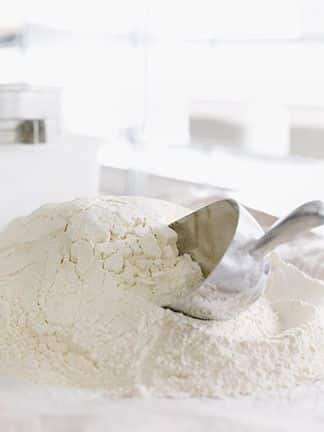
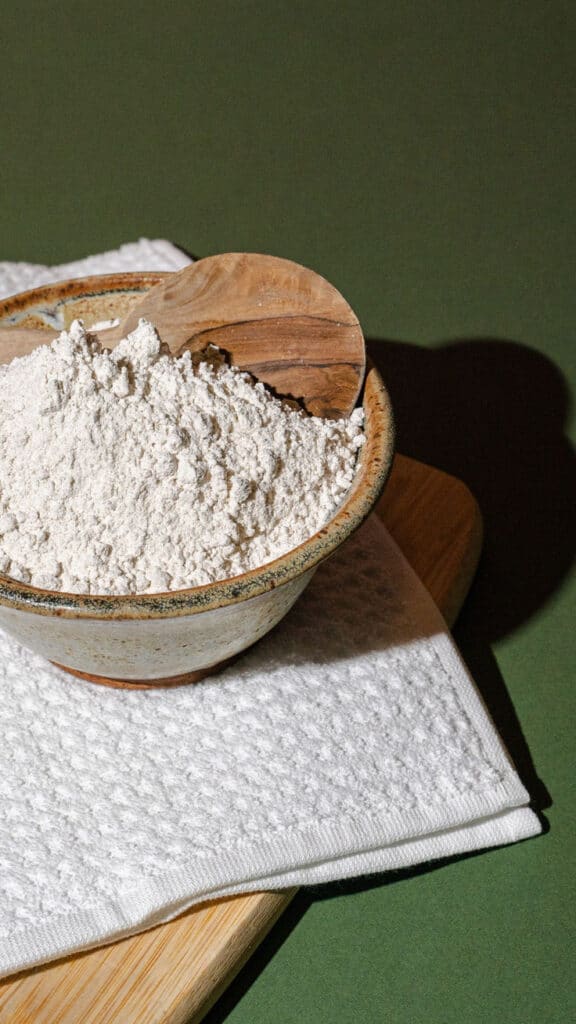
The flour used for pizza dough affects the crust’s texture. All-purpose flour is common and easy to find. It creates a crust that is soft but slightly chewy.
People who want a crispier or airier crust often use bread flour. Bread flour has more protein, which helps develop gluten and gives the dough stretch and strength.
Some prefer 00 flour, an Italian-style flour. It’s finely ground and makes a very soft, tender crust with a slightly chewy bite. This flour is popular for Neapolitan-style pizzas.
The key is matching the flour to the pizza style and texture desired.
Selecting Fresh Pizza Toppings
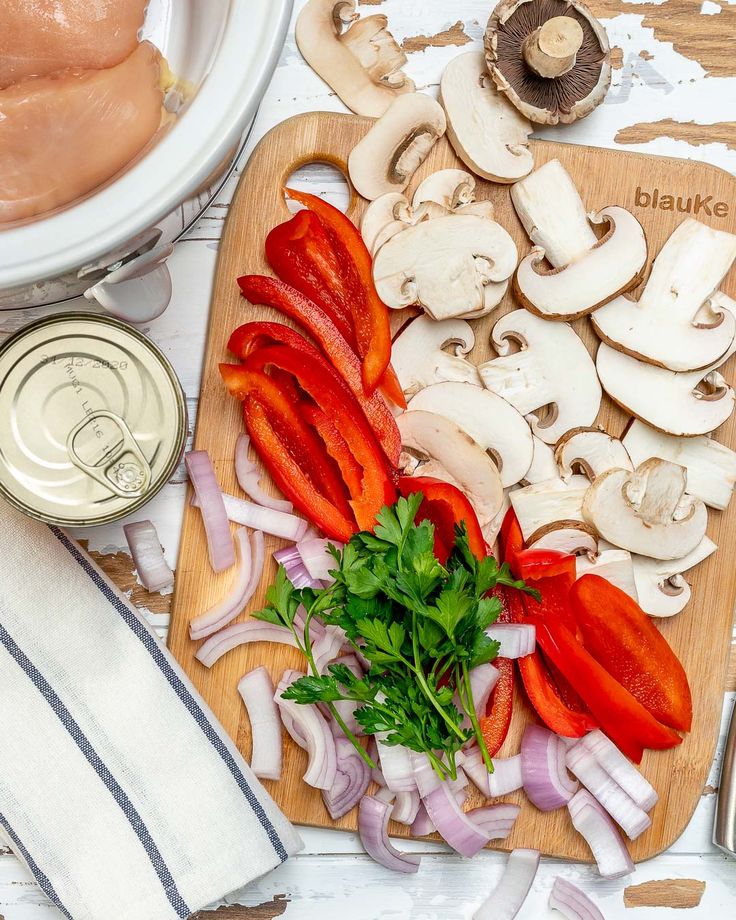
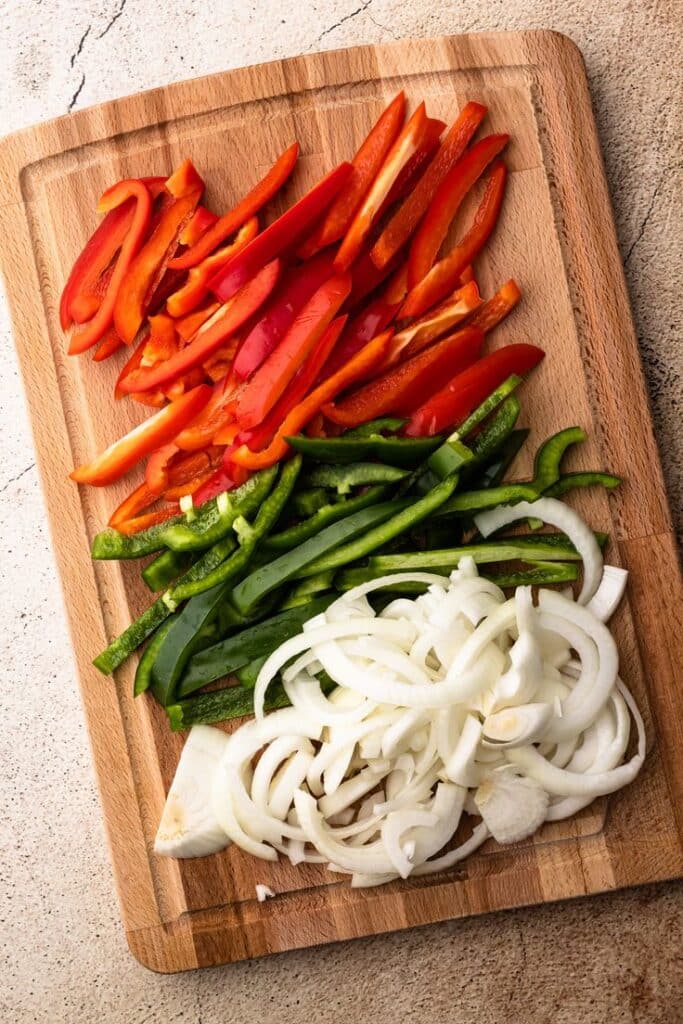
Using fresh toppings boosts flavor without weighing down the pizza. For vegetables, things like sliced bell peppers, onions, mushrooms, and fresh tomatoes add color and taste.
Meats should be cooked beforehand if they need a longer cooking time. Pepperoni, sausage, and ham are common favorites.
Cheese is essential. Mozzarella is the classic choice for melt and stretch. But mixing in provolone or parmesan can add depth.
Using fresh herbs like basil or oregano at the end brightens the pizza.
Homemade Pizza Sauce Options

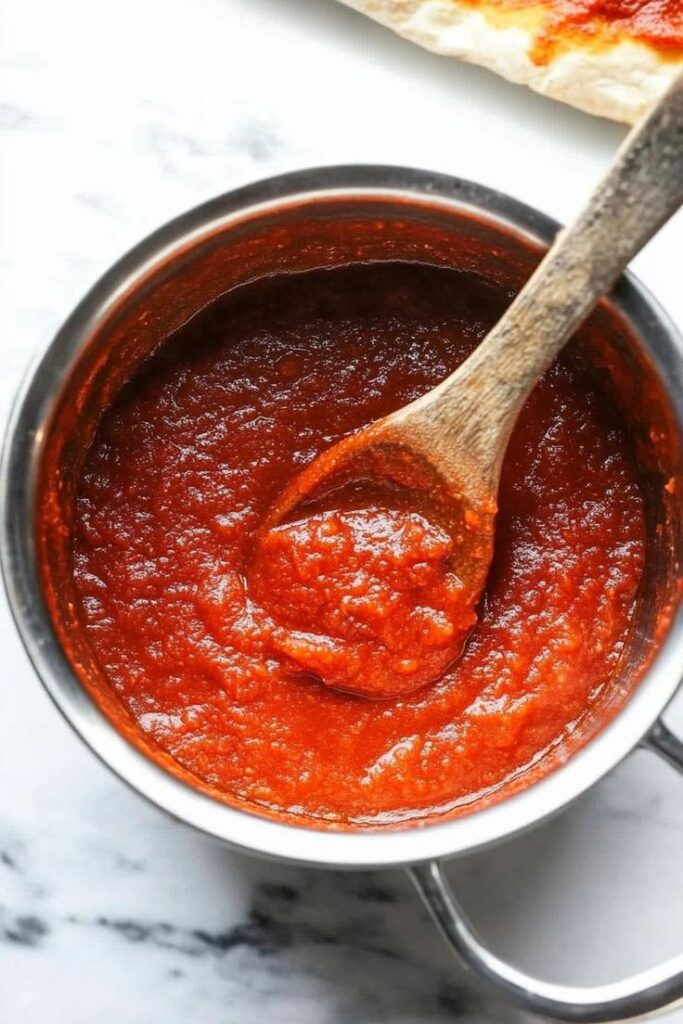
The sauce sets the flavor base. A simple sauce starts with crushed canned tomatoes, a bit of salt, and olive oil. Fresh garlic and dried oregano can add an Italian touch.
Some use a cooked tomato sauce to deepen flavor. Simmering tomatoes with garlic and herbs brings out sweetness.
For a faster option, blending fresh tomatoes with salt and olive oil creates a bright, fresh-tasting sauce.
Alternatively, white sauces or pesto can be used for different flavor profiles. Each sauce type changes the pizza’s character.
Step-by-Step Homemade Pizza Dough
Making pizza dough at home involves mixing the right ingredients, letting the dough rise properly, and sometimes using alternatives for special diets. Following a good recipe and some simple tips helps get a crispy, chewy crust every time.
Classic Pizza Dough Recipe
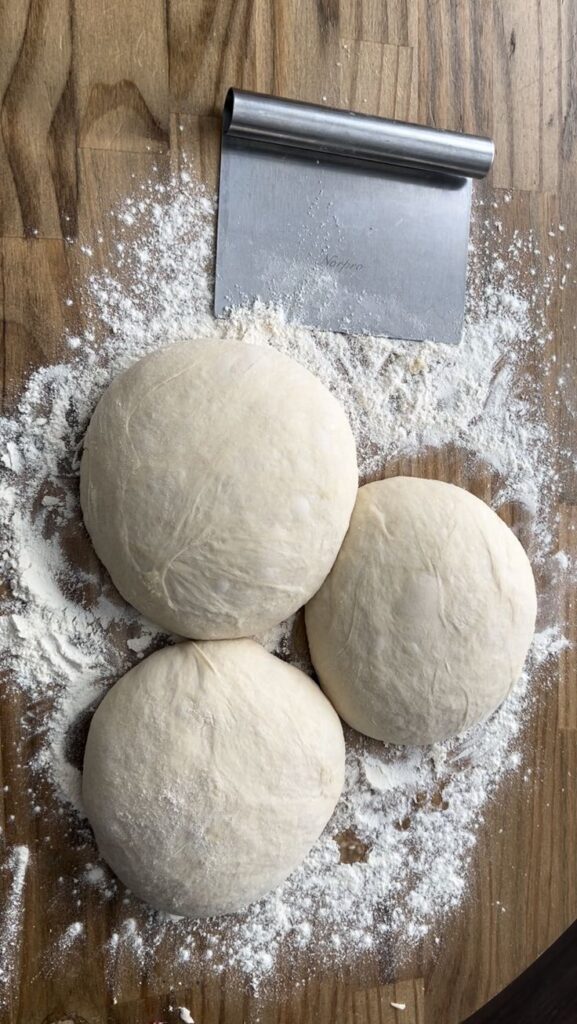
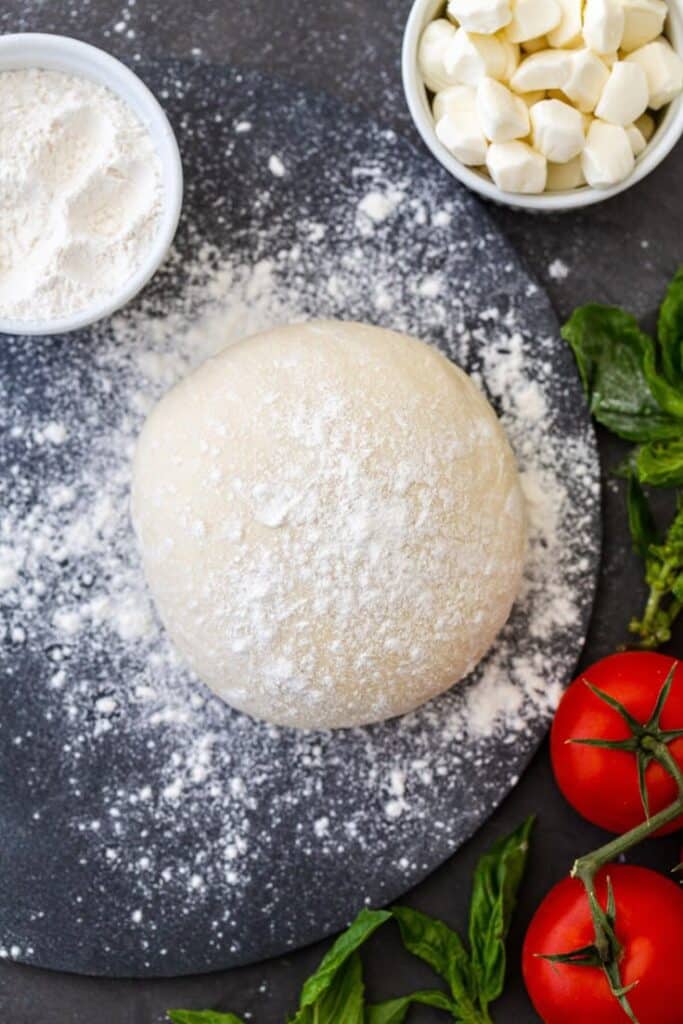
The classic pizza dough needs just a few basic ingredients: flour, yeast, water, salt, sugar, and oil. First, the yeast is mixed with warm water and a pinch of sugar to activate it. After it bubbles up, the flour, salt, and oil are combined with the yeast mixture to form the dough.
Kneading the dough for about 8–10 minutes makes it smooth and elastic. Then, the dough should rest in a warm spot for 1 to 2 hours until it doubles in size. This rising time creates air bubbles, making the crust light and chewy. After rising, the dough is stretched or rolled out before adding toppings.
Gluten-Free Dough Alternatives
For gluten-free pizza, the dough must use different flours like rice flour, almond flour, or a gluten-free all-purpose mix. These flours don’t behave like wheat flour, so a binder like xanthan gum or psyllium husk is often added to help hold the dough together.
The liquid amount might also change because gluten-free flours absorb moisture differently. The dough can be sticky, so working with oiled hands or using parchment paper helps prevent sticking. Letting gluten-free dough rest for 30–60 minutes improves texture before shaping and baking.
Tips for Perfect Dough Rise
Temperature and timing are key for a good dough rise. Yeast works best between 75°F and 85°F. If a room is too cold, dough rising can take longer or stop. Placing the dough in a slightly warm oven or near a warm appliance can help.
Covering the dough with a clean cloth prevents it from drying out while rising. Avoid over-proofing; if it rises too much, the dough may collapse when baked. A good sign is when the dough doubles in size and springs back lightly when poked with a finger.
Creative Homemade Pizza Recipes
Homemade pizza can be both simple and adventurous. Using fresh ingredients and thoughtful combinations can turn an ordinary pie into a tasty meal everyone enjoys. From classic recipes to new flavors, there are many ways to make pizza exciting.
Margherita Pizza

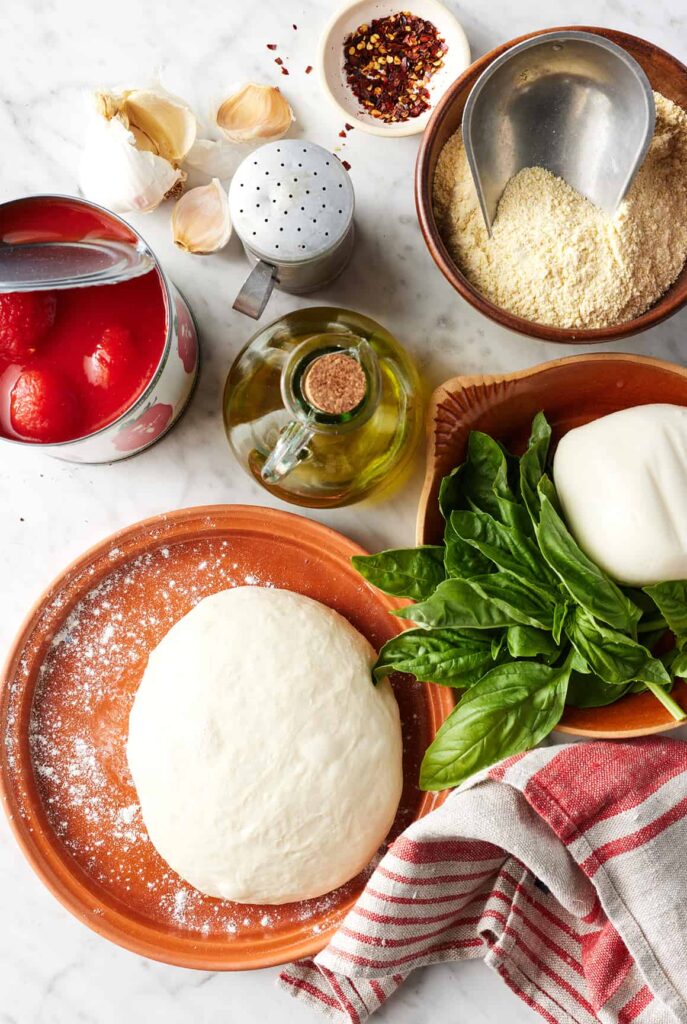
Margherita pizza is a classic that focuses on fresh, simple ingredients. It usually has a thin crust topped with tomato sauce, fresh mozzarella, and basil leaves.
The secret to a great Margherita is using ripe tomatoes or a quality sauce. Fresh mozzarella melts beautifully and adds creaminess, while basil gives a bright, herbal note.
To make it at home, stretch the dough thin and bake it hot for a crisp, slightly charred crust. Drizzle with olive oil at the end for extra flavor. It’s a light but satisfying pizza perfect for any day.
Pepperoni Lovers’ Pizza
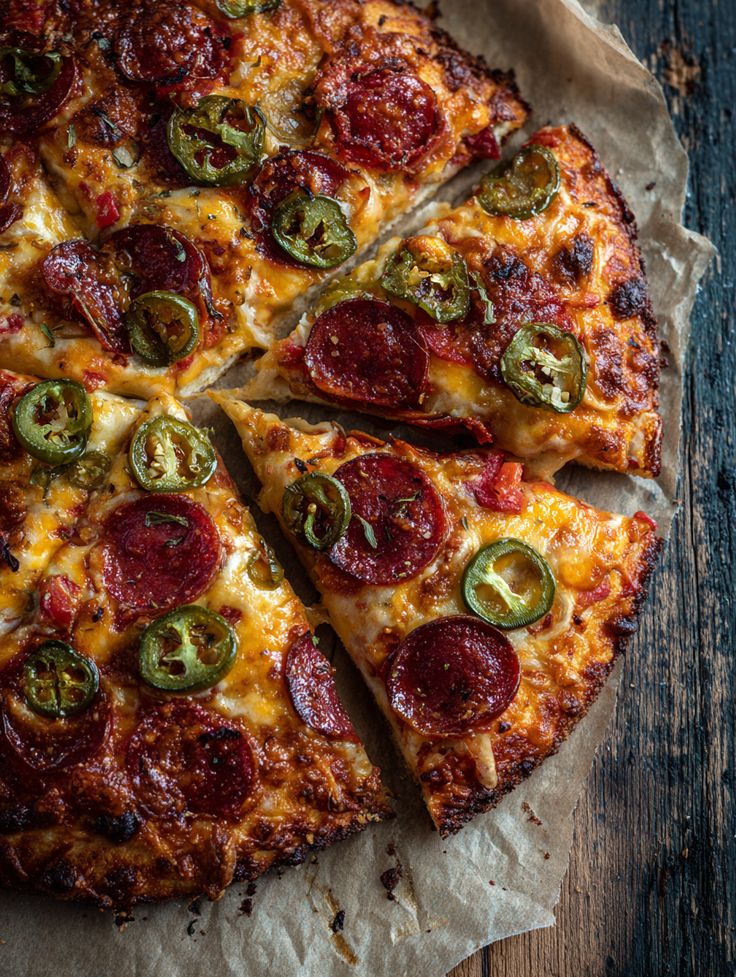
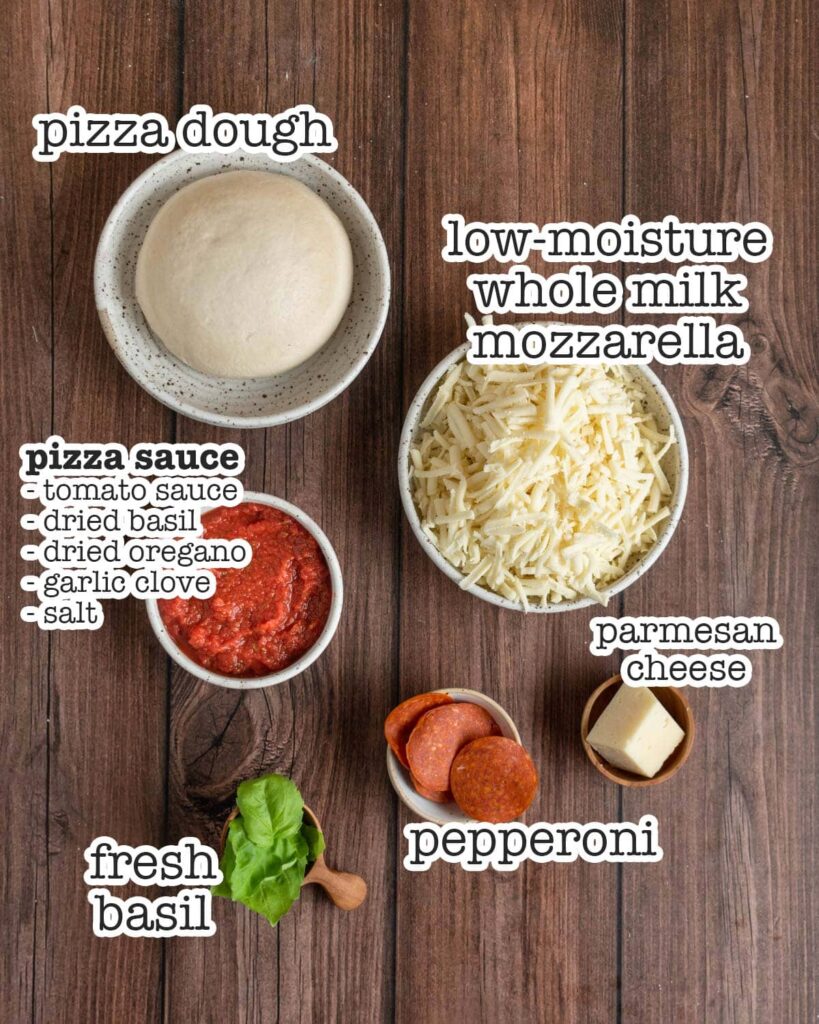
Pepperoni lovers prefer bold, meaty flavors paired with melty cheese. Pepperoni slices spread evenly over a tomato base create a classic favorite.
For a homemade twist, layering pepperoni and combining it with cheeses like mozzarella and cheddar adds richness. Baking at a high temperature crisps the edges of the pepperoni, giving a bit of crunch and spice.
Adding a sprinkle of chili flakes or garlic powder can boost flavor without overpowering the pepperoni. This pizza suits those who like a straightforward, hearty meal.
Vegetarian Pizza Ideas
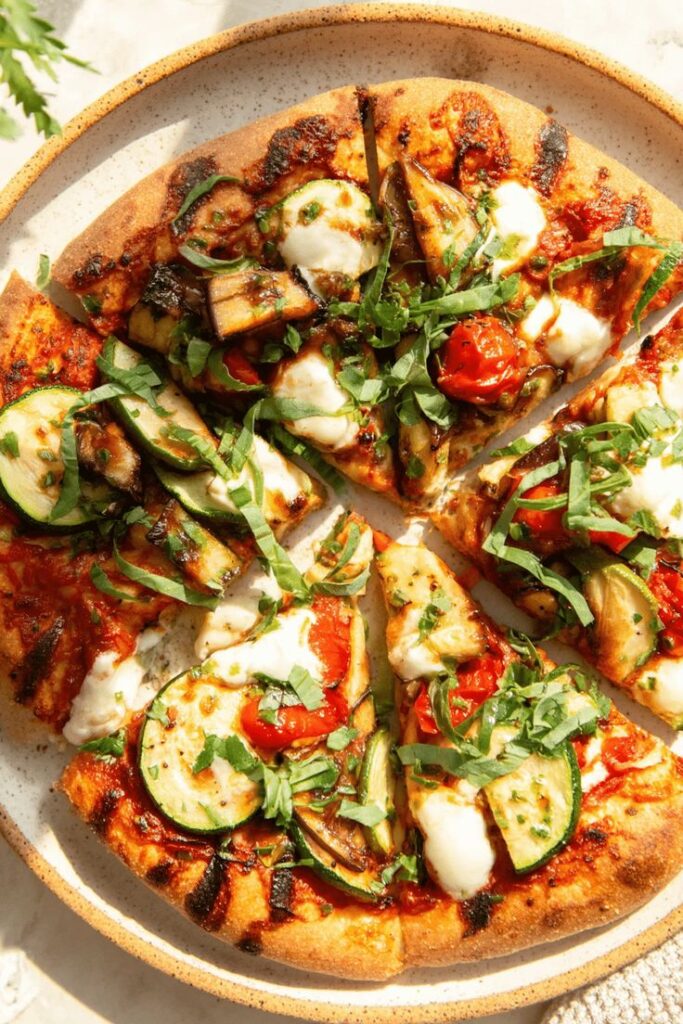
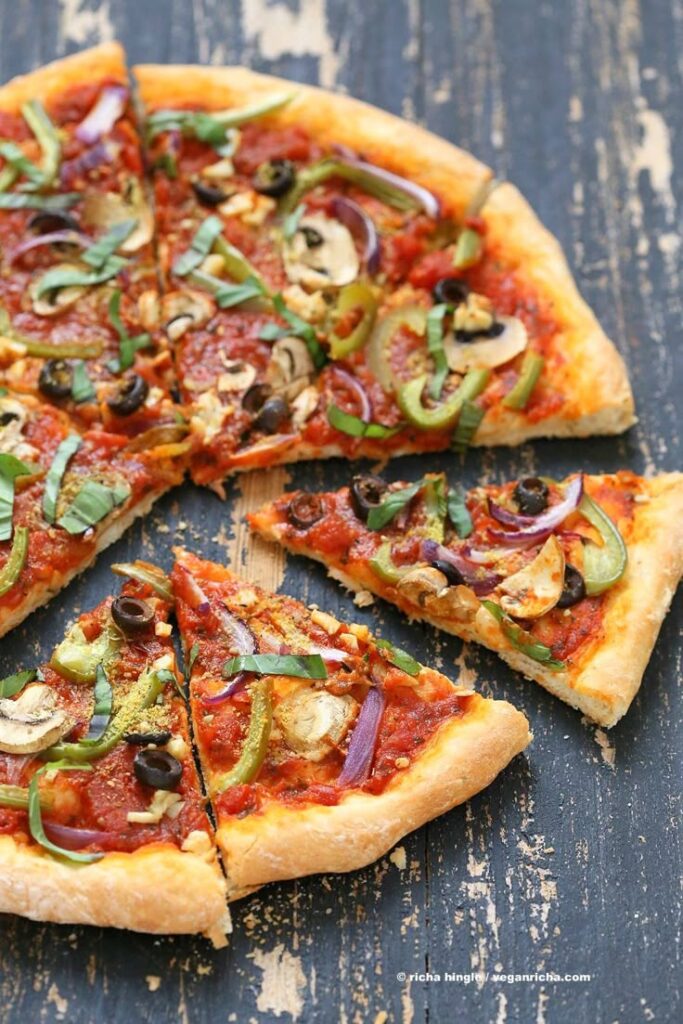
Vegetarian pizzas offer many tasty options without meat. Common toppings include bell peppers, mushrooms, olives, spinach, and artichoke hearts.
A popular version combines roasted vegetables with a tomato- or olive oil-based sauce and mozzarella. Adding fresh greens like arugula after baking adds freshness.
Experimenting with different cheeses, such as feta or goat cheese, creates variety. Using herbs like oregano or thyme enhances the flavor. Vegetarian pizzas can be colorful and filling.
Unique Pizza Flavor Combinations
Trying new flavor combos can make homemade pizza more exciting. For example, pulled pork with pineapple adds a mix of sweet and savory on a crispy crust.
Other unique pairs include spinach and artichoke with bacon or pesto with roasted vegetables. Using non-traditional sauces like barbecue or white garlic sauce changes the base flavor.
Adding unexpected toppings, like figs or goat cheese, can surprise the palate in a good way. Balancing sweet, salty, tangy, and spicy flavors helps create memorable pizzas.
Baking and Serving Tips for Pizza Night
Baking pizza right means paying attention to heat and timing to get a crispy crust and melted cheese. Proper storage and reheating keep leftovers tasty. Serving the pizza with good sides and drinks can make the meal more enjoyable.
Baking Methods for Crispy Crust

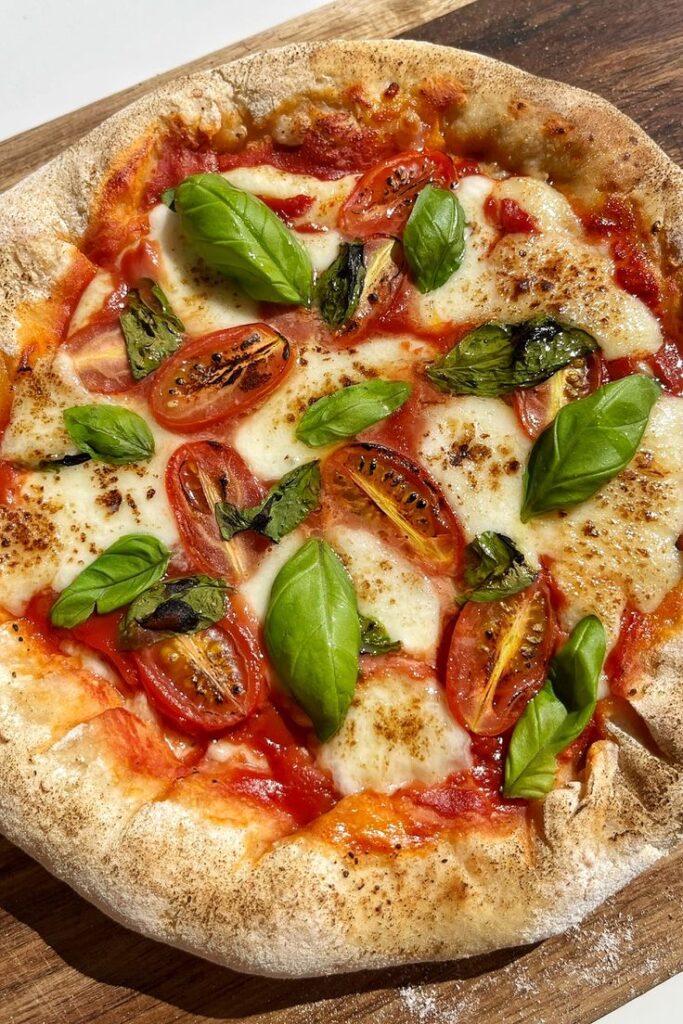
To get a crispy crust, preheat the oven to at least 475°F (245°C). Using a pizza stone or steel helps transfer heat evenly and absorb moisture from the dough. If these aren’t available, a thick baking sheet upside down works well.
Par-baking the dough for 3 to 5 minutes before adding toppings prevents sogginess, especially with thick crusts. Avoid overloading the pizza with toppings to keep the crust crisp and cook evenly.
For a thin crust, bake directly on the oven rack or stone. For thicker crusts, baking on a sheet is better to avoid burning the bottom.
Storing and Reheating Pizza
Pizza leftovers should cool completely before storing to avoid soggy slices. Wrap slices tightly in plastic wrap or place them in airtight containers.
For reheating, the oven is best. Heat at 375°F (190°C) on a baking sheet for about 8–10 minutes. This crisps the crust and melts the cheese without drying out the pizza.
Microwaving is quicker but can make crust chewy or soggy. To reduce this, place a cup of water in the microwave to add moisture or use a microwave crisper pan if available.
Pizza Pairing and Sides


Serving fresh greens like a simple arugula or spinach salad adds a crisp, light contrast to the rich pizza. A basic vinaigrette works well as dressing.
Garlic bread or roasted vegetables make great sides. For drinks, sparkling water or a light beer pairs nicely, balancing flavors.
Offering dipping sauces like garlic butter, ranch, or spicy marinara can enhance the experience without overwhelming the pizza’s taste.