

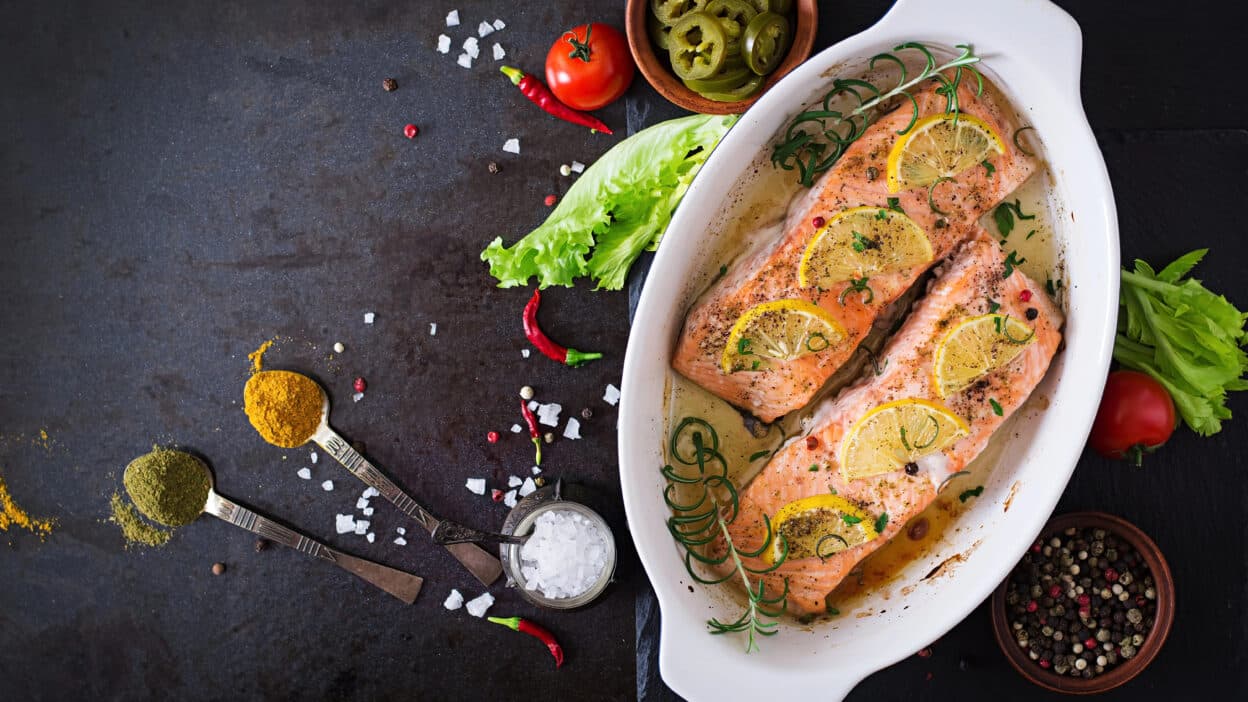
Baked salmon is a simple, healthy dish that anyone can make at home. It cooks quickly and needs just a few ingredients to shine. The key to great baked salmon is seasoning it well and baking it until it is tender and flaky.
Many people enjoy the flexibility of baking salmon because it pairs well with a variety of flavors like lemon, garlic, honey, and herbs. This makes it perfect for a quick weeknight meal or a special dinner with friends.
With easy techniques and a few helpful tips, anyone can make salmon that is juicy and full of flavor. This recipe will guide readers through the steps to bake salmon that tastes fresh and delicious every time.
Essential Ingredients
A few key ingredients make baked salmon stand out: the right fish, seasonings or marinades to boost flavor, and simple sides to complete the meal. Each choice impacts the taste and texture, so selecting carefully is important.
Fresh Salmon Selection
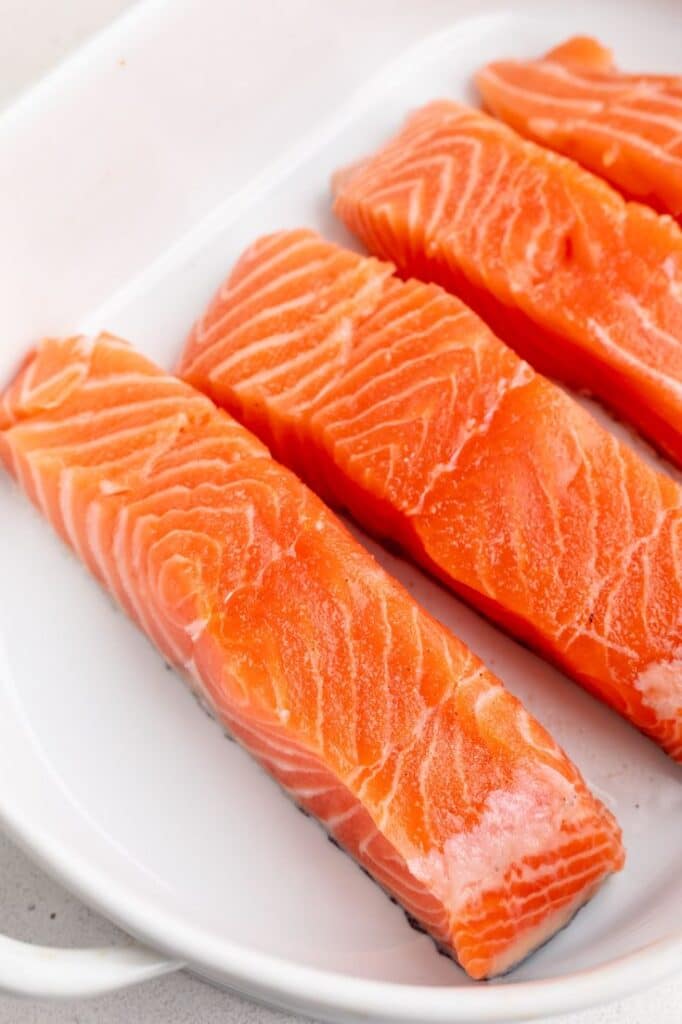
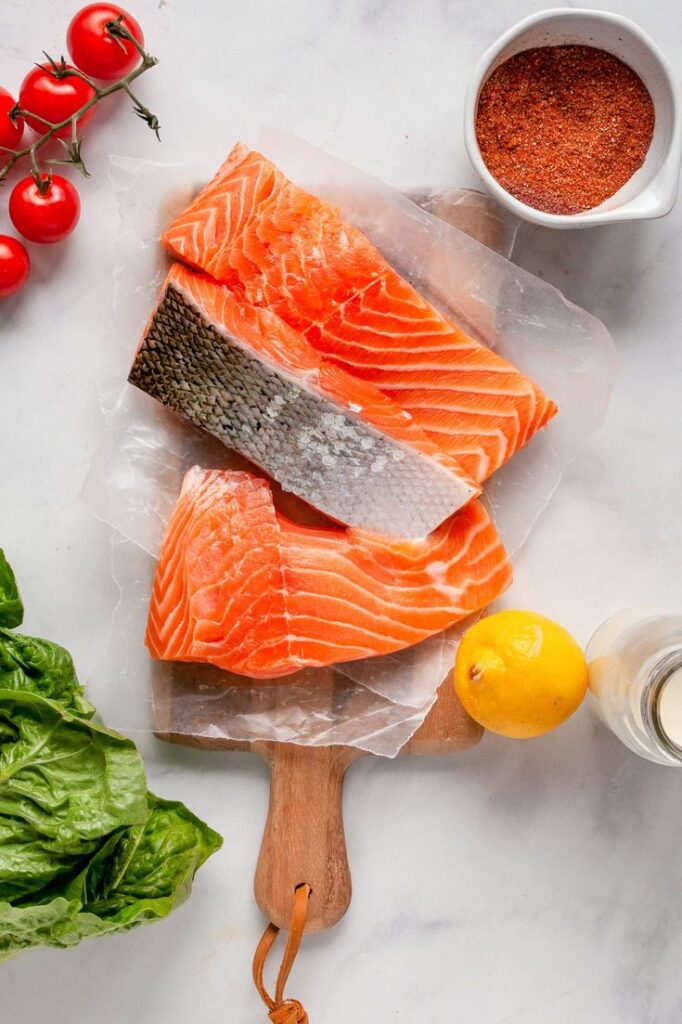
Choosing fresh salmon is important for flavor and texture. Look for salmon with firm flesh that springs back when touched. It should have a bright color, ranging from pink to deep orange, depending on the type. Avoid fish with a strong fishy smell.
Different types of salmon work well, including Atlantic, Coho, King, and Norwegian. Fillets or whole sides can be used. Skin-on salmon is popular because the skin helps keep the fish moist during baking.
Freshness matters most. If fresh salmon is not available, frozen salmon packed properly can also work well when thawed carefully in the fridge overnight.
Seasonings and Marinades

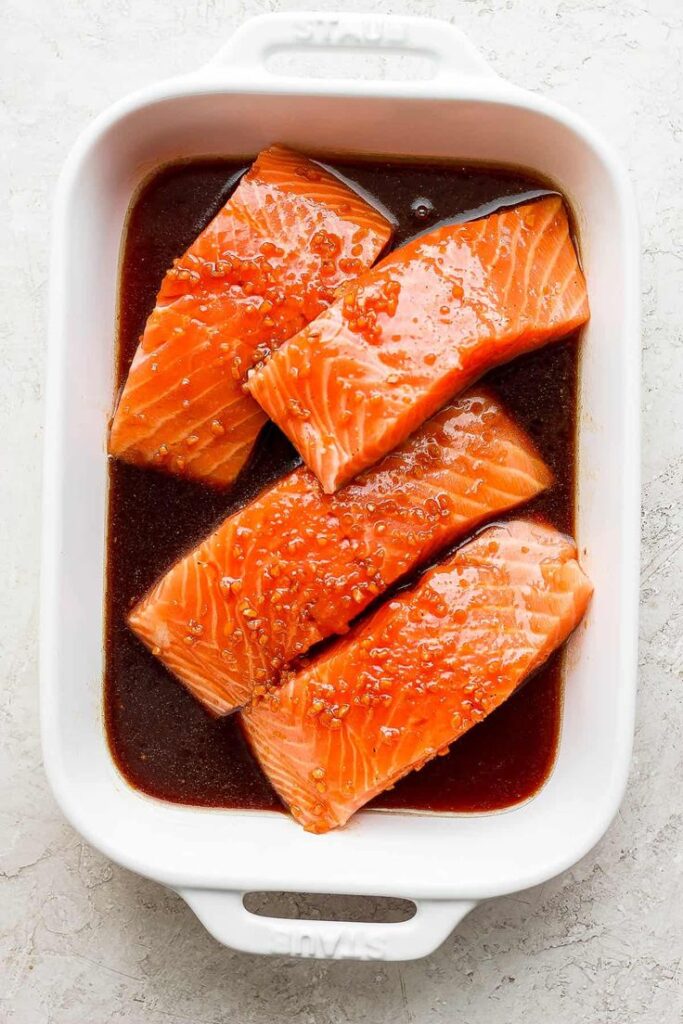
Simple seasonings bring out the salmon’s natural taste. Common choices are olive oil, salt, and pepper. These help keep the fish moist and add basic flavor.
Marinades with garlic, lemon, dill, honey, or mustard provide extra layers of flavor. A quick mix of butter with lemon juice and fresh herbs like parsley or thyme is a popular option. It gives a rich taste without overpowering the fish.
Using these ingredients, the salmon can be baked with the skin side down on a baking sheet. This method seals in moisture, making the fish tender and flaky.
Recommended Side Ingredients
To keep the meal balanced and easy, simple sides work best. Roasted vegetables like asparagus, broccoli, or carrots complement baked salmon well. They add color, texture, and nutrition.
Light salads with fresh greens and citrus dressing also pair nicely. For carbs, options like quinoa, rice, or mashed potatoes add substance but don’t compete with the fish’s delicate flavors.
Adding a small amount of butter or olive oil to sides keeps the meal moist and flavorful. Fresh herbs sprinkled on top finish the dish with a burst of freshness.
Step-by-Step Baked Salmon Instructions
Baking salmon well depends on properly preparing the fish, setting the right oven temperature, and using techniques to cook evenly. Each part plays a key role in making the salmon tender and flavorful without drying it out.
How to Prepare Salmon Fillets
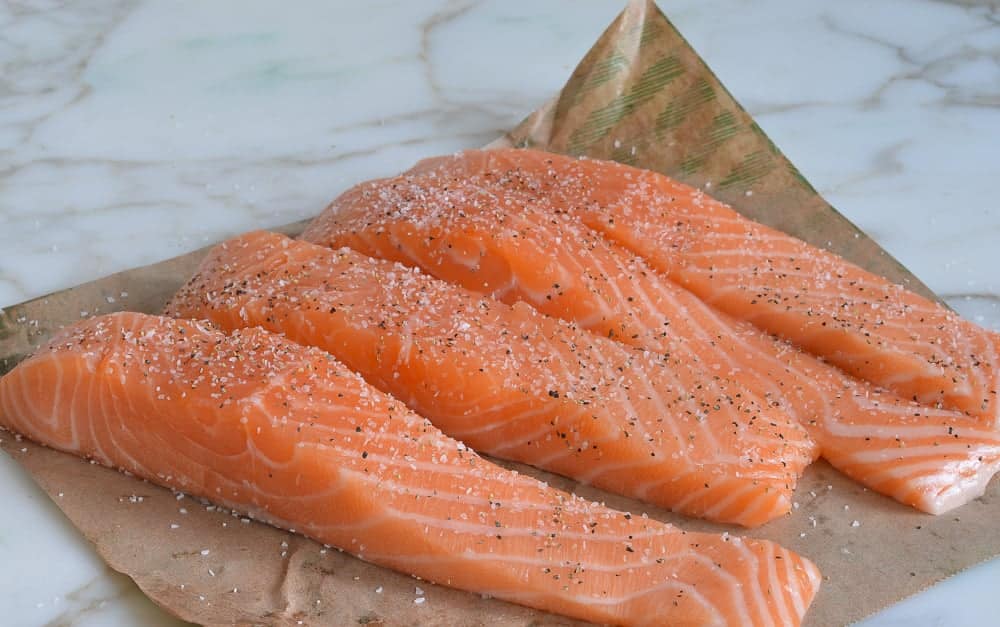
Start by letting the salmon fillets sit at room temperature for about 15-20 minutes. This helps the fish cook evenly. Next, pat the fillets dry with paper towels to remove any extra moisture. This step helps the skin crisp up if it’s left on.
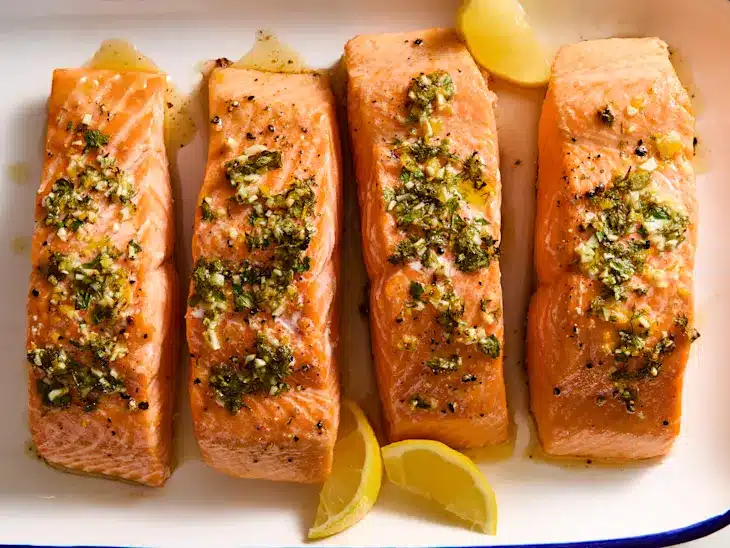
Brush both sides with olive oil or melted butter. This adds flavor and prevents sticking. Season with salt, pepper, and any other spices or herbs. Keep the skin on to protect the flesh unless you prefer skinless. Use a sharp knife if you need to cut the fillets to size.
Oven Temperatures and Bake Times
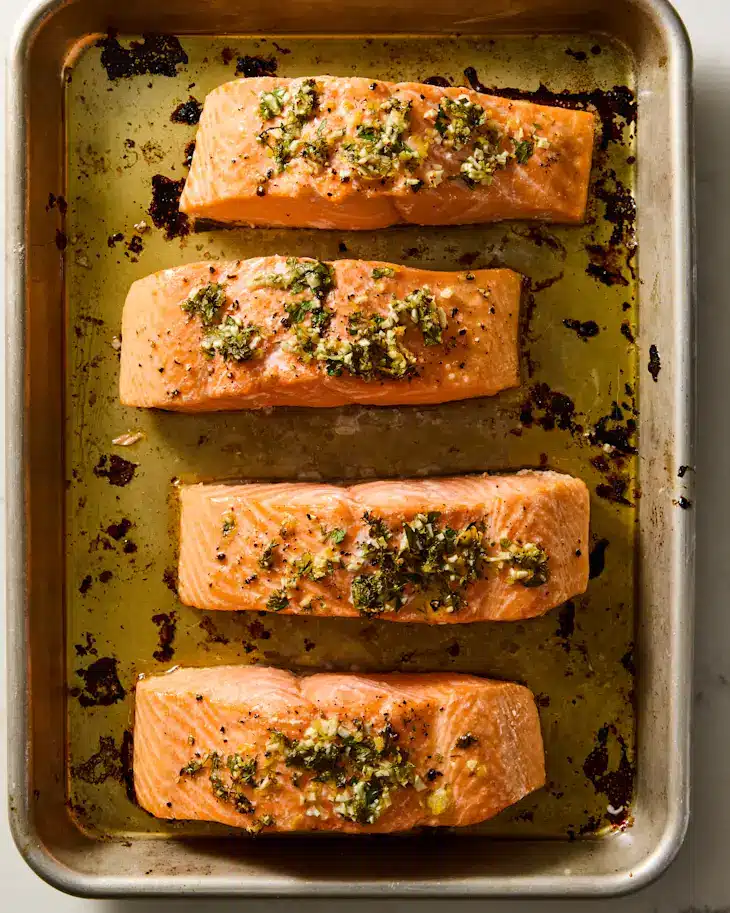
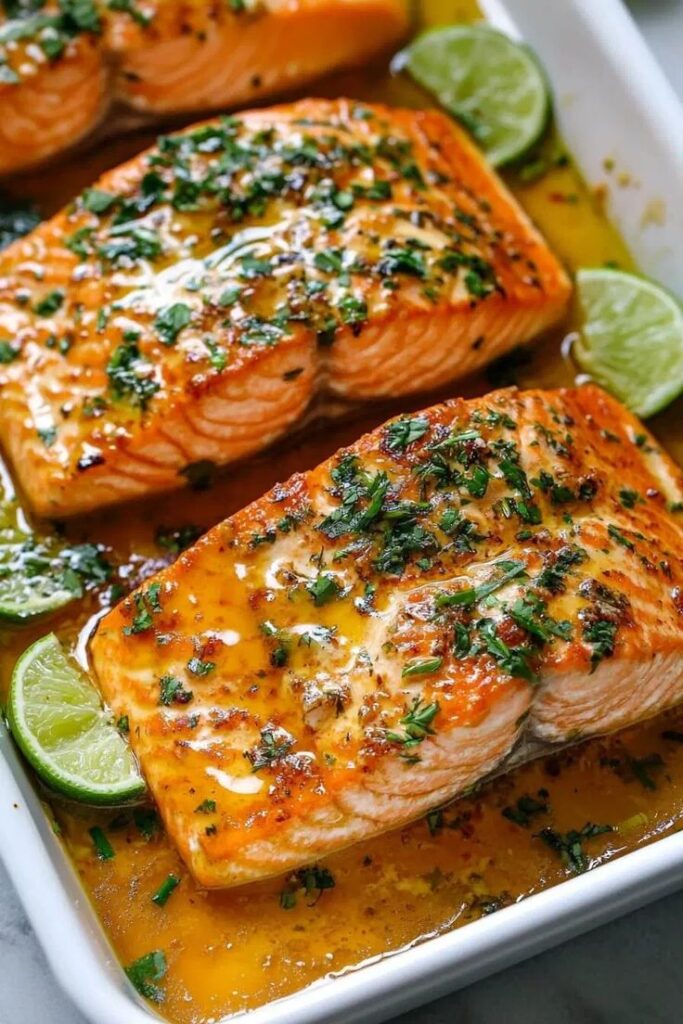
Preheat the oven to 375°F (190°C), a common temperature for baked salmon. At this heat, salmon cooks through gently and stays moist.
Bake the fillets skin-side down on a foil-lined pan or baking dish. Depending on thickness, bake for 12-18 minutes. A general rule is about 4-6 minutes per half-inch of thickness.
The salmon is done when it becomes opaque and flakes easily with a fork, but it should still be slightly translucent in the center for moistness. Avoid overcooking, which makes the fish dry.
Tips for Even Cooking
Use a single layer of fillets spaced evenly on the baking sheet. Crowding the pan causes uneven heat and steaming instead of roasting.
For best results, cover the pan with foil halfway through baking to lock in moisture, then remove it to let the top brown lightly.
Check the salmon near the end of cooking using a fork to test flaking. Also, rotating the pan once during baking helps heat distribute better.
Flavor Variations
Baked salmon can be flavored in many ways to suit different tastes. Simple ingredients like herbs, citrus, or spices can change the dish from mild and fresh to bold and spicy. These ideas are easy to try at home and add new life to your salmon dinner.
Lemon Herb Baked Salmon
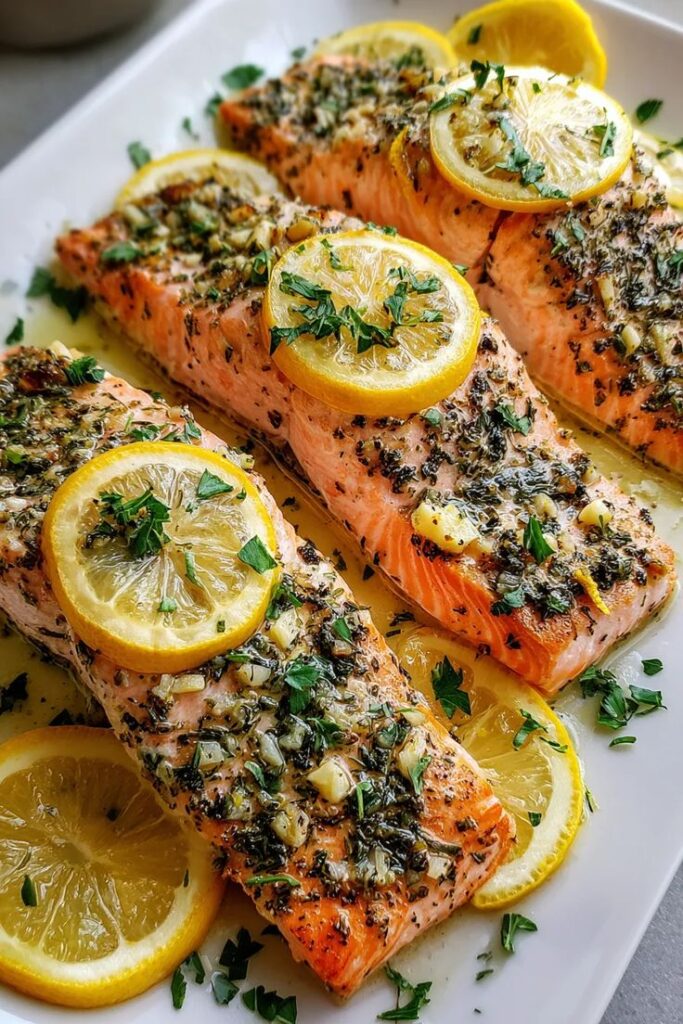
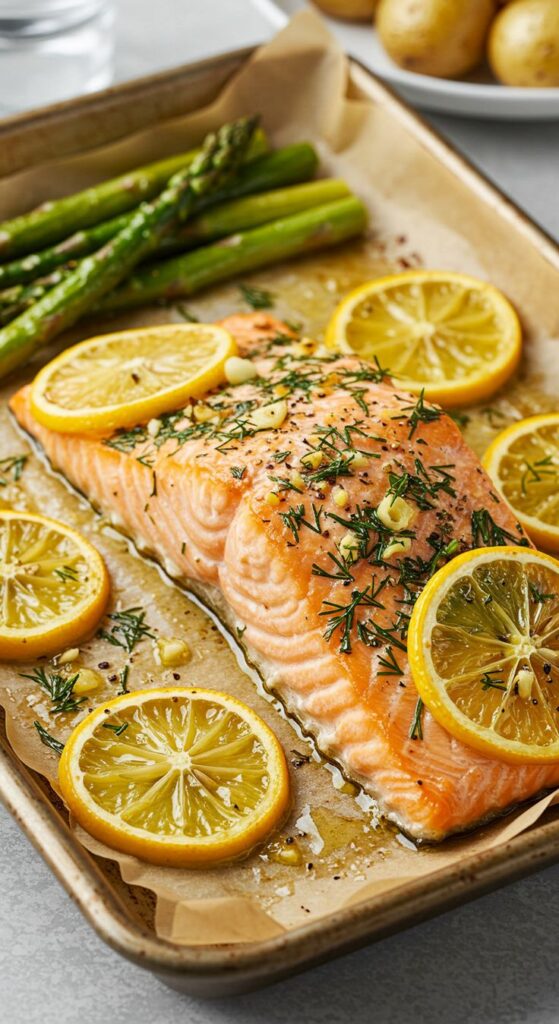
This option uses fresh lemon juice and a mix of herbs like thyme, parsley, and dill. The lemon slices placed on top while baking add bright flavor and keep the fish moist.
To make it, drizzle olive oil over salmon fillets and season with salt, pepper, and dried or fresh herbs. Bake with lemon slices; the steam helps keep the fish tender. This variation is light and perfect for those who like a fresh, clean taste without heavy sauces.
Asian-Inspired Marinade
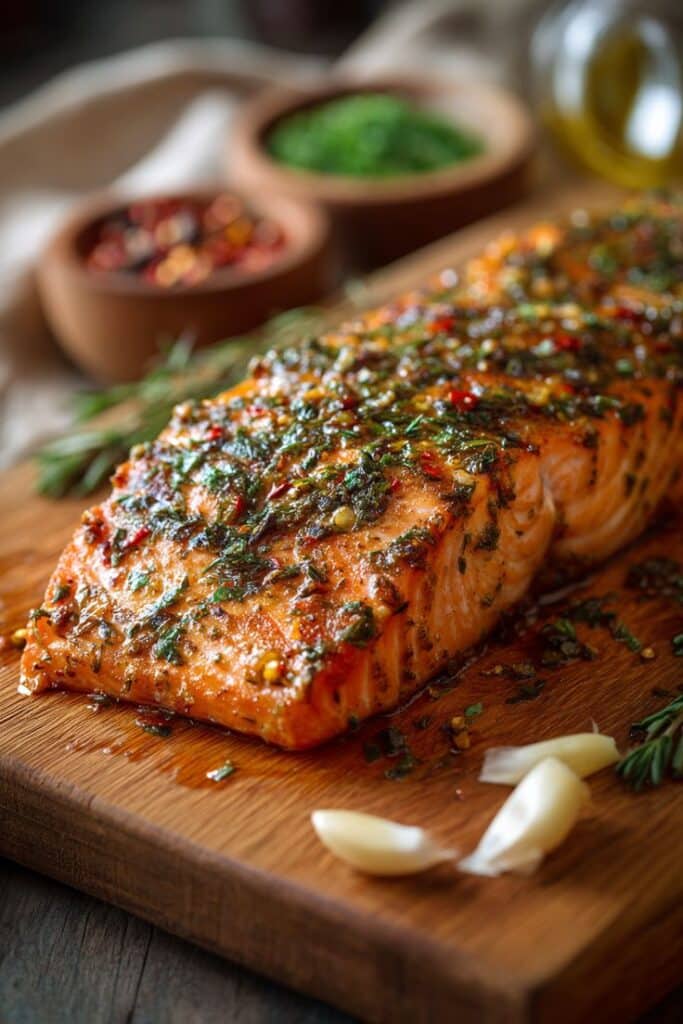
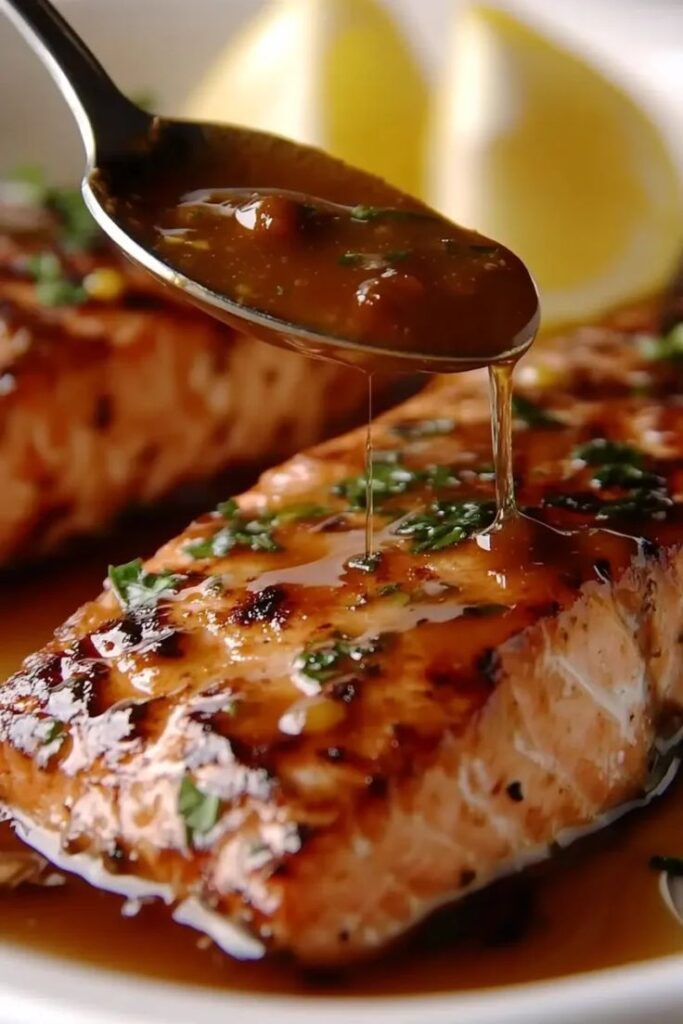
The Asian marinade combines soy sauce, honey, garlic, and fresh lemon juice for a balance of sweet, salty, and tangy flavors. Minced garlic adds depth, while honey gives a subtle sweetness that caramelizes in the oven.
The salmon is marinated 15-30 minutes before baking. This helps the fish soak up the flavors for a juicy, flavorful result. A sprinkle of chopped fresh parsley or green onions after baking brightens the dish. This style is great for a tasty weeknight meal.
Spicy Cajun Twist
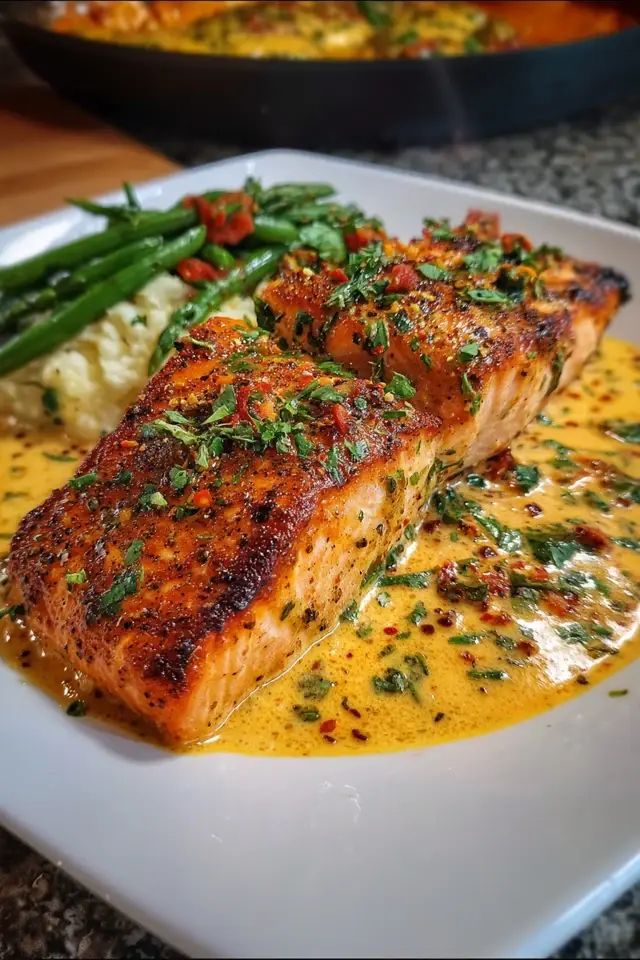
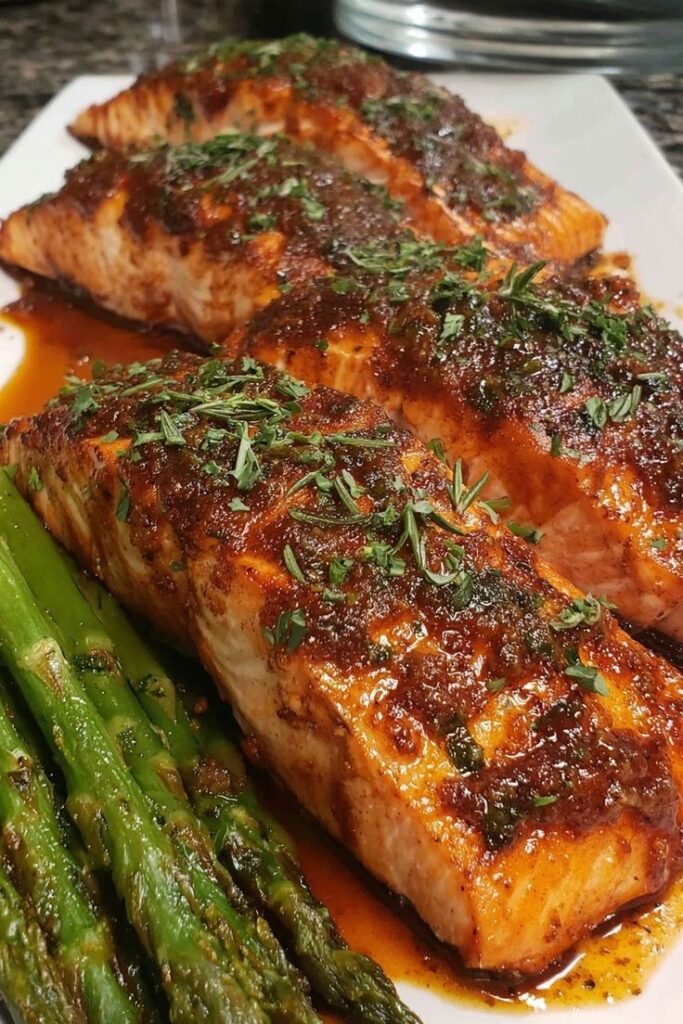
The Cajun variation uses a bold spice blend including paprika, cayenne pepper, garlic powder, and thyme. These spices create a smoky, spicy crust on the salmon.
The seasoning is rubbed directly onto the fillets before baking. Lemon slices and a splash of white wine can be added for moisture and extra flavor. This choice is ideal for those who like a little heat and a richer taste with their salmon.
| Ingredient | Use |
|---|---|
| Lemon Herb | Lemon, thyme, parsley, dill, olive oil |
| Asian-Inspired | Soy sauce, honey, garlic, lemon juice |
| Spicy Cajun Twist | Paprika, cayenne pepper, garlic powder, thyme |
Serving and Presentation Ideas
Baked salmon looks great when paired with the right sides and sauces. Simple touches can turn a plain plate into something inviting and tasty. Focus on clear colors, textures, and flavors that bring out the salmon’s best.
Creative Plating Suggestions
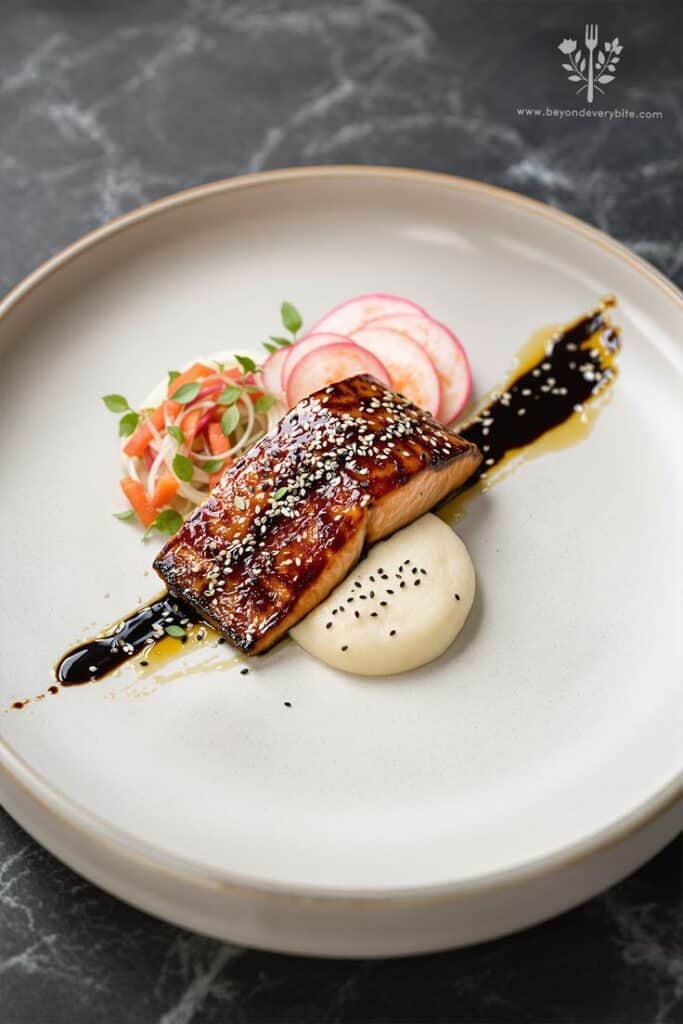
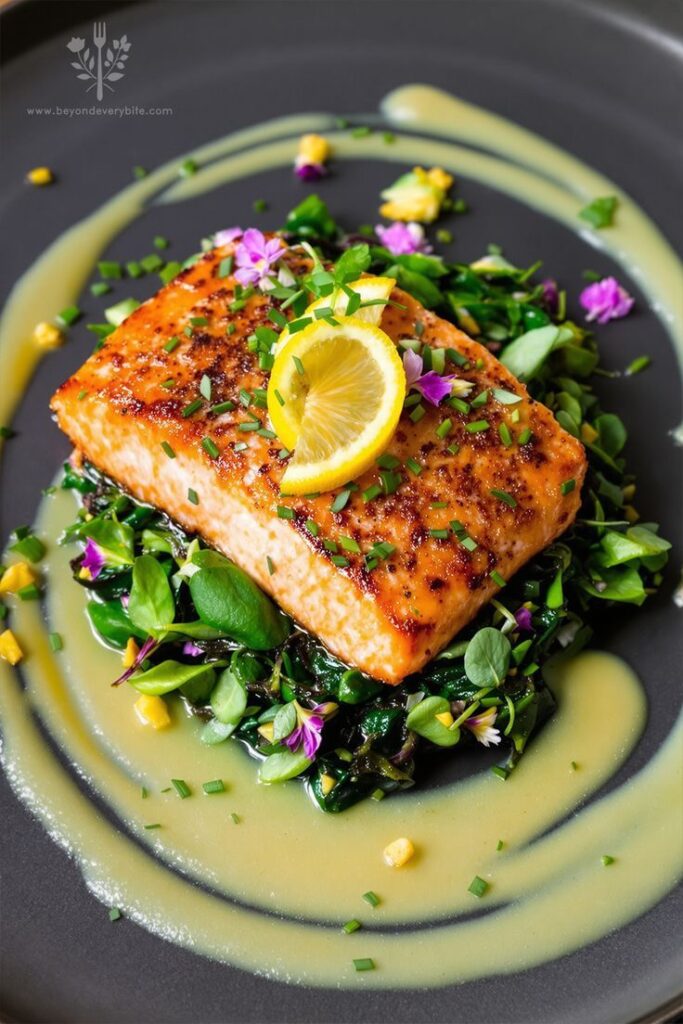
Salmon works well with fresh, bright sides. Placing it over a bed of steamed asparagus or sautéed spinach adds color and crunch. Roasted potatoes or a wild rice blend give some heartiness.
For a clean look, try arranging salmon fillets with lemon slices and fresh herbs like dill or parsley. Using small edible flowers or microgreens adds a fancy touch without extra effort.
Individual foil packets let each person serve their own, which is neat and easy. For a family-style dinner, thin slices of salmon on a large platter with side dishes around encourage sharing.
Sauce Pairings
Lemon herb sauce enhances baked salmon beautifully. A mix of lemon juice, olive oil, and fresh parsley adds a bright, fresh taste that complements the fish’s natural flavor.
Dill sauce made from yogurt and fresh dill gives a cool contrast. It works well served on the side or spooned lightly over the salmon.
For something different, a quick mustard-based glaze or a spicy mango salsa can bring a new layer of flavor. These sauces also pair well with steamed vegetables or rice, tying the whole plate together.
Using leftovers from sauce as a dip for sides like broccoli or potatoes gives the meal extra flavor without waste.
Storing and Reheating Leftover Salmon
Leftover salmon should be handled carefully to keep it fresh and tasty. Proper storage helps maintain its flavor and texture. Reheating should be done gently to avoid drying out the fish.
Safe Storage Methods
Salmon should be stored in an airtight container or wrapped tightly in plastic wrap or aluminum foil before placing it in the fridge. This prevents air exposure, which can dry out the fish or cause it to absorb other odors.
If salmon won’t be eaten within 2-3 days, freezing is a good option. Wrap the salmon in plastic wrap and then put it in a freezer-safe bag. Thaw frozen salmon in the fridge overnight before reheating.
Cooking the salmon before freezing can help keep its texture better when reheated. Always store leftover salmon at or below 40°F (4°C) to keep it safe.
Best Ways to Reheat Without Drying Out
Gentle reheating methods work best to avoid drying salmon. Using the oven or a skillet with a little added moisture helps keep the fish tender.
Before reheating in the oven, cover the salmon loosely with foil and add a splash of water, broth, or lemon juice. Heat at about 275°F (135°C) for 10-15 minutes.
On the stove, warm salmon in a skillet over low heat with a small amount of oil or butter. Turning it gently helps heat evenly.
Microwaving is the quickest but can easily dry out salmon. If microwaving, use low power and cover the fish with a damp paper towel to keep moisture in.