

Warm spices and tender pears can turn a simple dessert into something memorable. Poached Pears in mulled red wine until they have soaked up the flavors of cinnamon, star anise, and orange, then serve them with a reduced spiced syrup or a silky vanilla custard for an elegant winter finish.
Here’s what you’ll find: ingredient swaps, step-by-step poaching tips, and a quick way to turn leftover poaching liquid into a glossy syrup. There are also serving ideas, make-ahead tricks, and swaps for nonalcoholic or vegan versions, so you can tailor this dessert to suit any occasion.
Why Mulled Wine Poached Pears Are the Perfect Winter Dessert
This dish looks beautiful, tastes like the holidays, and fits lots of menus. It’s a simple way to serve something elegant and cozy at once.
Elegant Presentation for Entertaining
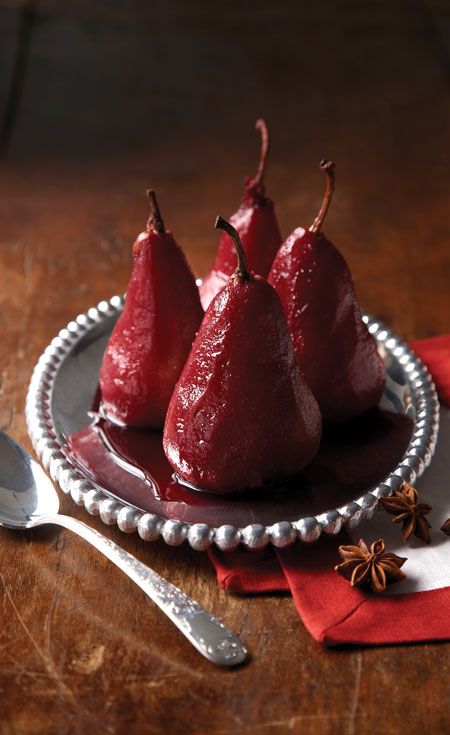
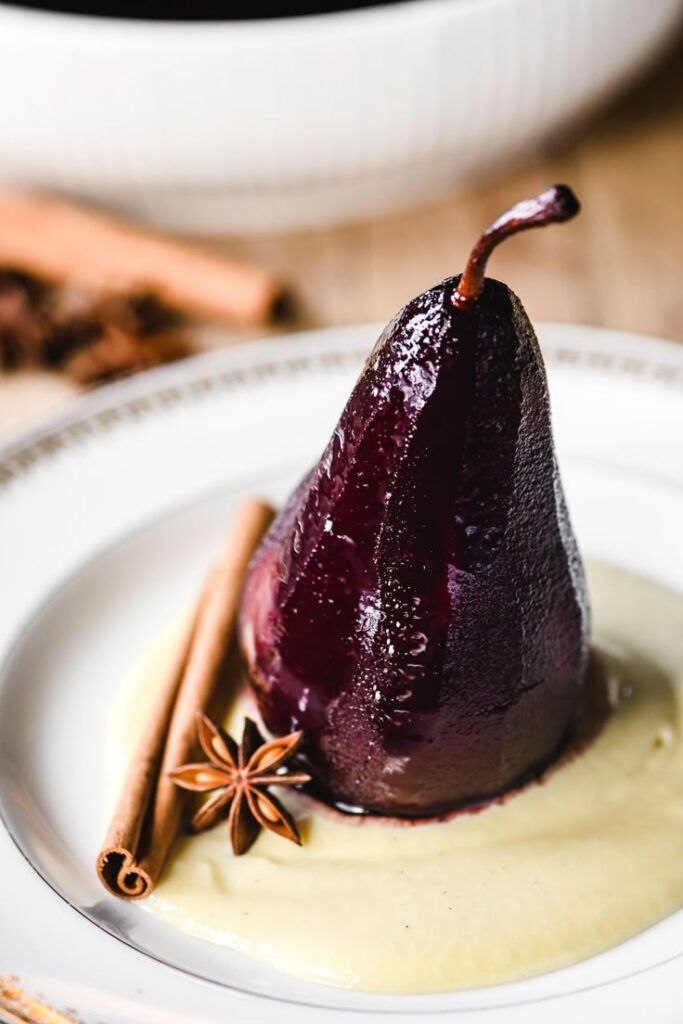
Serve each pear whole or halved for a clean, eye-catching plate. The deep red syrup from the mulled wine gives a glossy finish that pops against pale pears and a dollop of crème Anglaise or whipped cream.
Place a cinnamon stick or a thin orange slice beside the pear for a little height and a fresh scent. You can poach pears ahead and chill them in the syrup to save time. Reheat gently if you want them warm, or serve cold for a buffet. Plating is quick and looks pretty impressive.
Warm and Comforting Holiday Flavors
The poaching liquid mixes red wine with spices like cinnamon, star anise, and cloves, filling the kitchen with a familiar holiday aroma. Sometimes pomegranate or cranberry juice gets added to brighten the flavor and balance the wine’s tannins.
As pears simmer, they soak up those spices and the color from the wine. Every bite turns out tender, aromatic, and not too sweet. The warmth and spice just fit with winter menus and cold evenings.
Versatility for Different Occasions
Want a kid-friendly version? Poach in spiced fruit juice instead of wine. For an adult dinner, go for a full-bodied merlot or malbec to deepen the sauce.
Serve one pear per person for a plated dessert, or halve them to top cakes, tarts, or ice cream. Adjust sweetness by swapping sugar for maple syrup or honey, and use whatever spices you like. This dessert works for formal holidays, casual family dinners, or just as a cozy winter treat.
Essential Ingredients and Tools
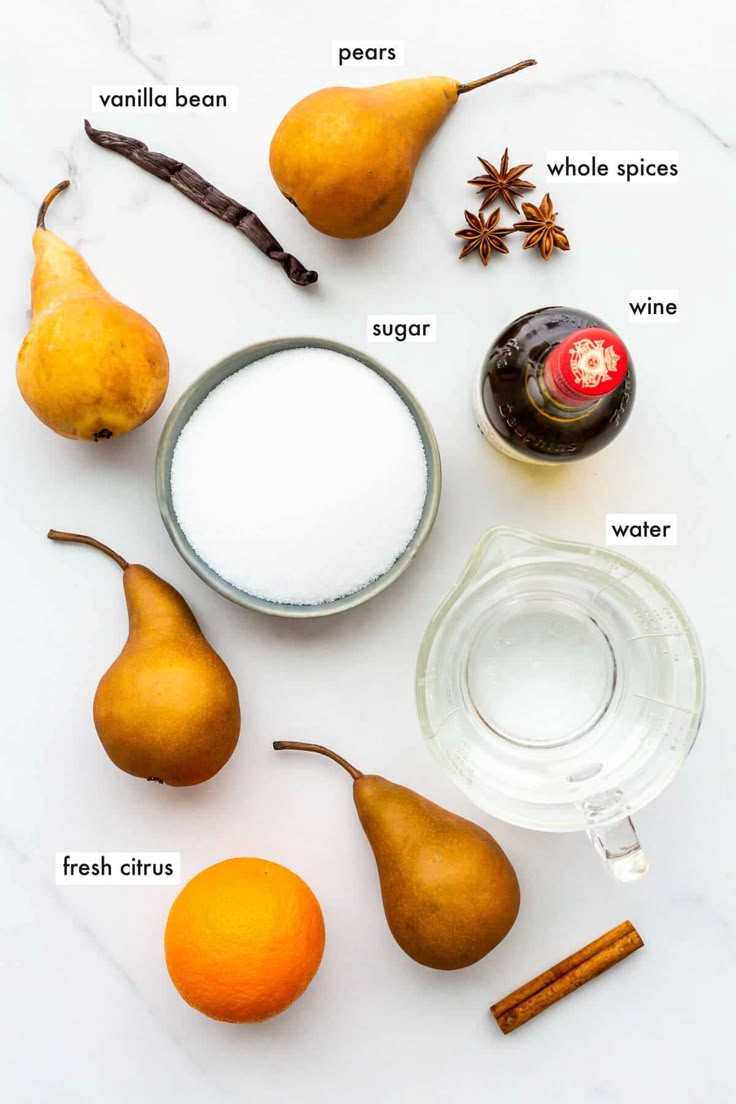
You’ll need firm pears, a spiced red liquid, and a pan that fits the fruit snugly. Gather whole spices, citrus peel, and a bit of sugar to balance out the tartness.
Best Types of Pears for Poaching


Pick pears that hold their shape while cooking. Bosc pears are a favorite—they have dense flesh and stay firm but tender. Anjou pears (red or green) also work, offering a smooth texture and even cooking.
Look for pears that are ripe but not soft. Press gently near the stem; a little give is perfect. If your fruit is very firm, expect a longer poaching time. For even flavor, peel the pears and leave the stems on so they look nice. You can core from the bottom if you want a spot for filling.
Classic Mulled Wine Spices
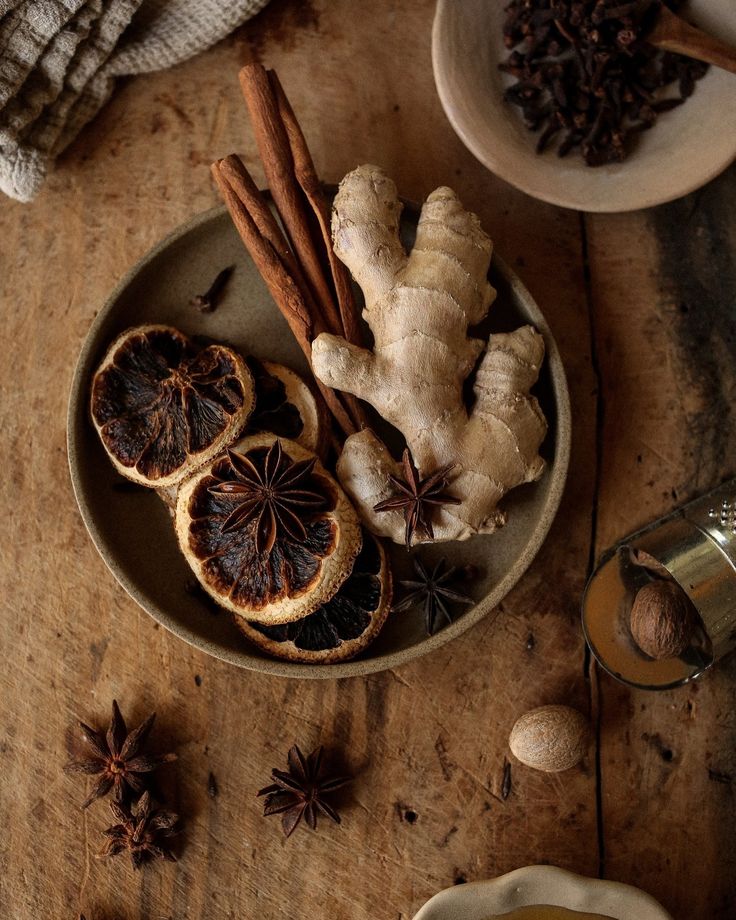
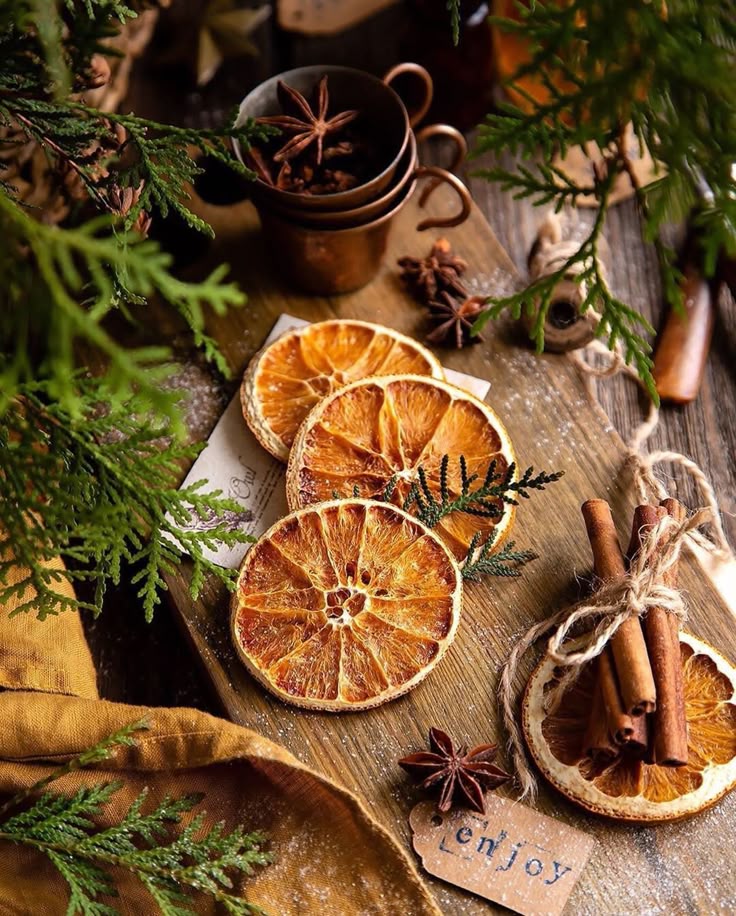
Stick with whole spices so the poaching liquid stays clear and you can fish them out easily. The basics: cinnamon stick, star anise, and whole cloves. Want extra warmth? Add a few cardamom pods or allspice berries. Don’t overdo it—2 cinnamon sticks, 3–4 cloves, and 2–3 star anise for one bottle of liquid is plenty.
Add strips of orange peel for a bright note. A half cup of sugar (brown or white) balances the acidity. For non-alcoholic poached pears, swap in pomegranate or cranberry juice and use a bit less sugar. Use a fine mesh strainer to remove spices before reducing the liquid into a glaze.
Recommended Wine Varieties

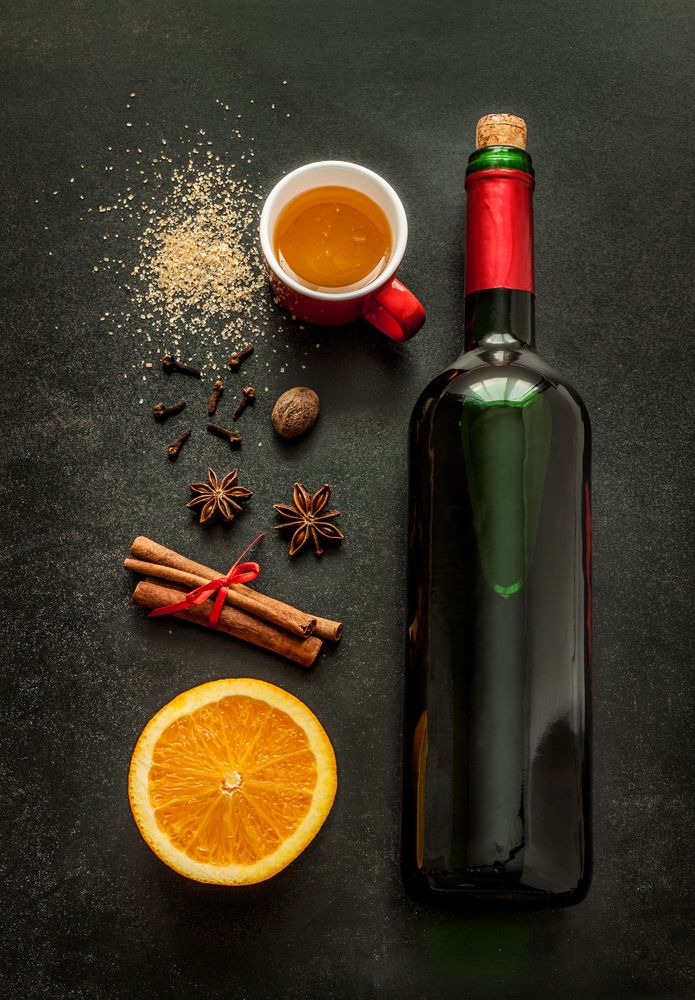
Choose a dry, fruity red that you’d actually drink—no need for anything fancy. Merlot, Zinfandel, or Shiraz/Syrah all work well since they bring fruitiness and body without harsh tannins.
Skip very tannic Cabernets and super light Pinot Noirs, which can taste thin after mulling. Use one 750 ml bottle for 4–6 pears in a snug pan. If you want no alcohol, try pomegranate juice or spiced apple cider. Taste your wine or juice first—if you don’t like it, you won’t like it concentrated.
How to Make Mulled Wine Poached Pears Step-by-Step
You’ll peel and core the pears, make a spiced mulled wine poaching liquid, and simmer the pears gently until fork-tender. Focus on even heat, full submersion, and taste the syrup for sweetness as you go.
Prepping the Pears

Choose firm Bosc or Anjou pears with no bruises. Peel them with a vegetable peeler, leaving the stems on for a pretty look. If you want, cut a thin slice off the bottom so the pears stand upright.
Use a melon baller or small spoon to core from the bottom up, keeping the pear whole. Work quickly to avoid browning. If you need to wait, toss them in lemon water (1 tbsp lemon juice per cup) for a few minutes and drain before poaching.
Trim any uneven spots, so pears cook at the same rate. If pears vary in size, group similar ones together or cut large ones in half and poach cut-side down.
Simmering the Poaching Liquid

Start with one bottle (750 ml) of dry red wine and add ½–1 cup of pomegranate or apple juice to balance tannins. Stir in ½–¾ cup granulated sugar, 1 cinnamon stick, 3–4 whole cloves, and 1–2 star anise pods.
Add a peeled orange, sliced, and 2 crushed cardamom pods for extra aroma. Heat the mixture over medium until it’s just below a boil, then lower to a steady simmer. Taste and adjust sugar; the liquid should taste pleasantly sweet and spiced, not syrupy.
Keep the pot uncovered or partially covered so alcohol cooks off and flavors concentrate. Strain before reducing if you want a clear syrup for serving.
Poaching the Pears Evenly

Lay pears in a wide, shallow pot so they’re mostly submerged. If the liquid doesn’t cover them, add water or more juice. Bring the pot up to a gentle simmer—don’t let it boil hard.

Simmer gently for 20–40 minutes, depending on size. Turn pears every 5–10 minutes so color and flavor distribute evenly. Check doneness with a paring knife; it should slide in with light resistance.

When they’re tender, lift pears out with a slotted spoon and let them cool in the syrup to soak up more flavor. Reduce the strained poaching liquid over medium-high heat until glossy—about half the volume—then spoon over pears when serving.
Mastering Mulled Wine Syrup
The syrup transforms the poaching liquid into a glossy sauce that coats the pears and adds sweetness. Focus on concentrating flavors and balancing sugar, and remove spices so the sauce stays smooth and pourable.
Reducing and Straining the Liquid
After you remove the pears, set the pan over medium heat to reduce the mulled wine poaching liquid. Let it boil gently until the volume drops by half—this concentrates the spices and pear juices.
Watch closely; if it gets too hot, the syrup can burn or turn bitter. Taste as it reduces. If it needs sweetness, add 1–2 tablespoons of brown sugar or honey, a little at a time, until you’re happy with the flavor.
When the syrup thickens and coats a spoon, take it off the heat. Strain through a fine-mesh sieve or cheesecloth to catch spice bits. Press gently on solids to extract extra flavor, but don’t push bitter bits into the syrup.
Storing Mulled Wine Syrup
Cool the strained syrup to room temperature before storing. Pour it into a clean glass jar or airtight bottle and seal tightly. It’ll keep in the fridge for about 5–7 days.
Label the container with the date. For longer storage, freeze the syrup in small portions—ice-cube trays work surprisingly well. Thaw only what you need; reheating too often can change the texture and taste.
Reheat gently before serving: warm the syrup in a small pan or microwave for a few seconds. If it thickens after chilling, add a splash of water while reheating to loosen it up.
Serving Suggestions and Pairings
Here’s how to serve the pears so they taste balanced and look inviting. Pick a rich custard or ice cream, and add a few simple garnishes for flavor and texture.
With Vanilla Custard Sauce or créme Anglaise

Serve pears on a shallow pool of warm vanilla custard for a classic pairing. Make the custard with egg yolks, half and half, sugar, and vanilla paste.
Temper the yolks by whisking in a little hot half and half before returning everything to the pan. Cook gently until the sauce thickens and coats a spoon. For a silkier texture, strain the sauce after cooking. Keep it warm or chill and rewarm briefly. Spoon the custard first, then stand the pear upright so the sauce pools around the fruit.
With Vanilla Ice Cream

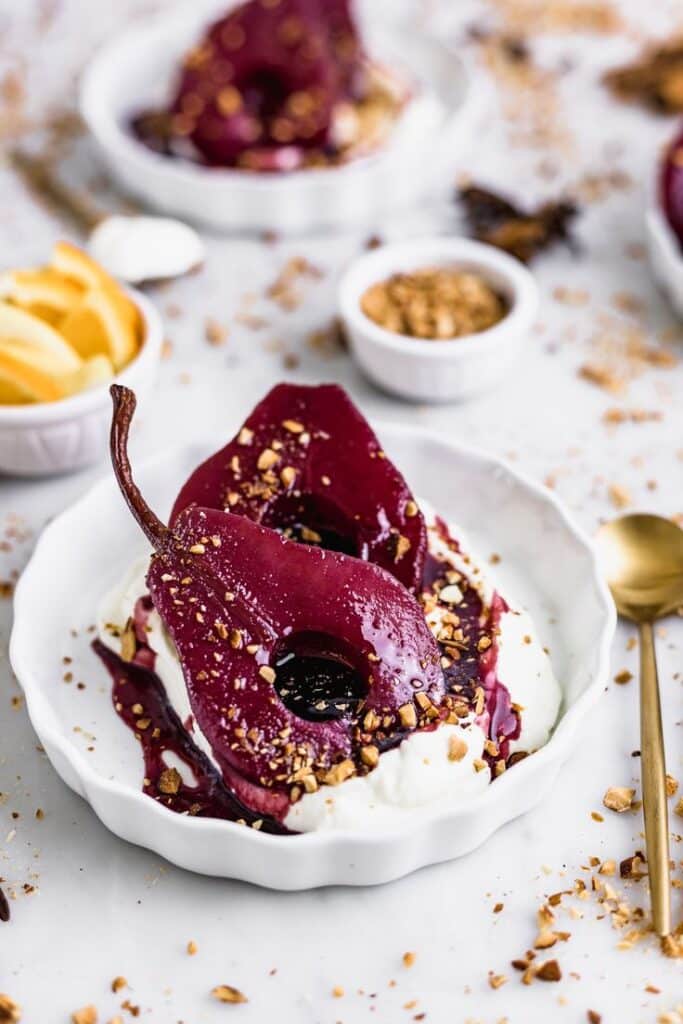
Vanilla ice cream adds a cold contrast to warm poached pears. Use a good vanilla with real vanilla paste or beans for a deeper flavor that matches the mulled wine syrup.
Place one scoop beside a pear and drizzle some reduced poaching liquid over both. Serve right away so the ice cream softens and mingles with the syrup. For individual portions, halve pears before poaching, so they sit flat and make room for the ice cream. This pairing is a simpler, less rich alternative to custard.
Garnishes and Presentation Tips
Add texture and color with a few thoughtful garnishes. Sprinkle toasted chopped nuts—almonds, pecans, or walnuts—for crunch. A few pomegranate seeds or a strip of orange zest brighten the dish and echo the poaching flavors.
For plating, use shallow bowls or wide dessert plates. Spoon a little reduced syrup first, then add the pear and custard or ice cream. Finish with a dusting of powdered sugar or a spoonful of mascarpone if you want extra creaminess.
Tips for Perfect Wine Poached Pears
Use pears that are firm but not rock-hard, keep the poaching liquid at a gentle simmer, and choose whole or halved fruit based on how you’ll serve them.
Choosing the Right Pear Ripeness
Pick pears that give just slightly when you press near the stem. Bosc and Anjou hold their shape best while softening.
If pears feel rock-hard, let them ripen at room temperature for a day or two. Avoid very soft or mealy pears—overripe Bartletts will fall apart while poaching.
Look for pears that feel heavy for their size and have smooth, unblemished skin. If you’re not sure, test one by inserting a small knife near the core—it should meet gentle resistance before cooking. That sets you up for even texture and good flavor absorption.
Poaching Whole vs. Halved Pears
Poaching whole pears gives you a dramatic look, plus you get to keep the stem as a handle. Whole Bosc pears look fancy and slowly soak up that mulled wine color.
If you want pears to cook faster, just halve them. Halve Anjou pears, cook evenly, and let the syrup glaze the cut sides, which looks nice on a plate with cream or ice cream.
When poaching halves, scoop out the core with a small spoon or melon baller before you start. Nestle the pears close together in the pan so they stay mostly under the liquid.
Turn the pears now and then—whether whole or halved—so they color and soak up flavor on all sides.
Common Mistakes to Avoid
Don’t crank up the heat. If you boil the poaching liquid, pears turn mushy fast because a rolling boil wrecks their structure.
Keep the heat low and gentle, so just a few bubbles rise. Skip pears that are very ripe or soft—they’ll lose their shape and get too mushy.
Don’t waste good wine. Every day, dry red works well, since the spices and sugar do most of the heavy lifting for flavor.
Always let pears cool in the poaching liquid. That deepens the color and flavor. If your syrup feels thin, strain it and simmer until it turns glossy.
Make Ahead, Storage, and Shelf Life
Let pears cool off in their poaching liquid, then stash them in an airtight container. Use them within a few days for the best texture and flavor.
Refrigerating or freezing helps you keep them safe, and you can serve them chilled or gently warmed.
How Long Do Poached Pears Last?
Poached pears usually last about 3–5 days in the fridge if you keep them in an airtight container with their syrup. The syrup protects the fruit and keeps the flavor nice, even as the pears soften a bit each day.
If pears sit out for more than two hours, toss them. Always check for funky smells, slime, or mold before eating. Need them to last longer than five days? Freezing works better.
Refrigeration and Freezing Tips
Store pears in a non-reactive container—glass or food-grade plastic works. Pour the cooled poaching liquid over them to keep them moist.
Label the container with the date so you don’t forget when you made them. For freezing, pack pears and syrup in freezer-safe bags or containers, squeezing out as much air as possible.
Freeze them flat for 2–3 months for best results. Thaw overnight in the fridge, and expect them to be softer. If you want them warm, reheat gently in a saucepan with some syrup.
Quick reference:
- Fridge: 3–5 days
- Freezer: 2–3 months
Always give them a sniff and a look before serving—just in case.
Creative Variations and Dietary Alternatives
You can keep that warm spice and syrupy feel, but swap ingredients for dietary needs or flavor twists. Here are some simple, practical swaps to make the dessert alcohol-free or to adjust sweeteners and spices.
Non-Alcoholic Mulled Wine Poached Pears
Instead of red wine, use 2 cups pomegranate juice plus 1 cup unsweetened red grape juice—or just 3 cups pomegranate juice. Add 1 cup of water so it’s not too intense.
Stick with the same spices—cinnamon sticks, whole cloves, star anise, plus orange peel and juice—to keep that mulled flavor going. If your juice is sweet, start with 1/2 cup sugar and adjust after simmering.
Poach pears as usual: gentle simmer, turn every 5–7 minutes, and cook until a knife slides in with some resistance. Chill pears in the syrup overnight for more flavor. The leftover syrup is great over ice cream or yogurt.
Alternative Sweeteners and Spices
Try swapping out granulated sugar for 2/3 cup honey, 2/3 cup maple syrup, or even 1/2 cup coconut sugar. Honey and maple syrup bring floral or caramel notes, while coconut sugar leans more into that brown-sugar vibe.
Honestly, I’d suggest starting with the lower end of those amounts. Taste the simmering liquid first, then see if you want more sweetness.
Looking for a spice twist? Toss in 3–4 crushed cardamom pods or a few thin slices of fresh ginger for extra warmth. Vanilla’s always a safe bet too—use 1–2 vanilla beans or just a teaspoon of vanilla extract if that’s what you’ve got.
If you cut back on sugar, you’ll probably need a bit more acidity. Add an extra tablespoon of orange juice or a splash of lemon to balance things out.
Just keep tasting and adjusting as you go. The goal is to keep that pear texture and mulled flavor in a good spot, but hey, don’t stress—it’s hard to mess this up.
FAQ
Why are mulled wine poached pears considered the perfect winter dessert?
They are considered perfect because they look beautiful, evoke holiday flavors, and fit well into various menu styles, offering an elegant and cozy winter treat.
How can I serve mulled wine poached pears to impress guests?
Serve the pears whole or halved with a glossy red syrup and a dollop of crème Anglaise or whipped cream, adding a cinnamon stick or orange slice for decoration and aroma.
What are the best pears to use for poaching?
Bosc pears are ideal because they hold their shape and stay tender, but Anjou pears also work well due to their smooth texture. Choose firm pears that are not soft or overripe for the best results.
What are the traditional spices used in mulled wine for poaching pears?
Whole spices like cinnamon sticks, star anise, and whole cloves are traditional, with optional additions of cardamom pods, allspice berries, and strips of orange peel for added aroma and warmth.
How do I make the perfect reduction of mulled wine syrup to serve with pears?
Strain the poaching liquid and simmer it gently over medium heat until it thickens and becomes glossy, reducing it by about half while tasting and adding sweetener as needed, then strain to remove spices.