
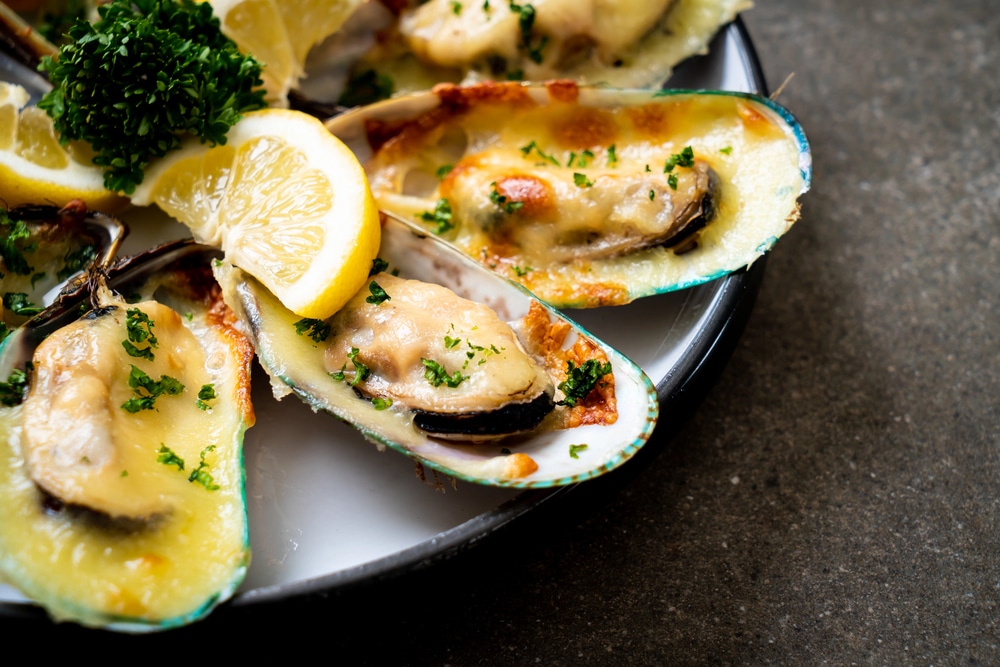
You can make restaurant-style Parmesan Garlic Grilled Oysters at home with just fresh oysters, garlic butter, and grated Parmesan. The secret? Spoon a rich garlic-parmesan butter onto each shucked oyster, then grill until the cheese bubbles and turns golden. That gives you a smoky, briny bite that’s quick to prepare and pretty hard not to love.
This post walks you through picking and handling fresh oysters, shucking safely, building the ultimate garlic‑Parmesan butter, and grilling to the perfect finish. You’ll find simple tips, make-ahead moves, serving ideas, and a few fun twists to customize the dish for any gathering.
Why Grilled Parmesan Garlic Oysters Stand Out
This dish brings together a bold, savory topping, quick high-heat cooking, and easy plating. You get a mix of briny oyster liquor, melted buttery garlic, and a crisp Parmesan finish, making it work for casual cookouts or as a seafood appetizer.
Flavor and Texture Highlights
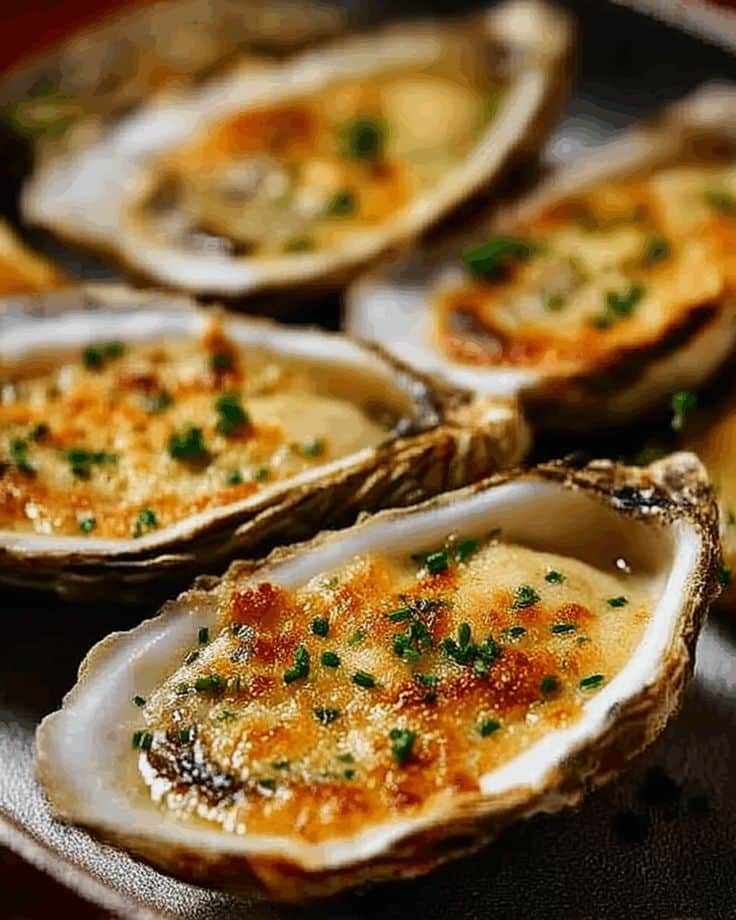
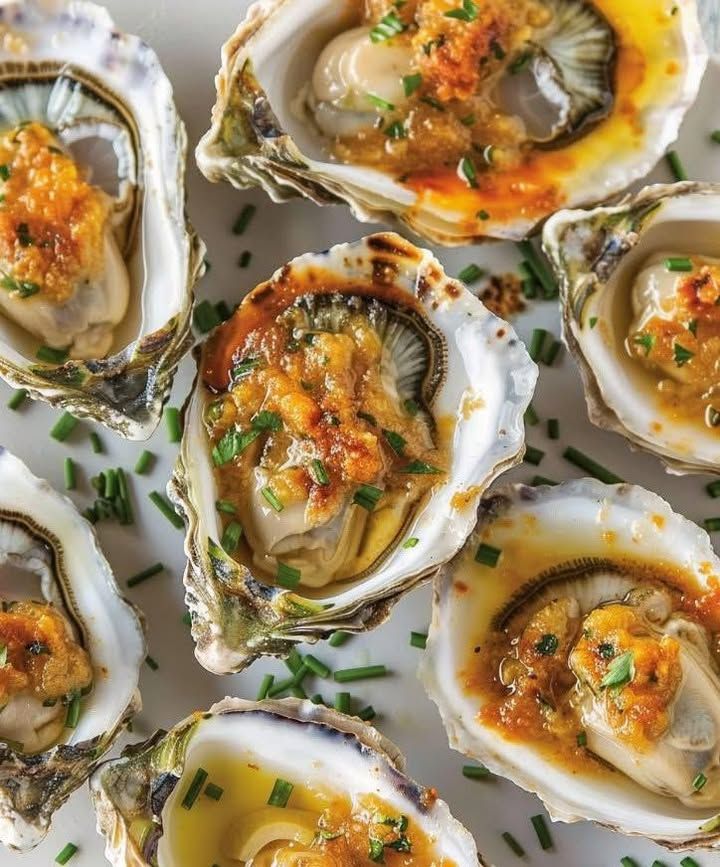
You taste the ocean first—fresh oyster liquor brings a bright, salty base that pairs well with butter. The garlic in the topping adds a warm, savory bite.
Parmesan melts and browns, giving a nutty, slightly sharp crust. Grilling adds smoke and brings out the oyster’s natural sweetness.
The high, direct heat bubbles the butter and crisps the cheese in just minutes. That contrast—tender oyster meat with a golden, crunchy topping—makes for a pretty satisfying mouthful.
Use lemon or parsley sparingly to add brightness if you want. If you like heat, a pinch of crushed red pepper perks things up without overpowering the garlic or Parmesan.
Versatility and Occasion Ideas
You can serve these as a backyard treat or a plated starter for guests. For a cookout, place oysters on a bed of rock salt or foil on the grill for easy transfer and steady heat.
For a dinner party, arrange them on half-shells over greens or coarse salt for a tidy look. Pair with a crisp white wine, light lager, or a citrusy sparkling drink to cut through the richness.
You can scale the recipe—make a dozen for an appetizer or a big tray for a seafood spread. The garlic-Parmesan butter also tastes great on shrimp or scallops if you want to mix things up.
Prep is fast: shuck, spoon on topping, and grill for 4–6 minutes. That means you spend more time with friends and less at the stove.
Gluten-Free & Dietary Benefits
Grilled Parmesan Garlic Oysters are naturally gluten-free if you use plain Parmesan and skip breadcrumbs. That makes them a solid option if you or your guests avoid gluten—just check cheese labels, since some grated brands sneak in anti-caking agents with gluten.
Oysters are high in protein, zinc, and B vitamins and low in carbs. The buttery topping adds fat and calories, so you can control portions by using less butter or serving fewer oysters per person.
If you need dairy-free options, swap in a finely ground nut topping or a dairy-free Parmesan alternative, and use olive oil instead of butter. That keeps the smoky, garlicky vibe while meeting different needs.
Choosing and Preparing Fresh Oysters
You’ll pick oysters based on size, flavor, and freshness. Clean them well and keep them cold until you’re ready to grill.
Selecting Oyster Varieties

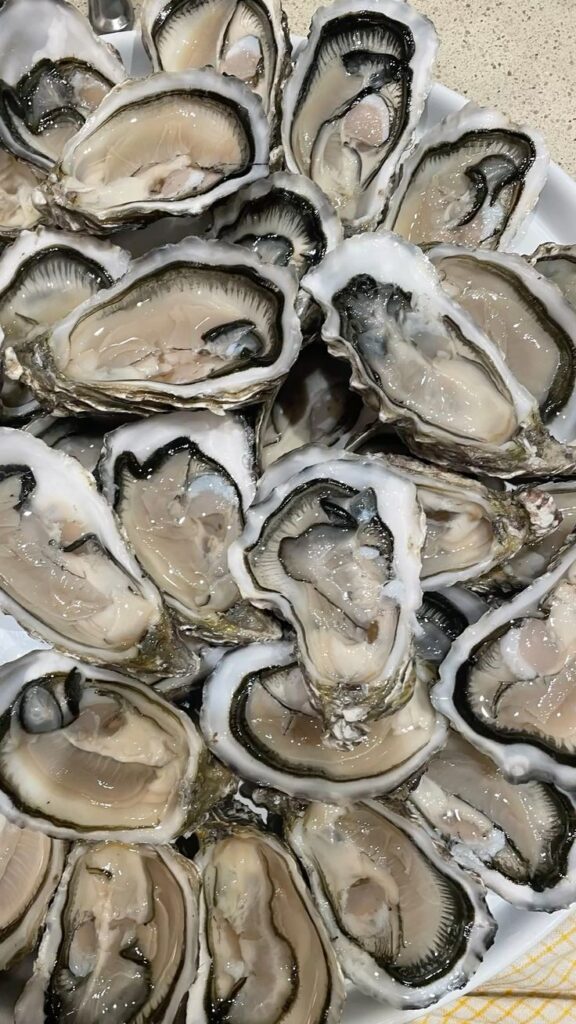
Pick oysters that match the flavor you want. Kumamotos are small, sweet, and creamy—great if you want a mild, buttery bite.
Pacific oysters are larger and brinier, which stands up to the garlic-Parmesan topping. Bluepoints and Atlantic varieties bring a salty, ocean-forward taste that pairs well with bold butter sauces.
Buy oysters labeled by origin if you can. Ask the fishmonger for firm shells and a recent harvest date. If you’re grilling a bunch, grab a mix of sizes so the topping and cook time balance out.
Ensuring Freshness
Check shells first—they should be closed tight or close when tapped. Toss any that don’t react; those are dead.
Fresh oysters smell like the sea, not fishy or sour. Keep them cold from market to kitchen—transport in a cooler or insulated bag over ice, then store in the fridge at 34–40°F (1–4°C).
Place oysters cup-side down on a tray under a damp towel to keep them moist but not submerged. Use within 24–48 hours for the best taste and safety.
How to Clean Oysters

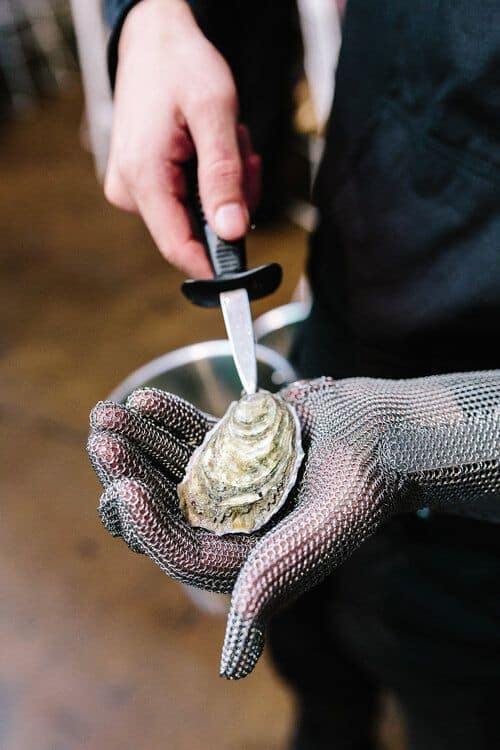
Rinse each shell under cold running water. Use a stiff brush to scrub off mud and barnacles so grit doesn’t drop in while shucking.
Don’t soak oysters in fresh water—that’ll kill them and dull their flavor. When shucking, wear a thick glove or wrap a towel around the hand holding the oyster.
Insert an oyster knife at the hinge, twist gently, and slide the blade along the top shell to cut the muscle. Keep the oyster liquor in the cup-side shell.
Trim any shell fragments with the knife and transfer oysters to a tray on crushed ice until you add the garlic-Parmesan butter.
Shucking and Handling Oysters Safely
You need the right tools, a steady hand, and a bit of care to keep oyster liquor inside the shell. Follow a few steps to avoid cuts and keep oysters cold until grilling.
Essential Tools and Safety Tips
- Tools: Use a short, sturdy oyster knife, a thick kitchen towel, and a small bowl for shells. A cut-resistant glove helps if you’re new to shucking.
- Stability: Fold a towel and set the oyster cupped-side down on it to keep it steady. Grip the shell firmly with the towel over your non-dominant hand.
- Knife technique: Insert the knife tip at the hinge. Twist gently to pop the shell open—don’t jab straight in.
- Hygiene and temperature: Keep oysters refrigerated at 40°F (4°C) or below. Rinse shells under cold water to remove grit, but don’t soak them.
- Handling liquor: Tilt the opened shell a bit so the oyster liquor stays in the cup. That liquid is pure flavor for grilling.
Step-by-Step Shucking Instructions
- Place the oyster flat-side up on the towel with the hinge facing you. This keeps the liquor pooled in the cup.
- Hold the oyster steady. Slide the knife tip into the hinge and twist gently until the shell pops.
- Run the knife along the top shell to cut the adductor muscle. Lift off the top shell and toss it.
- Keep the oyster level. Slide the knife under the oyster to free it from the bottom shell, keeping the liquor inside.
- Check for shell bits and pick out any with the knife or a clean finger. Rinse only if you must, and pour off excess water—not the oyster liquor.
- Place shucked oysters on a tray or in their bottom shells for grilling. Work in small batches and refrigerate finished oysters until you’re ready to top and grill them.
Building the Ultimate Garlic Parmesan Butter
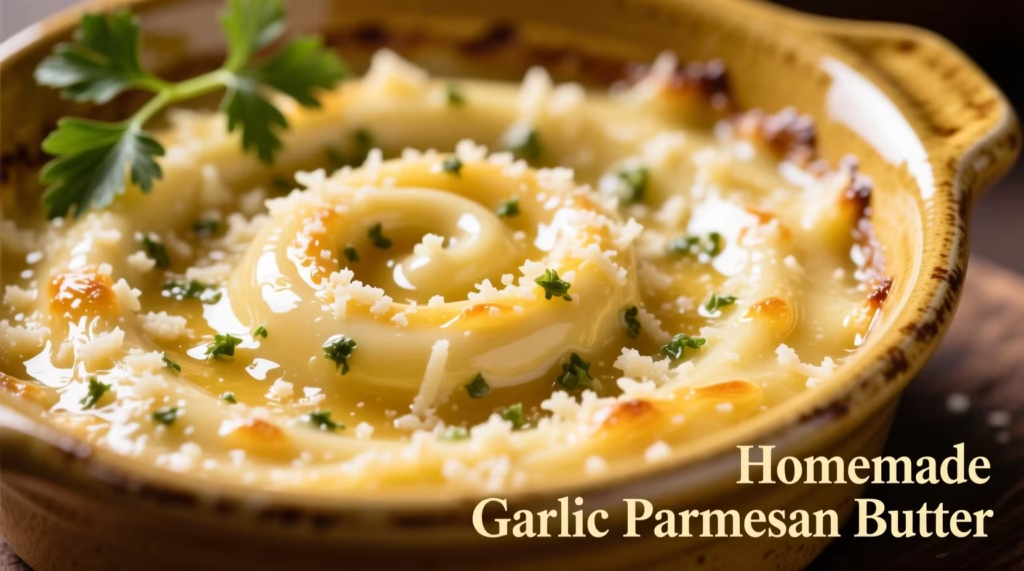
You’ll make a rich compound butter that melts into each oyster, balancing salty Parmesan, bright herbs, and a touch of heat. Go for fresh garlic, real Parmesan, and a good butter base so the sauce bubbles and browns without burning.
Key Ingredients for the Compound Butter
Start with 1 stick (113 g) unsalted butter at room temp. Soft butter mixes smoothly and creates a glossy sauce that won’t separate on the grill.
Add 3–4 minced garlic cloves for bold flavor—press or grate them so the garlic spreads evenly. Fold in 1/2 cup finely grated Parmesan cheese for salt, umami, and a golden crust.
Stir in 1 tablespoon olive oil to loosen the mix and help it spread over the oyster. Season with 1/4 teaspoon black pepper and a pinch of smoked paprika for warmth and a hint of smoke.
Finish with 1 tablespoon minced flat-leaf parsley and 1 teaspoon fresh thyme leaves. The herbs brighten things up and cut through the butter’s richness.
Customizing Your Butter Mixture
Adjust texture and heat to your taste. For a looser butter, add a teaspoon or two more olive oil or a splash of oyster liquor.
Want more heat? Mix in up to 1/4 teaspoon crushed red pepper flakes and maybe a bit more black pepper.
If you like it smokier, bump the smoked paprika by another pinch. For more herb flavor, use extra thyme or a little chopped chive. Finely grated Parmesan melts smoothly; larger shreds give you crunchy spots.
Test changes in small amounts. Mix, taste on a cracker, then tweak. You want a garlic butter that bubbles, browns, and plays nice with the oyster—without stealing the show.
Grilling Oysters to Perfection
Keep the grill hot, the shells steady, and your topping ready. Use medium-high heat, clean grates, and a bed of coarse or rock salt to keep the oysters level while the Parmesan melts to a golden crust.
Setting Up the Grill and Grates

Preheat your grill to medium-high, around 425–450°F. That cooks oysters fast without drying them out.
Clean the grates well to prevent sticking—use a wire brush or a folded paper towel with tongs. Oil the grates lightly with a high-smoke-point oil if you need to help shells slide.
If your grill flares up, move the oysters to indirect heat after the topping bubbles. For stability, spread a layer of coarse salt over a baking sheet or on the grill rack. Nestle each oyster into the salt so they stay upright and don’t spill their liquor.
Arranging and Topping Oysters
Shuck oysters so they sit flat in the bottom shell. Keep as much of the natural liquor as you can—it adds flavor and keeps the meat tender.
Spoon about 1 teaspoon garlic-parmesan butter over each oyster. Use melted butter mixed with minced garlic, parsley, lemon zest, and grated Parmesan. Don’t overload; too much butter will run and burn.
Place oysters on the salt bed or tray in a single layer. Leave space between shells for even heat. If you want a crispier top, sprinkle a little extra Parmesan in the last minute on the grill.
Monitoring Heat and Cook Time
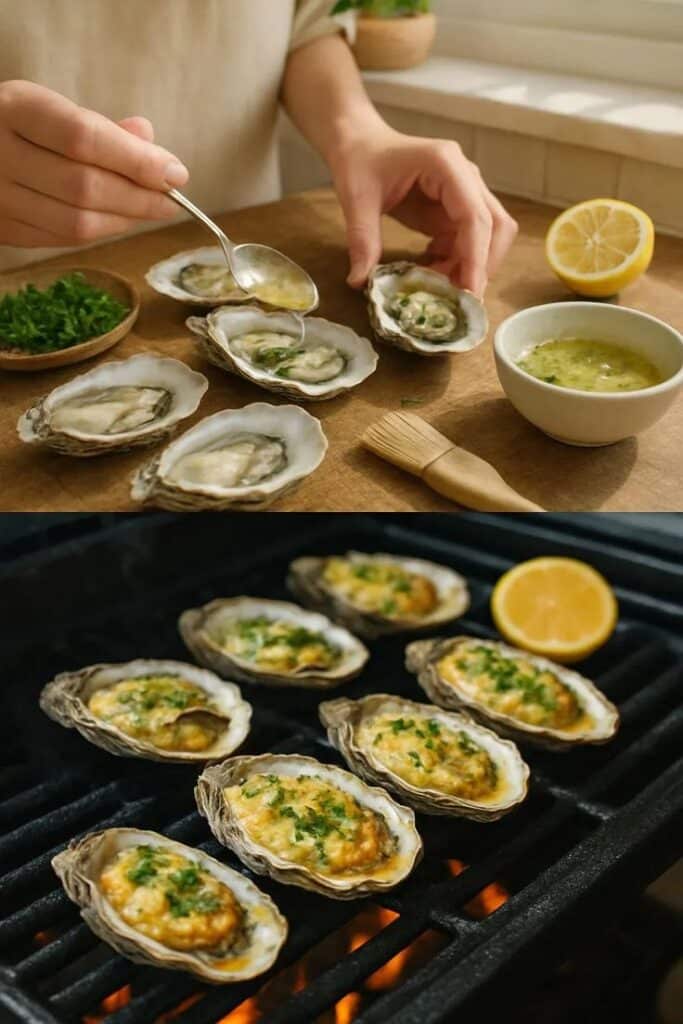

Close the lid to keep the heat steady. Grill oysters 4–6 minutes on medium-high, watching for the Parmesan to bubble and turn golden.
Check one oyster to judge doneness—the edges should firm up, and the topping should look melted and browned. If the topping browns too quickly, move the oysters to a cooler spot or drop the heat a bit.
Serve oysters straight from the grill. Have lemon wedges ready for a bright squeeze right before eating.
Serving, Presentation, and Pairings
Serve oysters hot so the cheese stays crisp and the butter tastes its best. Use bright citrus and fresh herbs to balance the richness. The right drinks can really make the flavors pop.
Garnishes and Final Touches

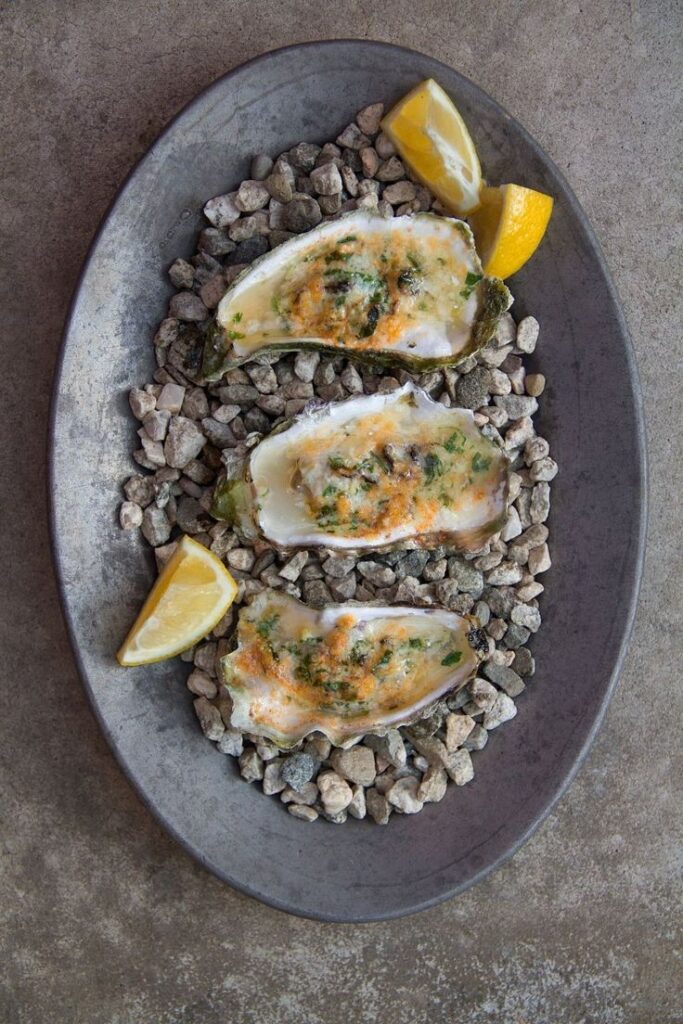
Finish each oyster with a squeeze of lemon or a few drops of lime juice. This quick hit of citrus cuts through the butter and Parmesan, making every bite feel lighter.
Sprinkle chopped parsley over the oysters for a fresh look and mild herb flavor. Want a little extra crunch? Add a dusting of grated Parmesan on top for a golden finish.
Arrange oysters on a tray or a bed of crushed ice if you need to keep some cool. Serve with extra lemon wedges, a bowl of melted garlic butter, and some crusty bread for soaking up those juices.
Wine and Beverage Suggestions
Pour a crisp white like Sauvignon Blanc or Albariño to match the briny, garlicky flavors. These wines bring bright acidity and just enough herbal or citrus notes to lift the whole dish.
If bubbles are your thing, Champagne or a dry sparkling wine works beautifully. The fizz refreshes your palate and keeps things lively.
For non-alcoholic drinks, try sparkling water with lemon or a citrusy iced tea. Keep drinks cold so each oyster stays fresh and vibrant.
Make-Ahead Tips and Storage
Think ahead about what you can prep, how long things last, and the best way to reheat so your oysters always taste great. Prep the butter and shuck carefully; grill only when guests arrive for the best flavor.
Prep-Ahead Strategies
Make the garlic-Parmesan butter up to three days in advance. Cool it, cover tightly, and stash it in the fridge. This step saves time and helps the flavors come together.
Shuck oysters no more than a day before cooking. Keep them cold on ice or in the coldest part of your fridge, in a shallow pan covered with a damp towel. Leave them a bit of airflow—don’t seal them up tight.
If you’re prepping for a party, grate the Parmesan, chop parsley, and portion the butter into a silicone tray or onto parchment. Freeze these for up to a month, then transfer to a zip-top bag. Thaw in the fridge the day you need them.
Storing Leftover Grilled Oysters
Cool leftovers within two hours to keep them safe. Put oysters in a shallow airtight container and refrigerate. Eat within 48 hours for the best texture and flavor.
Don’t freeze grilled oysters—freezing ruins the cheese-butter crust and makes the oyster rubbery when thawed.
Label containers with the date. If you have leftover garlic-Parmesan butter, store it in the fridge for up to three days or freeze it in small portions for a month. Use cooled lemon wedges within a day while they’re still bright.
Reheating and Enjoying Later
Preheat your oven to 350°F (175°C) for gentle reheating. Arrange oysters on a baking sheet, cover loosely with foil, and heat for 6–8 minutes until they’re warmed through. Check one to avoid overcooking.
For a crisper topping, take off the foil for the last minute or two, or run them under the broiler—but keep an eye out, they burn fast.
If you’d rather use the grill, warm it over medium indirect heat for 3–5 minutes. Serve right away with a squeeze of lemon and a sprinkle of parsley. Reheated oysters taste best fresh; don’t reheat them more than once.
Creative Variations and Recipe Twists
Try small swaps to change up the texture and flavor. Pick cheeses and toppings that melt nicely or add a little contrast, and use easy swaps to make the dish gluten-free or lighter.
Alternative Cheeses and Toppings
Swap Parmesan for Pecorino Romano if you want a saltier, sharper bite that still browns well. Grana Padano offers a milder, nuttier finish that melts right into the butter topping.
For a creamier melt, try a little fontina or Gruyère mixed with Parmesan. This combo adds stretch and depth without hiding the oyster’s briny character.
Add crunch with panko or toasted breadcrumbs. If you need gluten-free, use crushed gluten-free crackers or almond meal. Brighten everything with lemon zest, parsley, or a sprinkle of chili flakes for some heat. A splash of white wine or a dash of soy sauce in the butter can bump up the umami, too.
Dietary Modifications
Want to skip dairy? Swap out butter for olive oil or a plant-based spread. Try nutritional yeast for that cheesy vibe instead of Parmesan.
This way, the grilled oysters stay rich but ditch the dairy. For gluten-free folks, steer clear of regular breadcrumbs.
Always check that any cheese or seasoning you grab is actually labeled gluten-free. If you want to cut the fat, just mix less butter with olive oil, or even use a splash of lemon juice and some minced garlic as a lighter coating.
Serving oysters to guests with allergies? Definitely label all the ingredients. Do your best to keep these away from shellfish-free dishes to avoid any cross-contact.
FAQ
What are the key steps to safely shuck oysters?
To shuck oysters safely, use a sturdy oyster knife and a thick towel. Insert the knife at the hinge, twist gently to pop the shell, then slide the knife along the top shell to cut the muscle. Keep the oyster level to preserve the liquor, and wear a glove for safety.
What ingredients go into making the garlic Parmesan butter?
The butter mixture includes unsalted butter, minced garlic, grated Parmesan cheese, olive oil, black pepper, smoked paprika, chopped parsley, and fresh thyme, all blended to create a rich, flavorful topping for the oysters.
How do I grill oysters to get the perfect finish?
Preheat the grill to medium-high, clean the grates, arrange oysters on a bed of coarse salt, spoon the garlic-Parmesan butter on top, and grill for 4–6 minutes until the topping bubbles and turns golden, monitoring closely to prevent burning.
What makes grilled Parmesan garlic oysters special?
Grilled Parmesan garlic oysters combine briny ocean flavor with a smoky, cheesy, and savory topping that is quick to prepare and perfect for any gathering, offering a delightful contrast of tender oyster meat with a crunchy, golden crust.
How do I choose the best fresh oysters?
Select oysters that are firm, with shells that are closed tight or close when tapped, and have a fresh sea smell. Buying only from reputable sources and asking for recent harvest dates will ensure their freshness.