

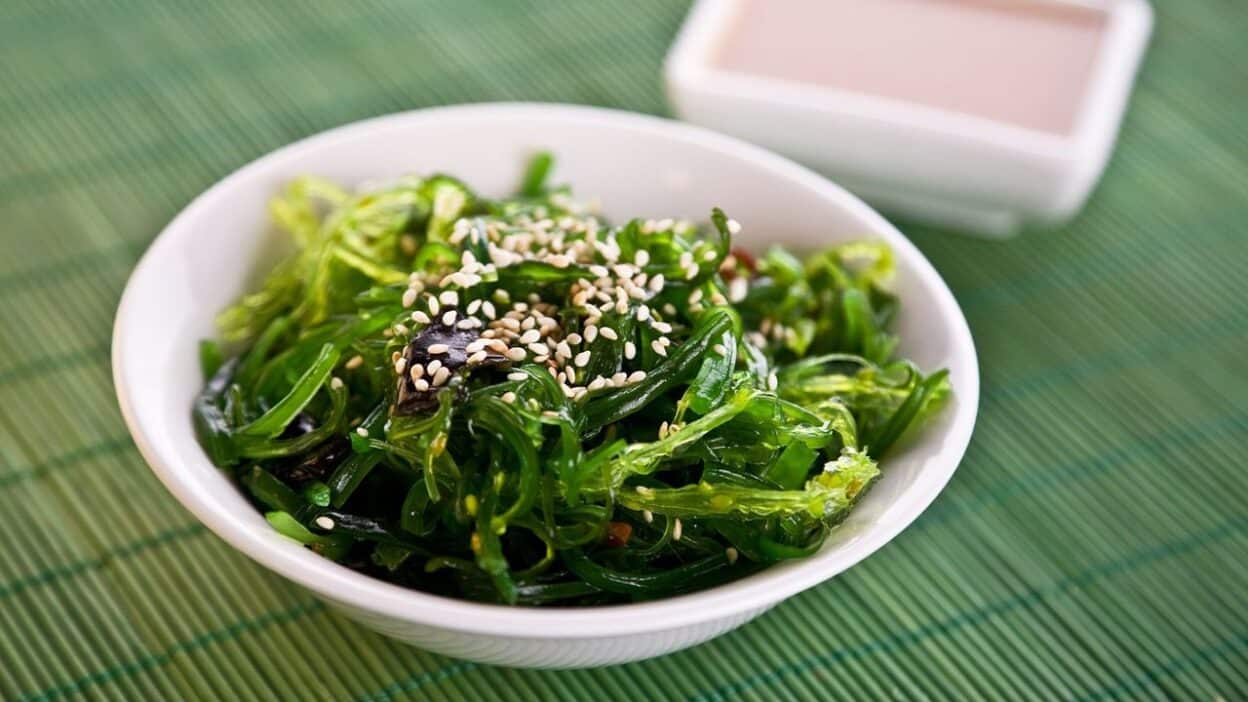
Many people enjoy ice cream without knowing that seaweed plays an important role in making it smooth and creamy. Seaweed is used as a thickening and stabilizing agent in most ice creams, helping to keep the texture just right.
This natural ingredient, often in the form of carrageenan or agar, comes from edible seaweeds. It helps prevent ice crystals from forming and keeps the ice cream soft even after long storage.
So, next time someone mentions seaweed in ice cream, it’s not about taste but about making the dessert better. It’s one of those hidden ingredients that quietly improves a favorite treat.
How Seaweed is Used in Ice Cream

Seaweed helps improve ice cream by making it thicker, smoother, and creamier. It is added in special forms that work well with other ingredients. These forms also help keep ice cream fresh and stable.
Seaweed Extracts as Thickeners
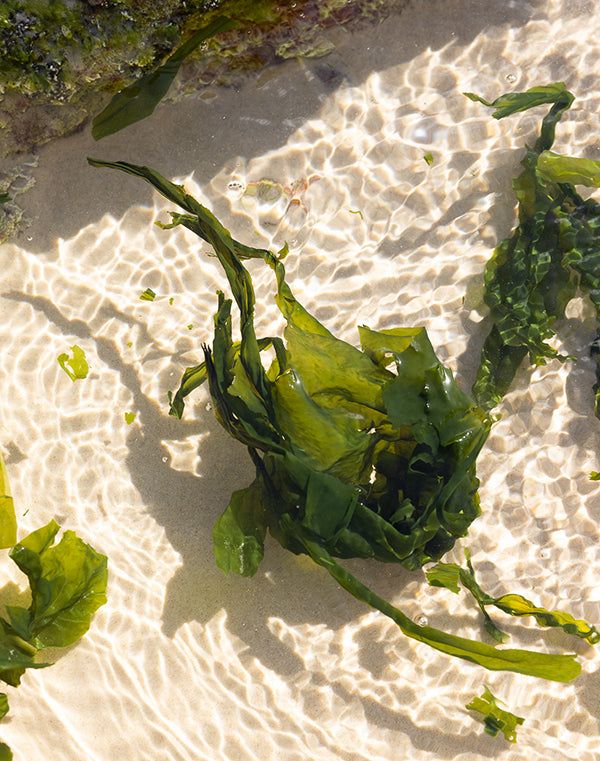
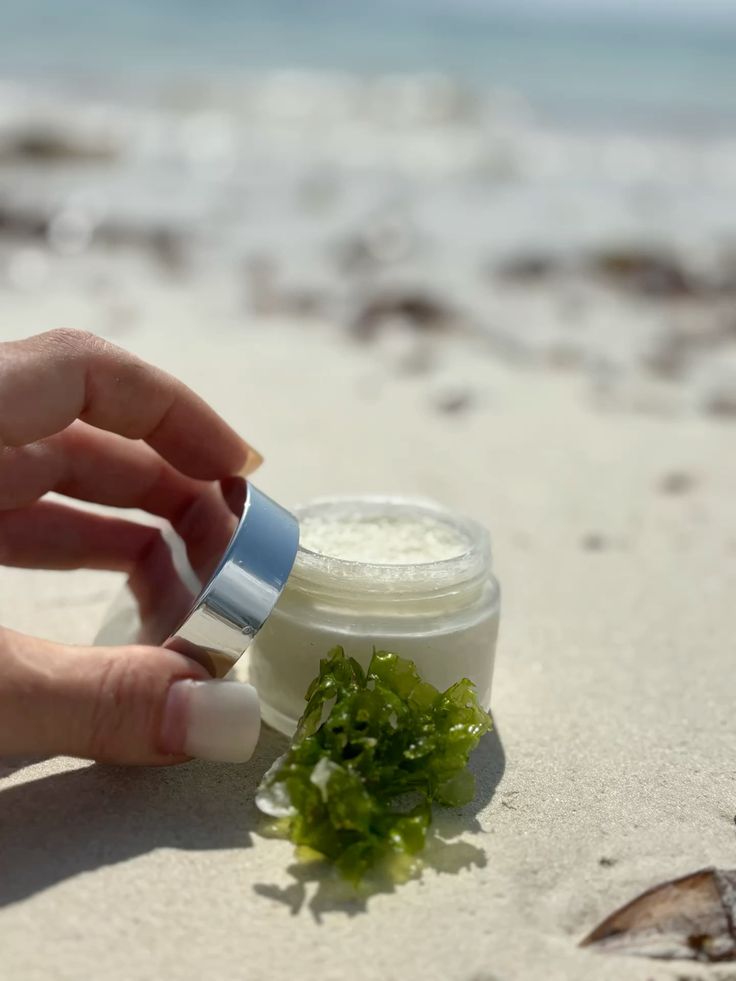
Seaweed extracts like agar and alginate are natural thickeners. They come from types of seaweed such as red and brown seaweed. When added to ice cream, they help make the texture firmer and fuller without changing the flavor.
These extracts absorb water and swell, which thickens the ice cream mix. This keeps the ice cream from becoming too soft or melting too fast. Because they are plant-based, they offer a natural way to improve texture without artificial chemicals.
The Role of Carrageenan
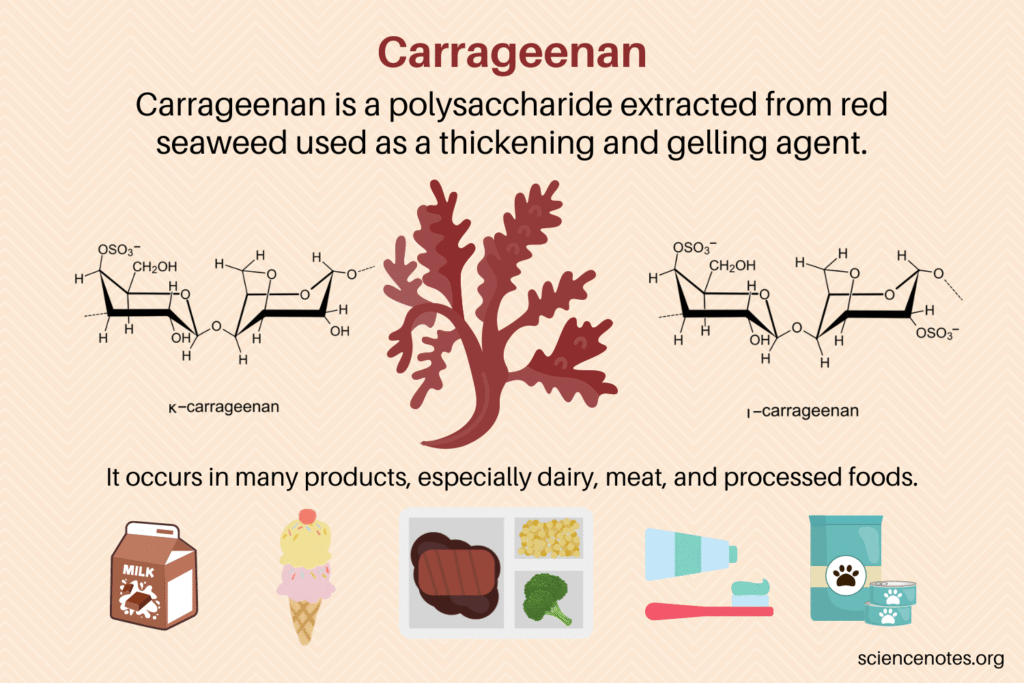
Carrageenan is a common powder made from red seaweed. It is widely used as a stabilizer in ice cream and other dairy products like yogurt and chocolate milk.
Carrageenan works by binding with milk proteins. This stops ice crystals from growing too large while the ice cream freezes. It also prevents ingredients from separating, keeping the mixture smooth and uniform.
Texture and Creaminess Enhancements
Seaweed extracts improve both texture and creaminess in ice cream. They create a thicker mouthfeel and prevent ice crystals from forming, which makes the ice cream smoother.
These ingredients also help trap air during freezing. This makes the ice cream light and fluffy, not heavy or icy. Because of this, seaweed keeps the ice cream enjoyable from the first spoon to the last.
Benefits of Seaweed in Frozen Desserts
Seaweed adds more than just a touch of the ocean to ice cream. It helps keep the texture just right, offers some useful nutrients, and acts as a natural stabilizer to make the dessert smooth and long-lasting. These qualities make seaweed a smart ingredient in frozen treats.
Natural Binding Properties
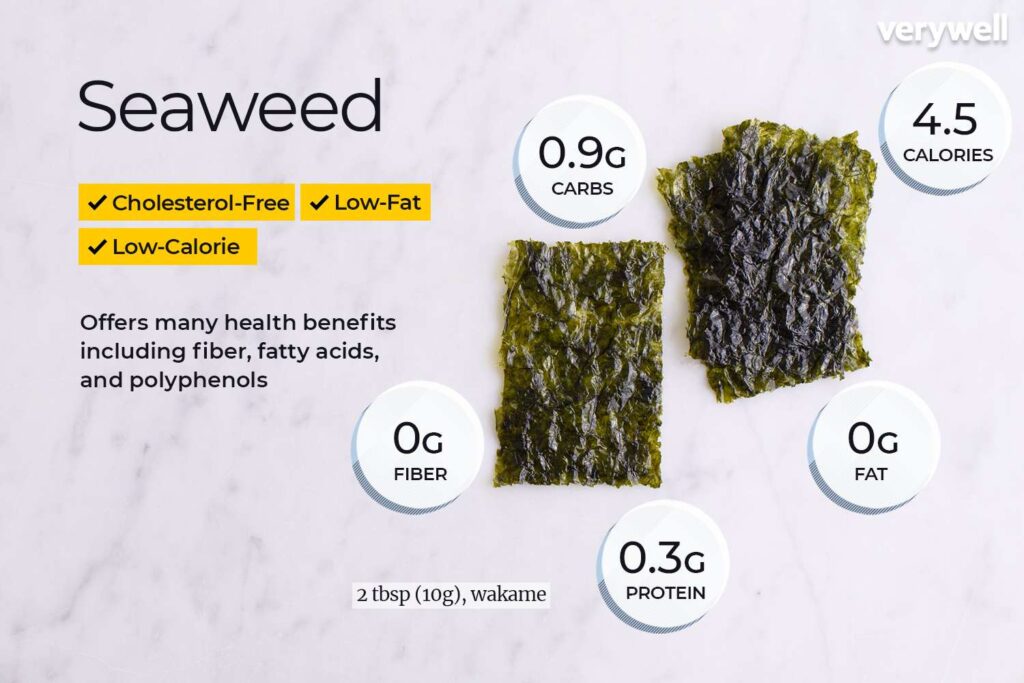
Seaweed contains natural compounds called hydrocolloids. These help bind ingredients together and give ice cream a creamy, smooth feel. They work by trapping water and fat in a way that stops ice crystals from forming.
This means ice cream stays soft longer, even when it warms up a bit. These binding effects also improve the mouthfeel, so the ice cream doesn’t feel icy or grainy. Hydrocolloids like agar and carrageenan come from seaweed and are widely used in ice cream recipes for this reason. They replace synthetic additives with a more natural option.
Nutritional Advantages
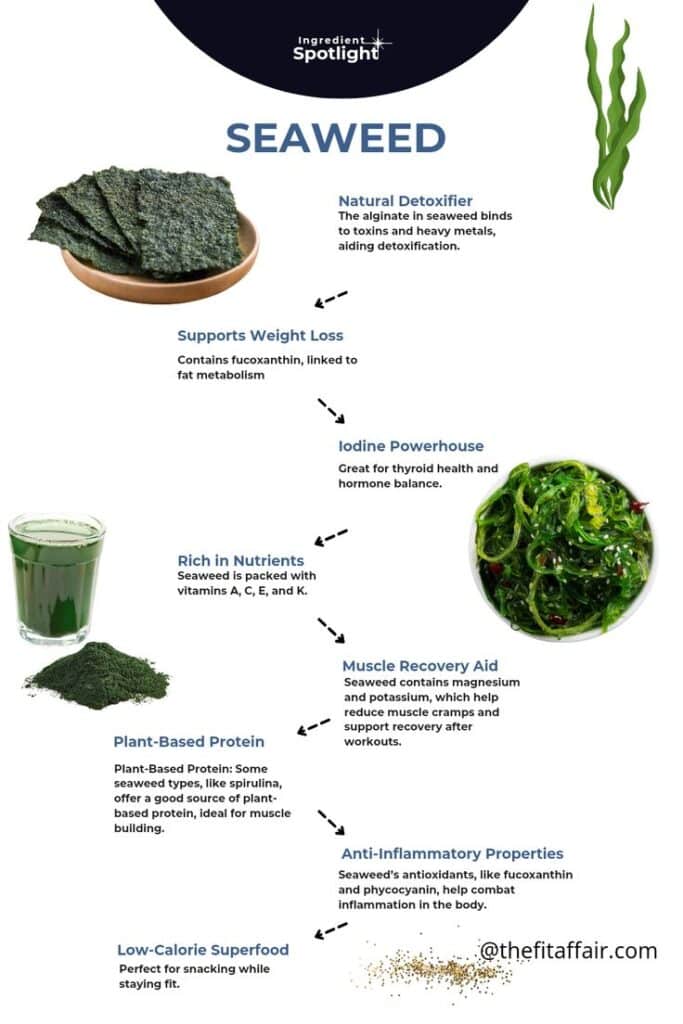
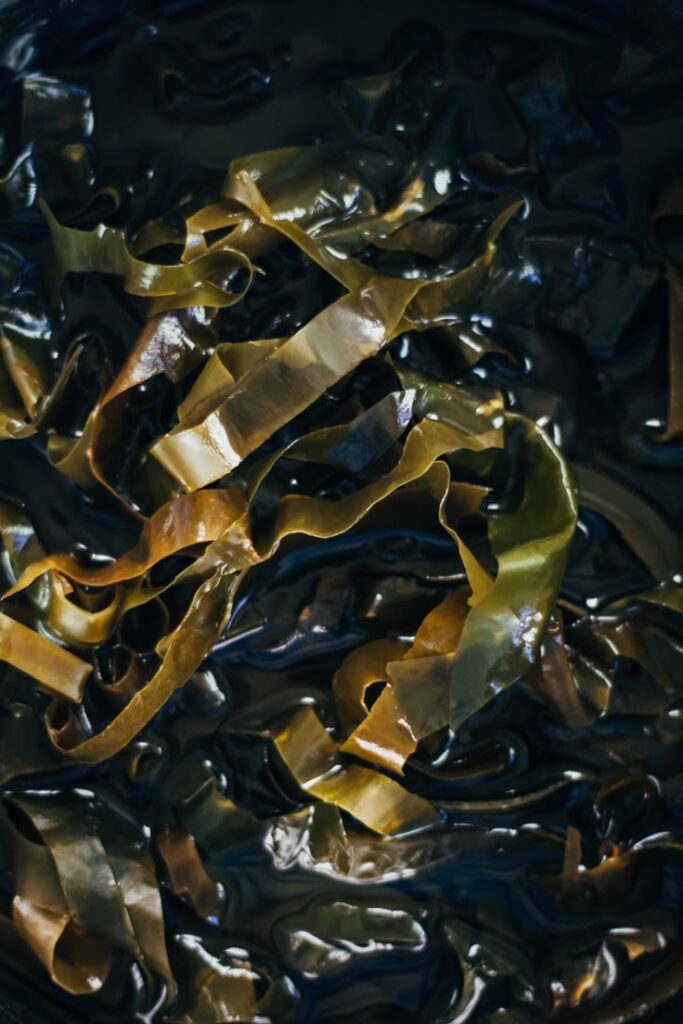
Seaweed is low in calories and rich in nutrients like iodine, vitamins, and antioxidants. While the amount in ice cream is small, it can still add some health benefits.
Iodine helps support thyroid function, which is important for metabolism. Some seaweed types may also aid heart and gut health. Even though frozen desserts are treats, small amounts of seaweed bring a little extra nourishment without changing the taste. It’s like getting a bonus boost of vitamins in a sweet snack.
Stabilizing Ingredients
Seaweed extracts such as carrageenan and agar act as stabilizers in ice cream. They keep the mixture from separating and improve texture.
These ingredients prevent ice cream from melting too quickly by forming a gel-like structure. They help maintain the shape and creaminess even after freezing and thawing cycles. This helps the ice cream last longer in freezers and on shelves.
Stabilizers from seaweed are also suitable for people looking for plant-based or clean-label ingredients. They don’t add calories or flavor but improve the quality without chemicals. This makes seaweed an important ingredient in many commercial ice creams.
Surprising Facts About Seaweed in Food
Seaweed is not just for sushi or salads. It appears in many products to improve texture and keep things fresh. It plays a role in food beyond what most people expect, especially in sweets and everyday items.
Other Everyday Products With Seaweed
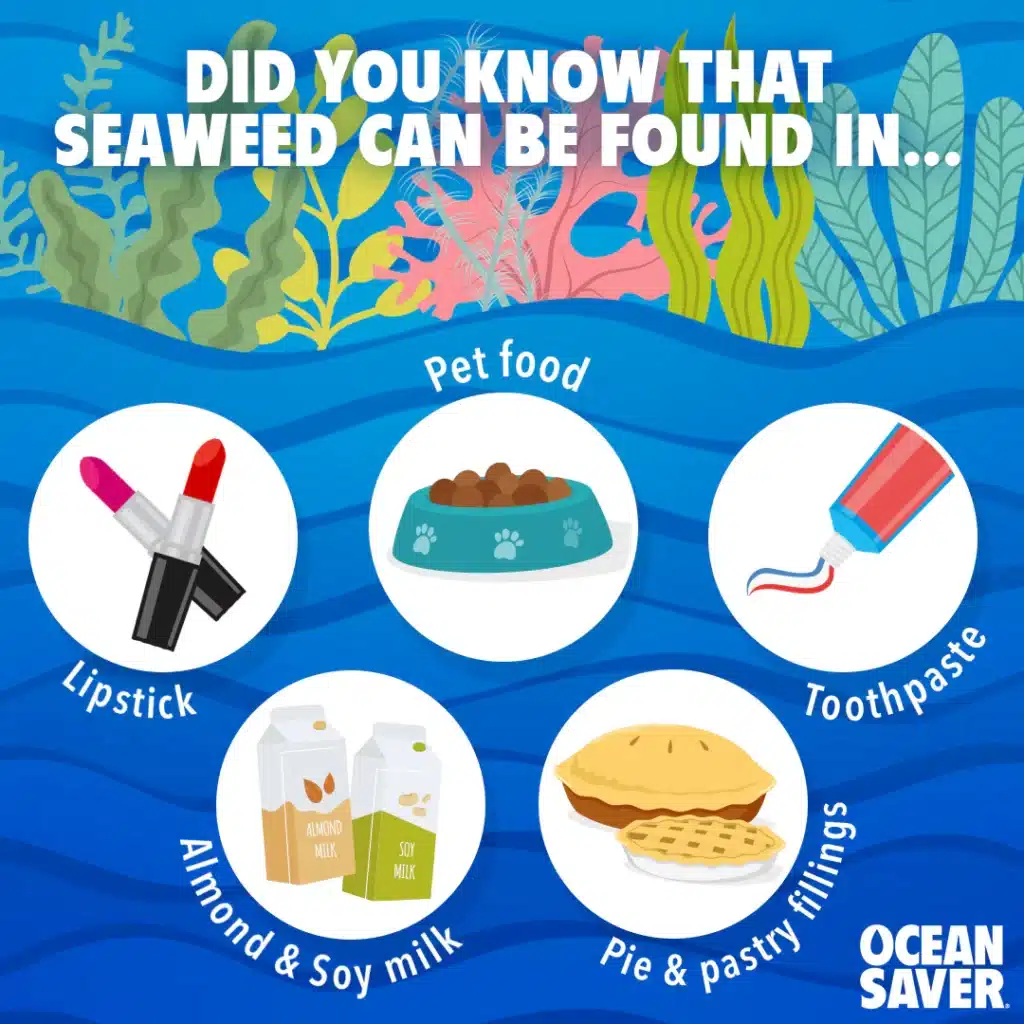
Seaweed extracts like carrageenan, agar, and alginates are often found in common products. These extracts help thicken, stabilize, and keep food smooth. For example, carrageenan is in some toothpastes to give the right feel.
Many processed foods use seaweed-based ingredients. Things like beer, jelly, and dry baking mixes often contain seaweed extracts. This helps products maintain their texture and moisture over time.
Such uses of seaweed are usually safe and fit for everyday consumption. These ingredients help food last longer and taste better without changing the flavor much.
Global Use of Seaweed in Sweets
In ice cream, carrageenan is commonly used as a stabilizer. It binds with water to stop ice crystals from growing, keeping the ice cream smooth. This means a creamier treat that melts evenly.
Some countries also use agar, another seaweed extract, in sweets as a thickener or gelling agent. It helps create the right consistency in desserts without adding fat or sugar.
Interestingly, certain seaweeds can even make ice cream melt slower at room temperature. This shows how versatile seaweed extracts are in sweet treats around the world.