

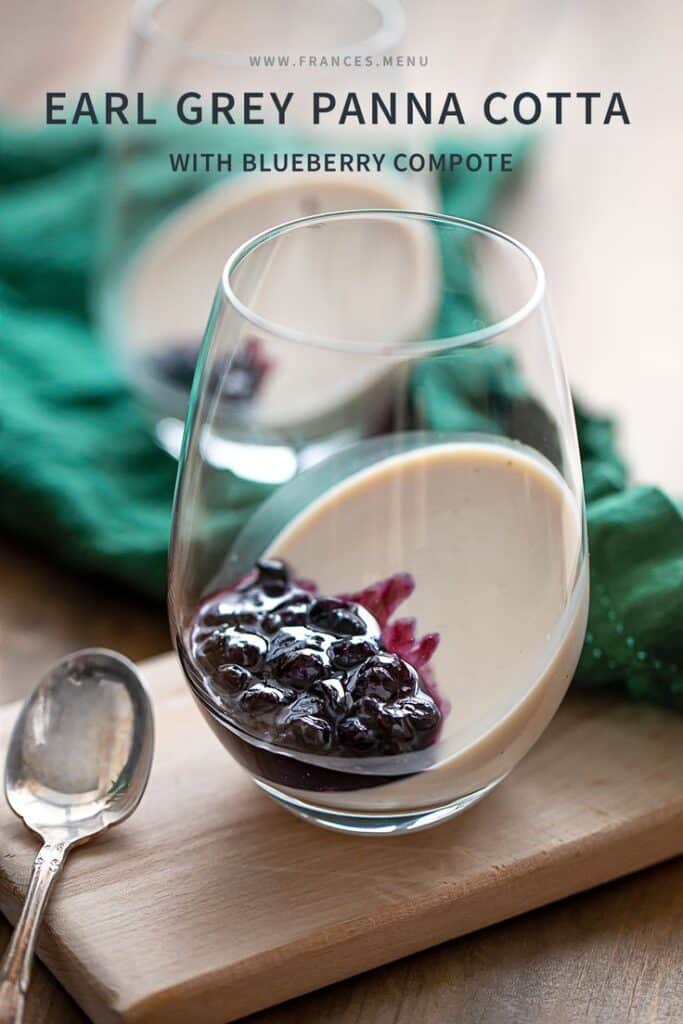
This dessert feels simple, but it looks pretty impressive on the table. Earl Grey panna cotta with blueberry gives you silky, tea-infused cream that pairs perfectly with a bright, slightly tangy blueberry compote for an elegant finish.
Here’s what makes this dish special and how just a handful of ingredients can transform into something memorable. I’ll walk you through easy steps for both the panna cotta and the compote, so you can prep ahead and plate it beautifully.
Want to keep things stress-free and crowd-pleasing? I’ve got quick tips for flavor swaps, storage, and presentation, too. You can find more dessert inspiration here if you’re curious.
What Is Earl Grey Panna Cotta with Blueberry Compote?
This dessert pairs a silky Italian panna cotta infused with bergamot-scented Earl Grey tea and a bright, slightly tart blueberry compote. You get creamy texture, floral tea notes, and a fruity top that cuts the richness.
Origins of Panna Cotta

Panna cotta comes from Italy, specifically the Piedmont region. The name means “cooked cream.”
Traditional panna cotta uses heavy cream, sugar, and gelatin to set into a smooth, custard-like dessert without eggs. You can make it in individual cups or unmold it onto a plate.
It’s popular because you can prepare it ahead; chilling gives it a firm yet wobbly texture. This Italian dessert acts as a blank canvas for flavors, so chefs often add vanilla, citrus, or liqueurs.
In your Earl Grey panna cotta, you still rely on cream and gelatin for that classic richness, but the tea adds a little extra aroma. That’s where the magic happens.
The Role of Earl Grey Tea
Earl Grey brings its signature bergamot oil—a citrusy floral note—into the panna cotta. You steep loose-leaf or tea bags in warm cream so the tea infuses without getting bitter.
Steeping time matters. Too long and it turns astringent, but 15–20 minutes usually hits the sweet spot. Strain out the leaves for a smooth finish.
The tea’s scent lifts the heavy cream and makes the dessert taste lighter, almost more refined. Earl Grey also pairs well with honey or vanilla, which can nudge the sweetness and aroma up a notch.
Why Blueberry Compote Pairs Perfectly
Blueberry compote brings bright acidity and natural sweetness that balance the cream and bergamot. Simmer berries with some sugar, orange zest, and a splash of juice until they break down into a jammy sauce.
Let it cool before serving so it doesn’t melt your panna cotta. The soft texture contrasts with the panna cotta’s silkiness, and the tart berries cut through the richness.
You can keep it simple or mix in grapes or citrus for more complexity. Spoon a few tablespoons over each portion for a fresh, colorful finish.
Key Ingredients for Success
You need balanced tea flavor, the right dairy richness, and reliable gelatin to get a smooth panna cotta and a bright compote. Every choice affects texture and taste, so pick ingredients that work together.
Choosing the Right Earl Grey Tea
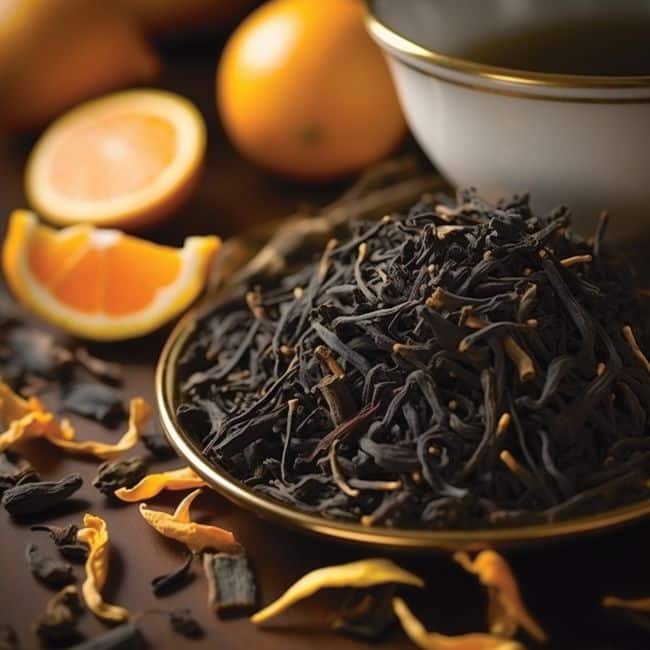
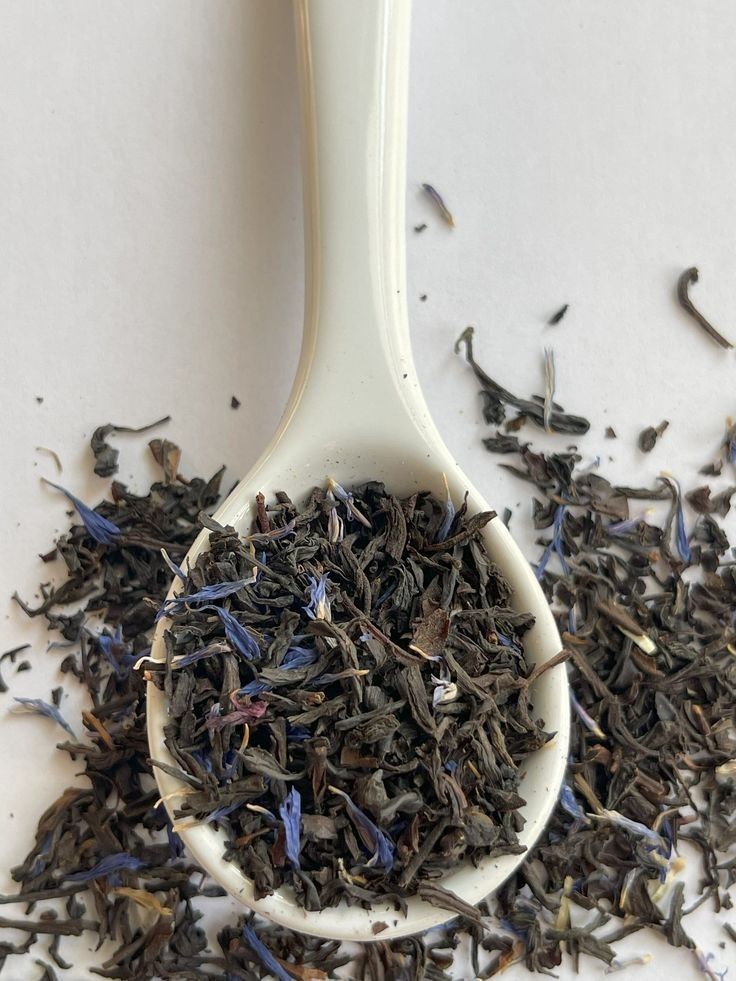
Pick a high-quality Earl Grey with clear bergamot notes. Loose-leaf tea gives a stronger, cleaner flavor than tea bags.
Use about 1 tablespoon loose leaf or 1–2 tea bags per cup of cream for a noticeable but not bitter taste. If your Earl Grey is very floral or blended with extras, cut the steep time to 10–15 minutes.
For a classic profile, choose pure black tea with natural bergamot oil. Skip teas with citrus peels or heavy spices unless you want those flavors in the panna cotta.
Steep the tea in hot cream—never boiling—to extract aroma without scalding. Strain through a fine-mesh sieve or cheesecloth to remove leaves and any oily residue. I like to add a splash of vanilla extract after straining to round out the bergamot.
Selecting Cream and Milk
Use heavy cream for body and whole milk to lighten the texture. A common ratio is 2 parts heavy cream to 1 part whole milk.
That mix gives you a silky set while keeping richness under control. Choose heavy cream labeled 36–40% fat and whole milk at 3.25% fat.
Lower-fat milks make the panna cotta flimsy, and ultra-rich creams can taste a bit cloying. Heat the cream and milk gently with sugar until the sugar dissolves and the mixture steams.
Remove from heat before adding gelatin. Measure sugar carefully—about 1/4 to 1/2 cup per 2 cups cream blend—so the tea and compote still shine.
Stir in vanilla extract with the warm cream to enhance sweetness and balance the bergamot. It’s a small touch, but it makes a difference.
Gelatin Types and Tips
Use unflavored gelatin for a neutral set. Powdered gelatin (about 2½ teaspoons per cup of liquid) is common and easy to bloom.
Sprinkle gelatin over a small amount of cold milk, let it sit 5 minutes, then melt it into warm cream. If you use leaf gelatin, bloom the leaves in cold water, squeeze out excess, and dissolve in the warm cream.
Always make sure the gelatin fully dissolves—tiny granules cause a grainy texture. Don’t boil the mixture after adding gelatin, or it’ll lose its setting power.
Chill panna cotta at least 4 hours, preferably overnight, for best texture. If you want a firmer set for unmolding, bump up the gelatin a bit or reduce the milk.
How to Make Earl Grey Panna Cotta
This recipe breaks down into three steps: flavor the cream with Earl Grey, bloom and add the gelatin, then pour into ramekins and chill. Each step keeps the panna cotta smooth, lightly flavored, and easy to unmold or serve in jars.
Infusing Cream with Earl Grey
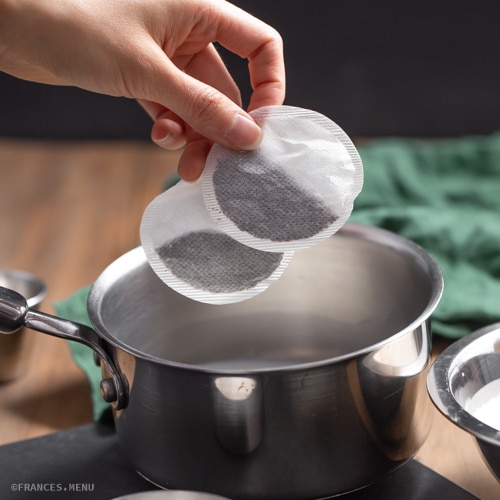
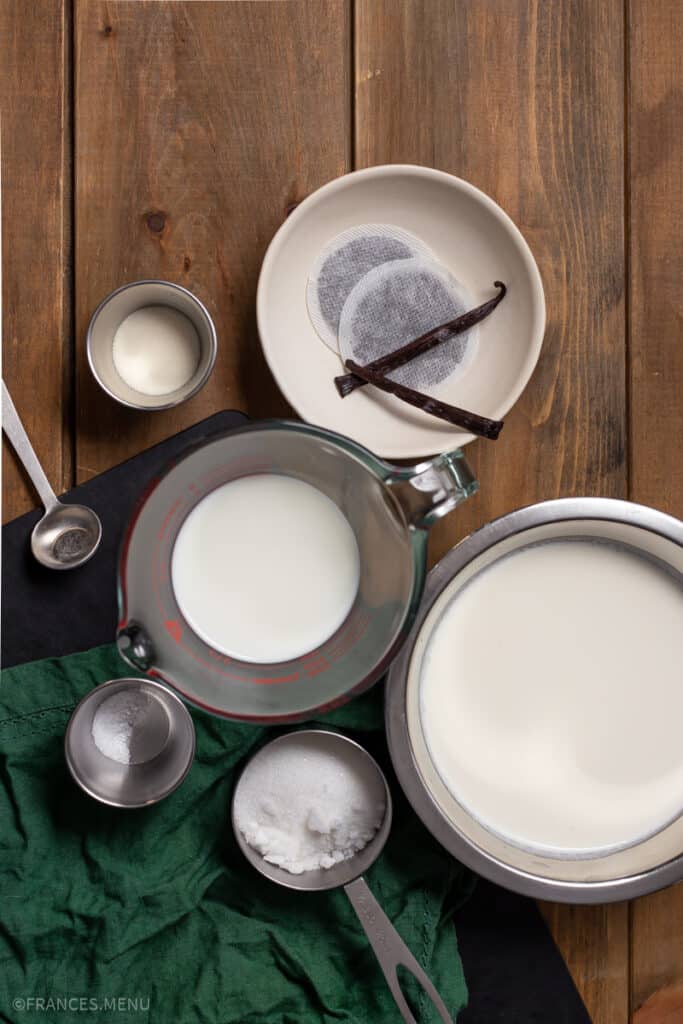
Heat 1 1/2 cups heavy cream and 1/2 cup whole milk with 1/3 cup sugar and a pinch of salt over low-medium heat. Warm until small bubbles form around the edge—don’t let it boil.
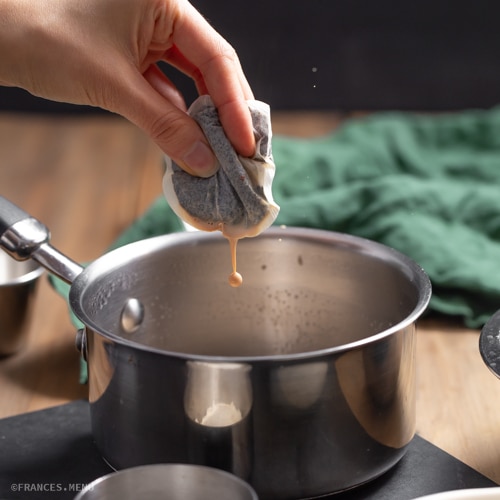
Add 2 tablespoons loose-leaf Earl Grey in a tea infuser or muslin bag. Steep for 4–6 minutes, tasting at 4 minutes.
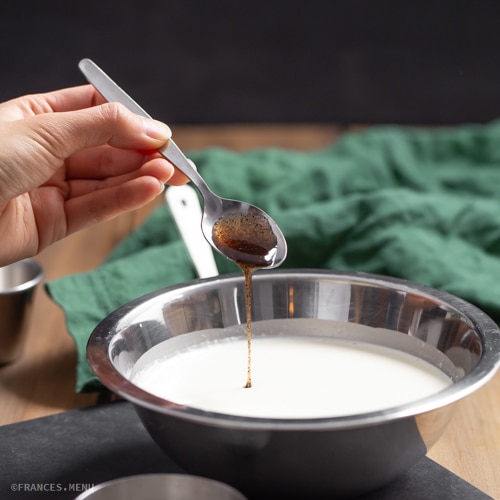
Steep longer for stronger bergamot, but don’t overdo it, or you’ll get bitterness. Remove the tea and stir in 1 teaspoon vanilla extract.
Keep the mixture warm while you prep the gelatin so the cream stays fluid and easy to combine with the bloomed gelatin.
Blooming and Incorporating Gelatin
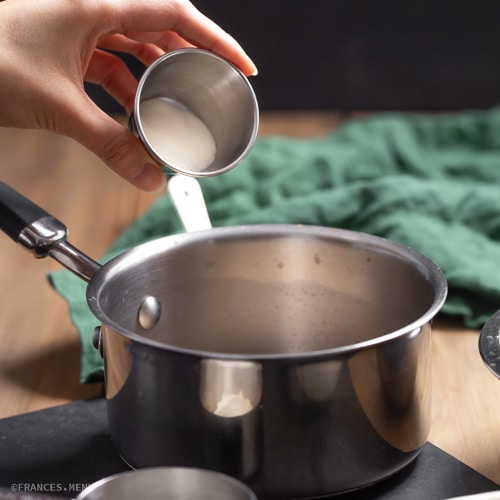
Place 1 cup cold milk in a small bowl and sprinkle 2 1/4 teaspoons unflavored gelatin evenly over the surface. Let it sit 3–5 minutes until the granules swell and a jelly-like film forms.
Return the infused cream to very low heat. Add the bloomed gelatin to the warm cream and whisk until fully dissolved and smooth.
Don’t boil after adding gelatin—it’ll break down the setting power. Check for undissolved grains by rubbing a little between your fingers; it should feel smooth.
If needed, strain the mixture through a fine sieve into a pouring jug to ensure your Italian panna cotta has a silky, creamy texture.
Pouring and Setting in Molds
Set ramekins, small jars, or glasses on a tray. Pour the panna cotta mixture evenly into each mold while still warm.
Fill to the rim for smooth tops. Chill in the refrigerator for at least 4 hours, preferably 6, until the panna cotta feels set but still slightly wobbly in the center.
To unmold, dip the ramekin base in warm water for 5–8 seconds, then run a thin knife around the edge and invert onto a plate. Serve chilled with a spoonful of blueberry compote on top or alongside.
The berry topping brightens the rich, cooked-cream texture and complements the bergamot in your Earl Grey panna cotta recipe.
Preparing the Blueberry Compote
This compote should be bright, lightly thickened, and balanced between sweet and tangy. Use fresh or frozen berries, a bit of sugar, and lemon for brightness.
Cook just until the berries soften and release their juices. It’s not complicated, but the freshness really matters.
Choosing Fresh or Frozen Blueberries
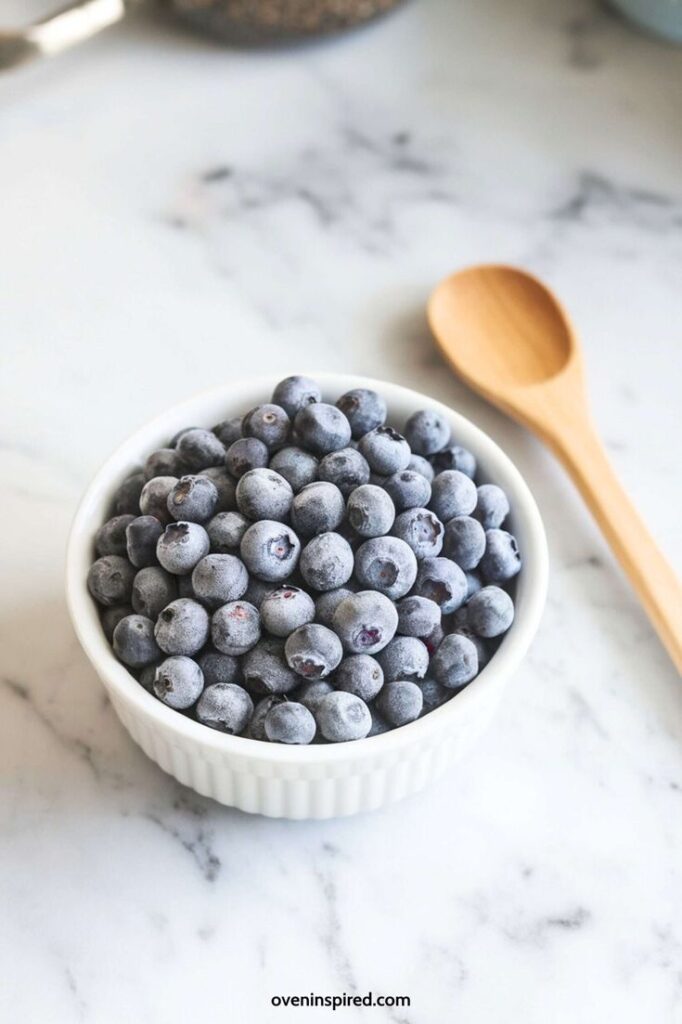
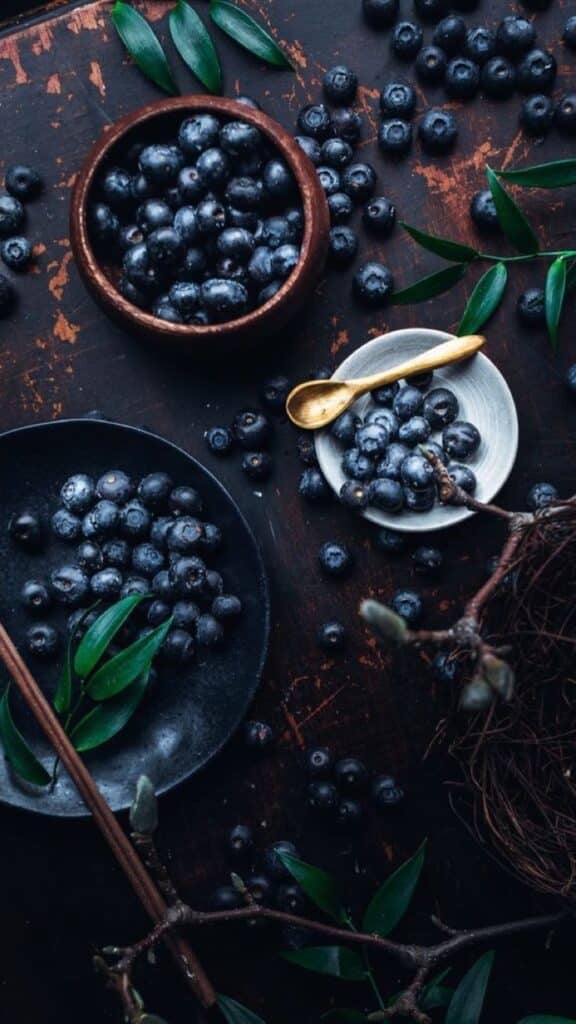
Use fresh blueberries when they’re in season for the best texture and flavor. Pick berries that are plump, firm, and deep blue with a silvery bloom—toss any that are soft or moldy.
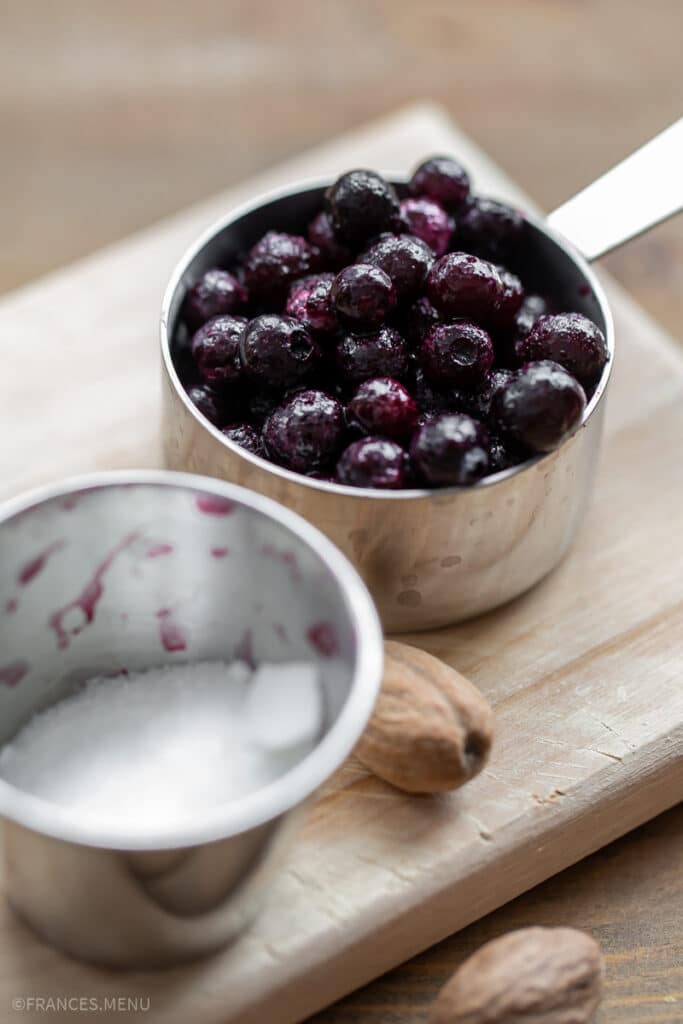
Frozen blueberries work well year-round and give a more uniform cooked texture. Don’t thaw them first; just add them straight to the pot to avoid extra water.
Measure by weight or cups: 3 cups fresh or frozen yields about 2 to 2.5 cups cooked compote. If you want a chunkier compote, mash fewer berries.
For a smoother sauce, mash while cooking or pulse briefly with an immersion blender. Either way, the compote pairs well with the silky panna cotta because it adds fruit freshness and color.
Cooking the Compote
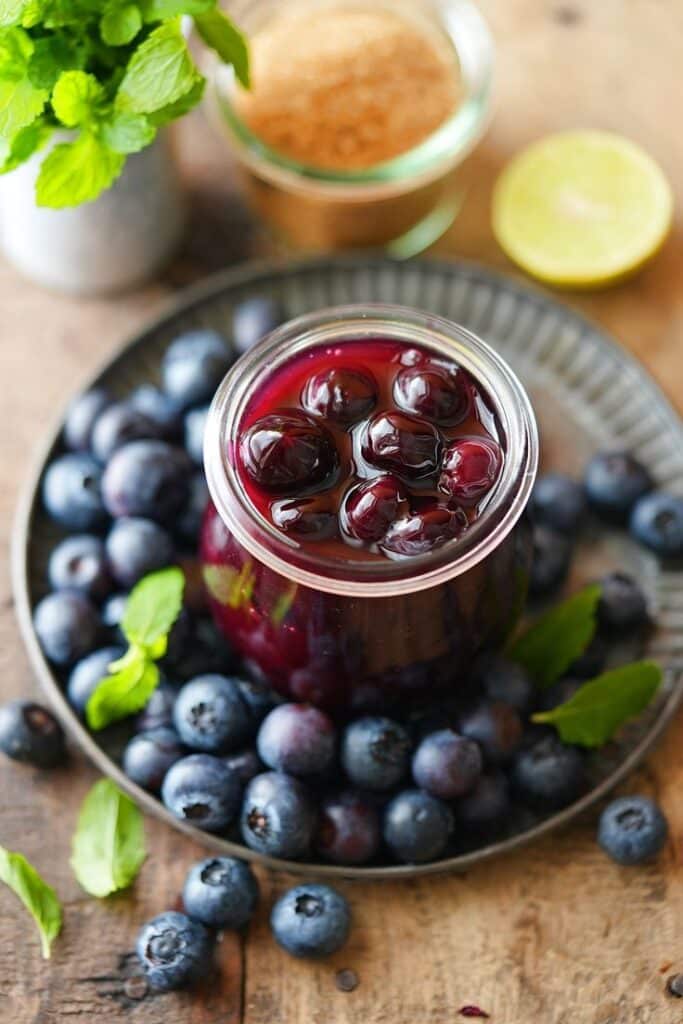
Combine berries, sugar, and a splash of lemon juice in a medium saucepan. Start with 1/4 cup sugar for 3 cups of berries, then adjust after tasting.
Add 1 tablespoon of water if the fruit is very dry. Bring to a gentle simmer over medium heat.
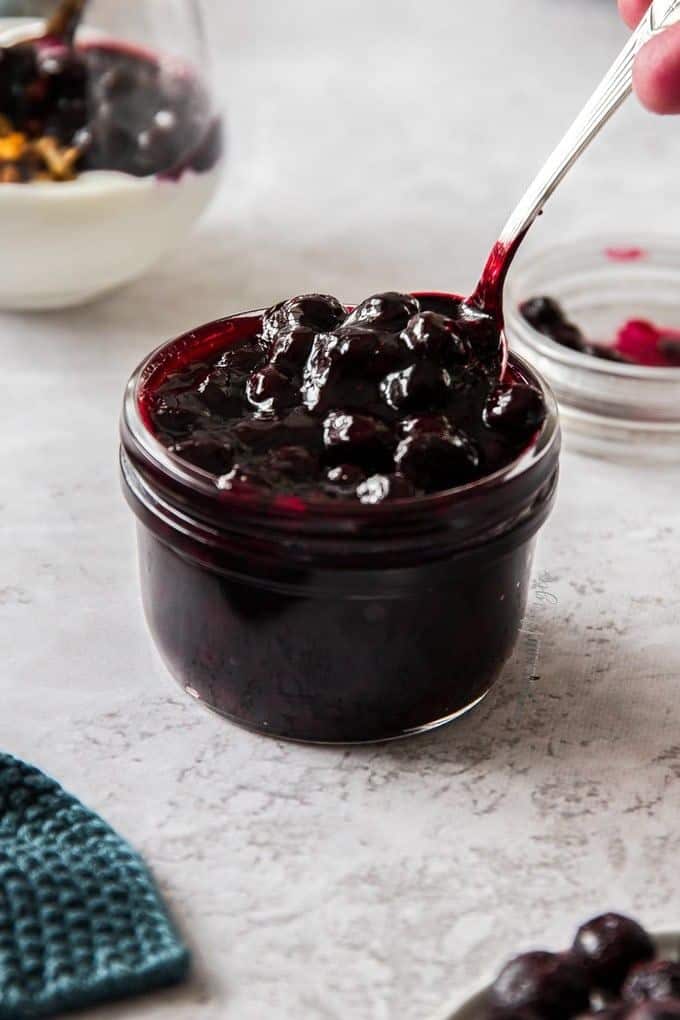
Stir occasionally and cook 6–10 minutes until berries soften and skins split. Press some berries with the back of a spoon to release juices and thicken slightly.
If you want a thicker compote, simmer a few minutes longer or add 1 teaspoon cornstarch mixed with 1 tablespoon cold water and stir in. Remove from heat and stir in lemon zest or a pinch of cinnamon if you like.
Let the compote cool; it will thicken as it chills. Cool completely before spooning over chilled panna cotta.
Balancing Sweetness and Acidity
Start with moderate sugar and adjust to taste—blueberries vary in sweetness by season. Taste the warm compote and add more sugar in small amounts if needed.
Add lemon juice a teaspoon at a time to lift the flavor without making it sour. For a bright note, use both lemon juice and a teaspoon of lemon zest.
If the compote tastes flat, a tiny pinch of salt (about 1/8 teaspoon) will enhance fruit flavor. If the compote becomes too sweet, balance it with extra lemon juice or a splash of balsamic vinegar (start with 1/4 teaspoon).
Keep tasting as you adjust so the final compote complements the subtle Earl Grey panna cotta without overpowering it. Don’t rush this part; it’s worth getting right.
Serving and Presentation Tips
Serve chilled panna cotta straight from the fridge or gently unmold for a cleaner look. Focus on neat edges, a glossy compote spooned lightly, and simple garnishes that echo the flavors.
Unmolding and Plating
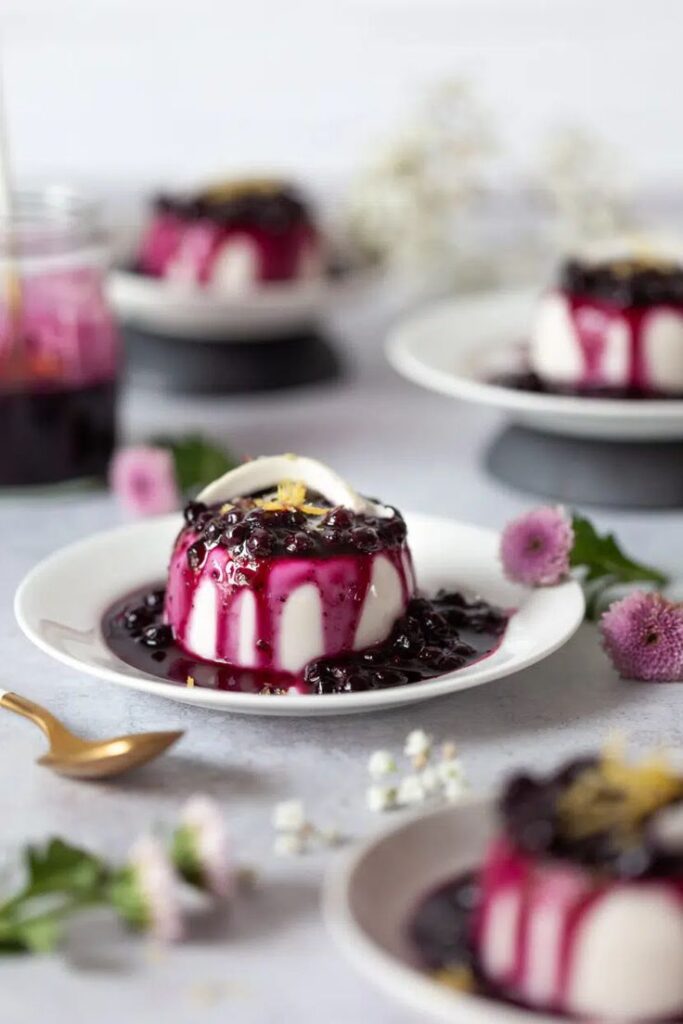

If you set the panna cotta in ramekins, run a thin knife around the edge to loosen the custard. Dip the ramekin base in warm water for 5–10 seconds—don’t submerge—to loosen the panna cotta without melting it.
Invert onto a plate and lift the ramekin straight up. For a quick option, serve in the ramekin.
It’s a simple dessert presentation that keeps clean lines and is easy to transport. When plating unmolded panna cotta, place it slightly off-center and spoon a small pool of blueberry compote to one side.
Use a spoon to make a controlled smear or leave a neat dollop. Wipe any stray sauce with a clean towel for a professional look.
Garnishing for an Elegant Finish
Pick garnishes that match the flavors. A few fresh blueberries, a thin strip of orange zest, or a tiny sprig of mint usually work great.
Scatter three to five berries on top of the compote, or line them up along the smear for some balance. Keep the garnish small so it doesn’t take over the panna cotta.
For texture, dust lightly with powdered sugar or add a single crushed biscuit crumb at the base. If you’re after a bit of height, lean a crisp tuile diagonally against the dessert.
These little touches make the panna cotta with blueberry compote look elegant but still simple and true to the flavors.
Flavor Variations and Customization
You can swap out the tea, fruit, or dairy to match your taste or dietary needs. Even small changes keep the panna cotta’s texture but can totally shift the flavor.
Alternative Tea and Fruit Pairings
Try switching Earl Grey for another tea to change the aroma and pairing. Jasmine green tea gives a floral, lighter panna cotta that goes nicely with lychee or peaches.
Strong black teas like Assam or Darjeeling bring a bolder taste—pair those with caramelized apples or fig compote. For a citrusy vibe, steep green tea with lemon zest and top with mango or blood orange.
Want something mellow? Use a single herb tea like chamomile or rooibos. These play well with berry or pear compotes.
When you try a new tea, steep it for three to five minutes in the warm cream, then taste it before setting. Adjust the sugar by a tablespoon at a time if the tea changes the sweetness.
Making it Dairy-Free
Full-fat canned coconut milk works well to mimic creaminess. Mix one part coconut milk with one part oat or almond milk to keep the flavor balanced and the texture creamy.
Heat and bloom gelatin as usual, or swap in agar-agar (just follow the package, since agar sets firmer and needs boiling). Go for unsweetened, unflavored plant milks so you control the sweetness.
If you use agar, dissolve it in hot liquid and simmer for a minute or two, then pour into molds quickly before it sets. For toppings, stick with a fruit compote made with maple syrup or coconut sugar to keep the whole dessert dairy-free and balanced.
Storage, Make-Ahead, and Leftovers
Keep chilled panna cotta and compote separate if you can. Use airtight containers, label with the date, and aim to eat within a few days for the best texture and flavor.
How to Store Panna Cotta and Compote
Store panna cotta in the fridge at 34–40°F (1–4°C). Cover each ramekin or mold tightly with plastic wrap, or pop them in an airtight container so they don’t pick up fridge smells or form a skin.
Try to use panna cotta within three days for the best texture. Gelatin can start to break down after that.
Keep blueberry compote in a sealed jar or container in the fridge. It usually stays good for five to seven days.
If the compote smells off, shows mold, or gets slimy, just toss it. For longer storage, freeze compote in a freezer-safe container for up to three months.
Thaw it in the fridge and stir it before serving. When you’re ready to plate, spoon chilled compote over the panna cotta right before serving. That helps keep the panna cotta firm and the compote’s color bright.
Tips for Making in Advance
Make the panna cotta up to 48 hours ahead if you want to save time. Pour the set cream into glasses or molds, cover them, and stash them in the fridge.
This way, you won’t stress about dessert on the day of your event. Prepare the blueberry compote a day or two in advance so the flavors have time to come together.
Let the compote cool completely before sealing it up in the fridge. If you’re freezing compote, ensure it’s fully cooled and leave a little space at the top of the container; otherwise, you might end up with a mess.
When transporting panna cotta, keep it upright in a cooler with ice packs. Add the compote right before serving.
To rewarm frozen compote, heat it gently in a small saucepan over low heat. Let it cool a bit before spooning onto the chilled panna cotta.
FAQ
What is Earl Grey panna cotta with blueberry compote?
Earl Grey panna cotta with blueberry compote is a dessert featuring silky Italian-style cream infused with bergamot-scented Earl Grey tea, paired with a bright, tangy blueberry topping for an elegant finish.
How did panna cotta originate?
Panna cotta originates from Italy, specifically the Piedmont region; its name means ‘cooked cream,’ and it’s made from heavy cream, sugar, and gelatin, with no eggs.
Why is Earl Grey tea used in this panna cotta?
Earl Grey tea adds a distinctive bergamot aroma that infuses into the cream, giving the dessert a floral, citrusy flavor that elevates the classic panna cotta.
What makes blueberry compote a perfect pairing for this dessert?
Blueberry compote provides a bright, slightly tart flavor that balances the richness of the panna cotta, with its soft texture offering a pleasant contrast and fresh fruity note.
How can I prepare and serve Earl Grey panna cotta with blueberry compote in advance?
You can prepare the panna cotta up to 48 hours ahead by pouring the mixture into molds and chilling. The blueberry compote can be made a day or two in advance, kept in the fridge, and added just before serving for a beautiful and stress-free presentation.