
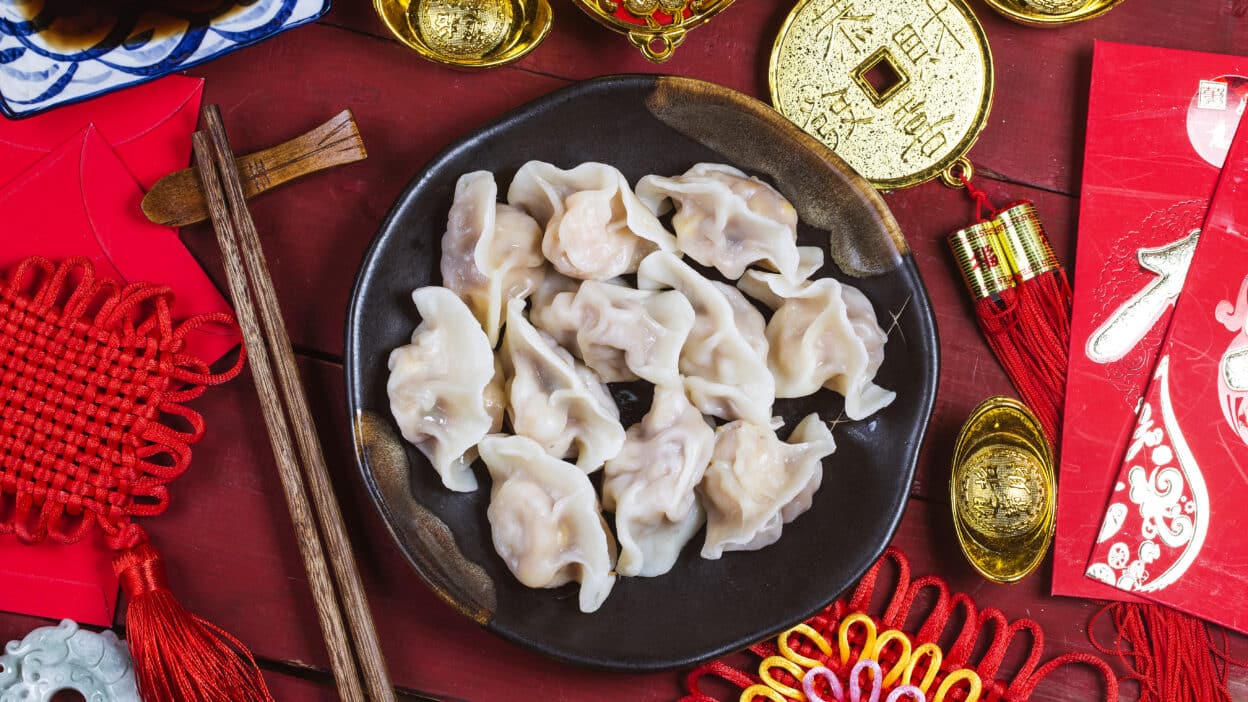
Chinese New Year, also known as Lunar New Year or Spring Festival, is one of the most important celebrations in Chinese culture. At the heart of the festivities is food, with each dish carrying deep symbolic meaning tied to luck, prosperity, longevity, and happiness for the year ahead. From dumplings shaped like ancient gold ingots to long noodles symbolizing a long life, Chinese New Year dishes are chosen intentionally—not just for flavor, but for what they represent. In this guide, we’ll explore the top 5 Chinese New Year dishes, explain their meanings, and share why they continue to be must-haves at reunion dinners around the world.
Why Food Matters So Much During Chinese New Year
Chinese New Year meals are about more than nourishment. They are a way to:
- Honor tradition and ancestors
- Welcome, good fortune and success
- Bring family together around a shared table
- Symbolize hopes for the year ahead
Many dishes are chosen because their names sound like lucky words in Chinese, while others represent abundance, unity, or long life through their shape and ingredients.
Top 5 Chinese New Year Dishes
1. Dumplings (Jiaozi)
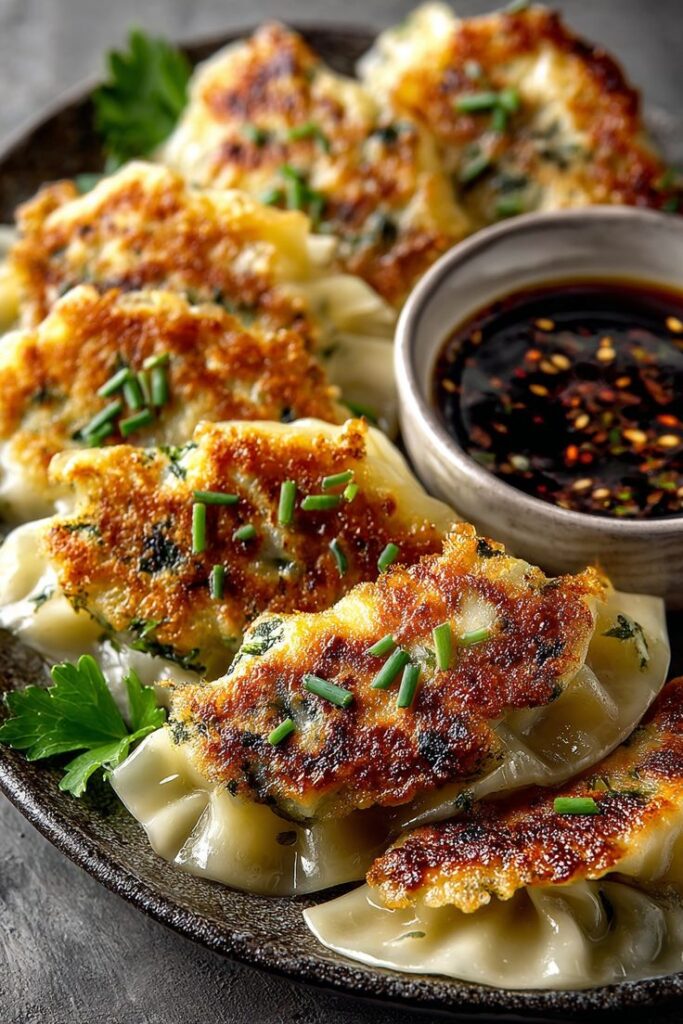
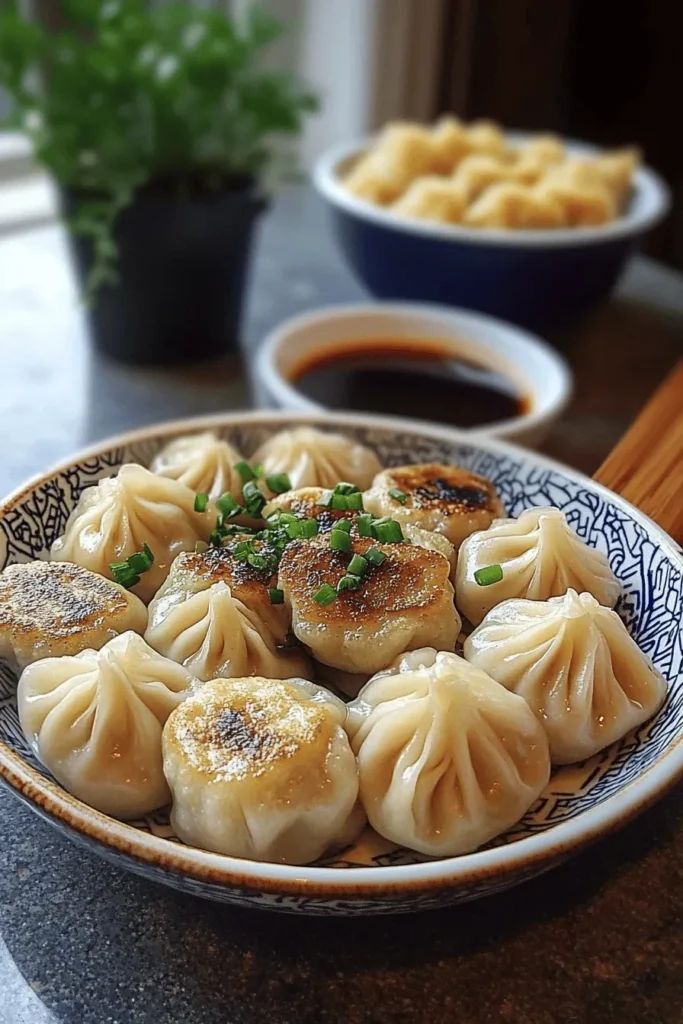
Dumplings are arguably the most iconic Chinese New Year dish, especially in northern China.
Symbolism:
Dumplings are shaped like ancient Chinese gold and silver ingots, making them a symbol of wealth and prosperity. The belief is that the more dumplings you eat, the more money you’ll make in the coming year.
Why They’re Popular:
- Easy to make in large batches
- Perfect for family participation
- Can be filled with meat, seafood, or vegetables
Some families even hide a coin inside one dumpling—whoever finds it is said to have extra luck for the year.
2. Whole Fish (Yu)
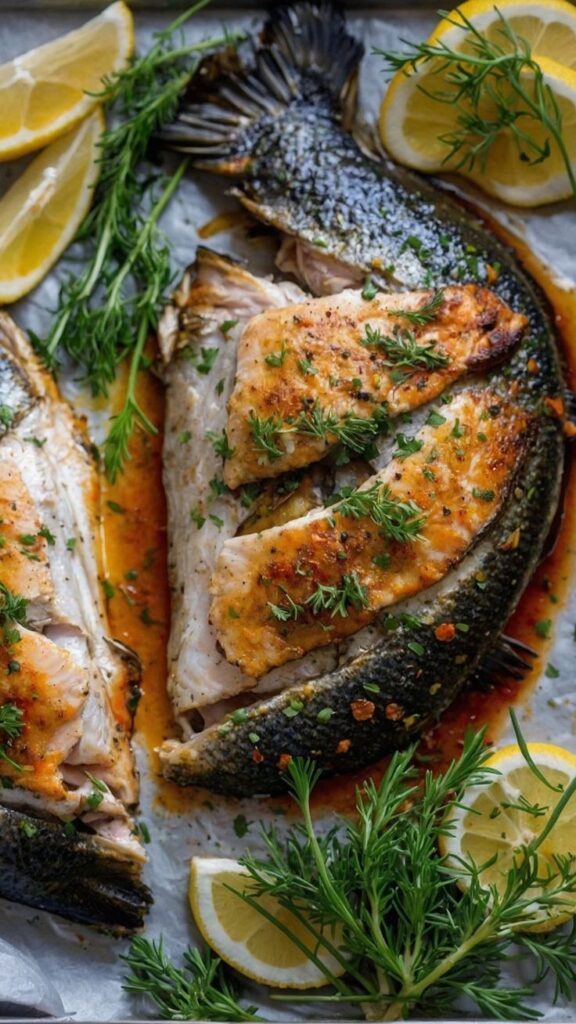
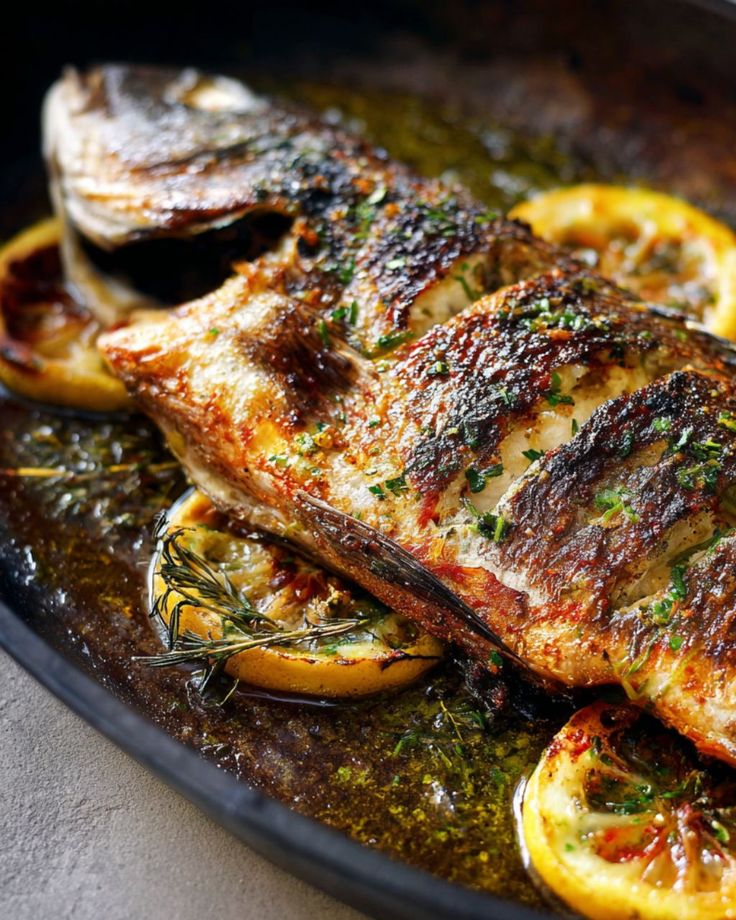
Serving a whole fish is essential for a traditional Chinese New Year meal.
Symbolism:
The Chinese word for fish, yu, sounds like the word for surplus. Eating fish represents having more than enough—financially and emotionally—at the end of the year.
How It’s Served:
- Steamed with ginger and scallions
- Presented whole, with head and tail intact
- Often not fully eaten to ensure leftovers (symbolizing surplus)
Traditionally, the fish is served last and sometimes left partially untouched to carry abundance into the new year.
3. Longevity Noodles (Changshou Mian)
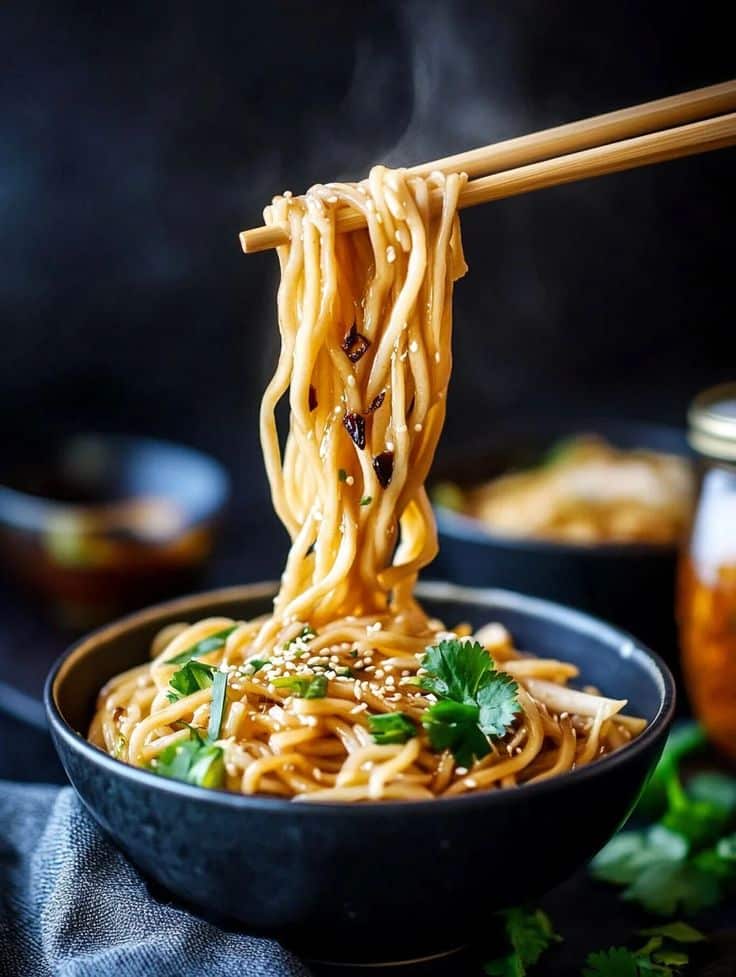
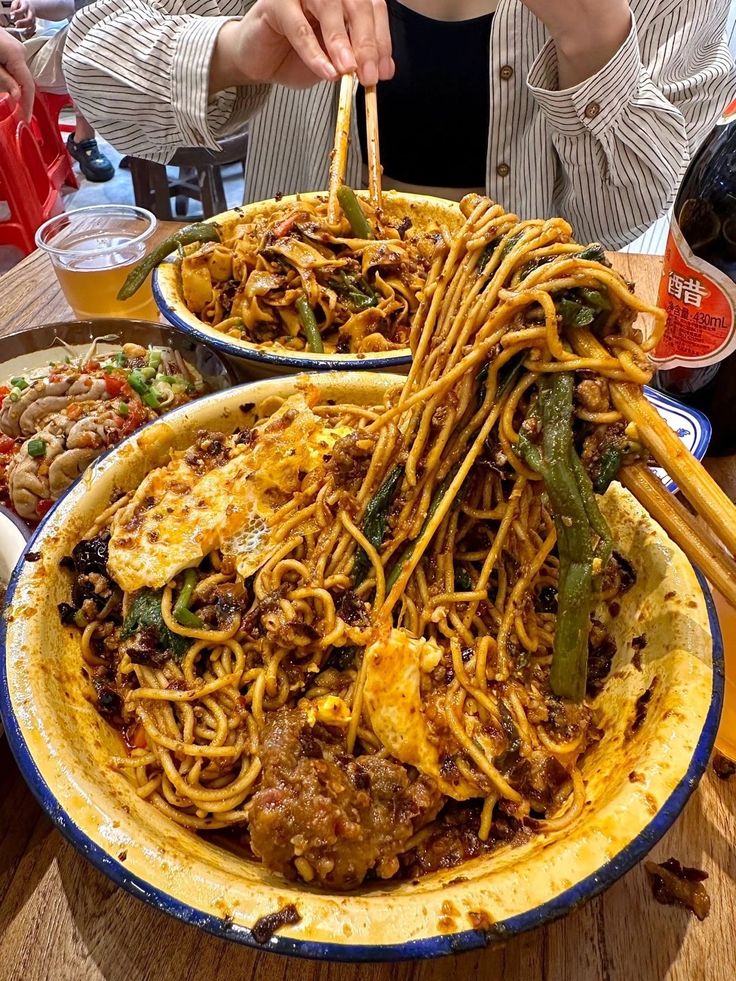
Longevity noodles are long, uncut wheat noodles served during Chinese New Year and birthdays.
Symbolism:
The length of the noodles represents long life and good health. Cutting or breaking them is considered bad luck.
Preparation Styles:
- Stir-fried with vegetables and meat
- Served in broth
- Tossed with soy sauce, sesame oil, and aromatics
The longer the noodle, the stronger the blessing.
4. Spring Rolls
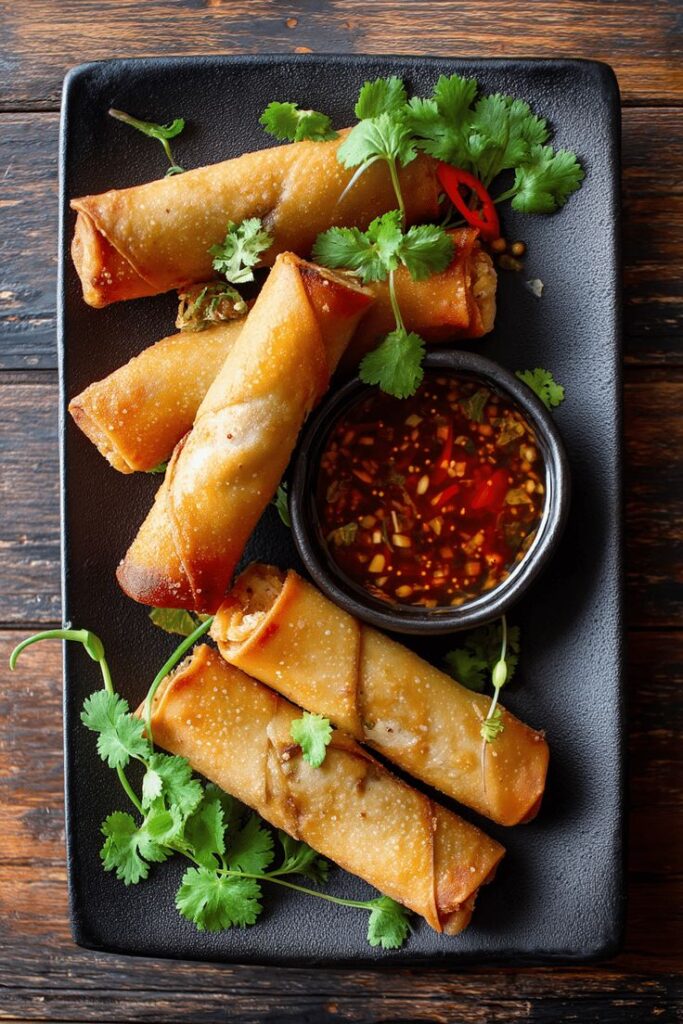
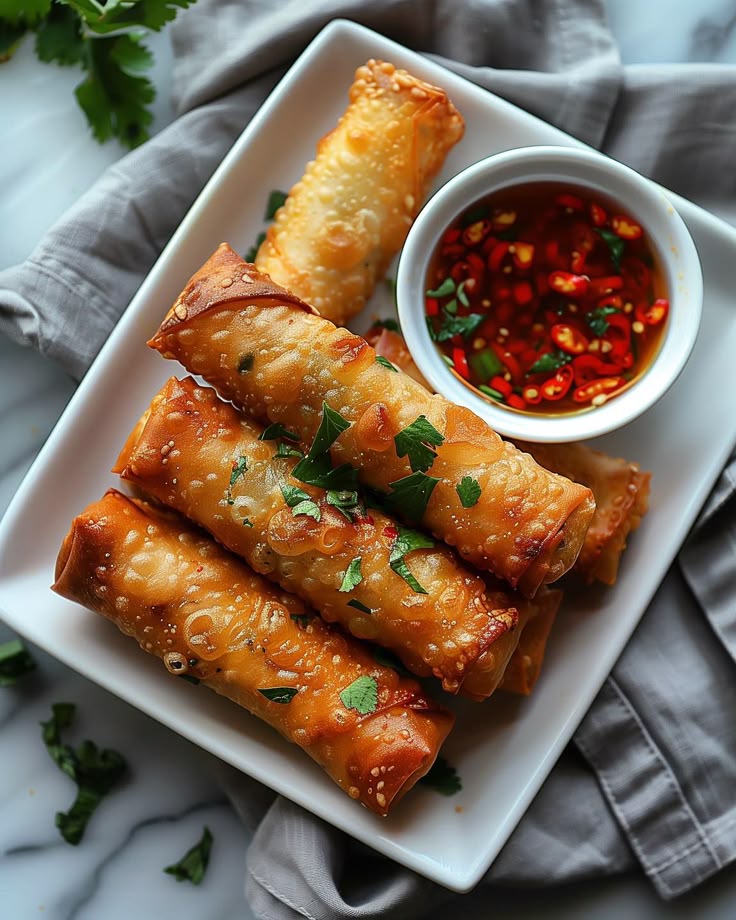
Golden and crispy, spring rolls are a favorite Chinese New Year appetizer.
Symbolism:
Their shape and color resemble gold bars, making them a symbol of wealth and prosperity.
Why They’re Loved:
- Crunchy texture contrasts richer dishes
- Filled with vegetables, pork, or shrimp
- Easy to share and serve
Spring rolls are especially popular in southern China and Southeast Asia during Lunar New Year celebrations.
5. Sticky Rice Cake (Nian Gao)
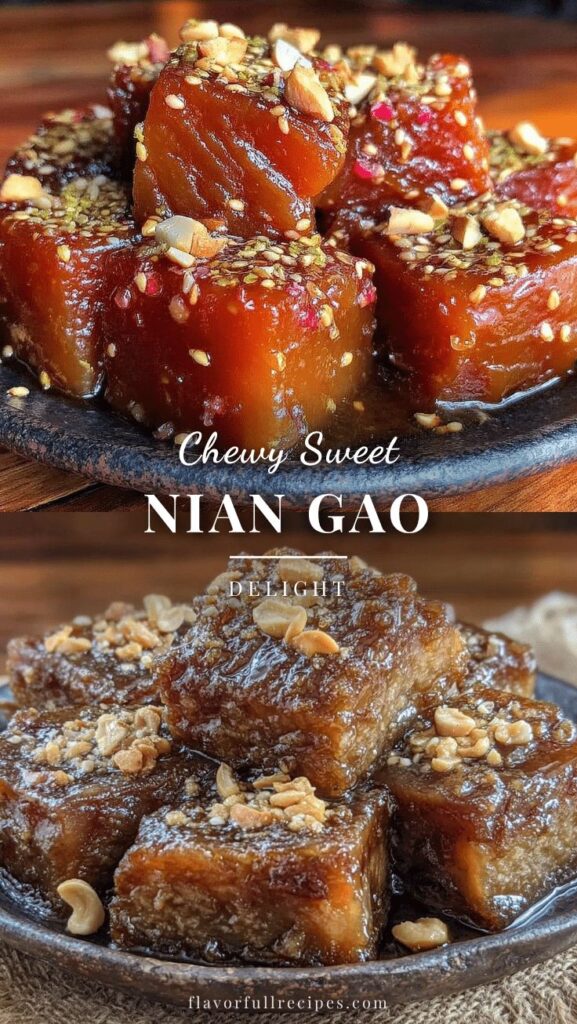
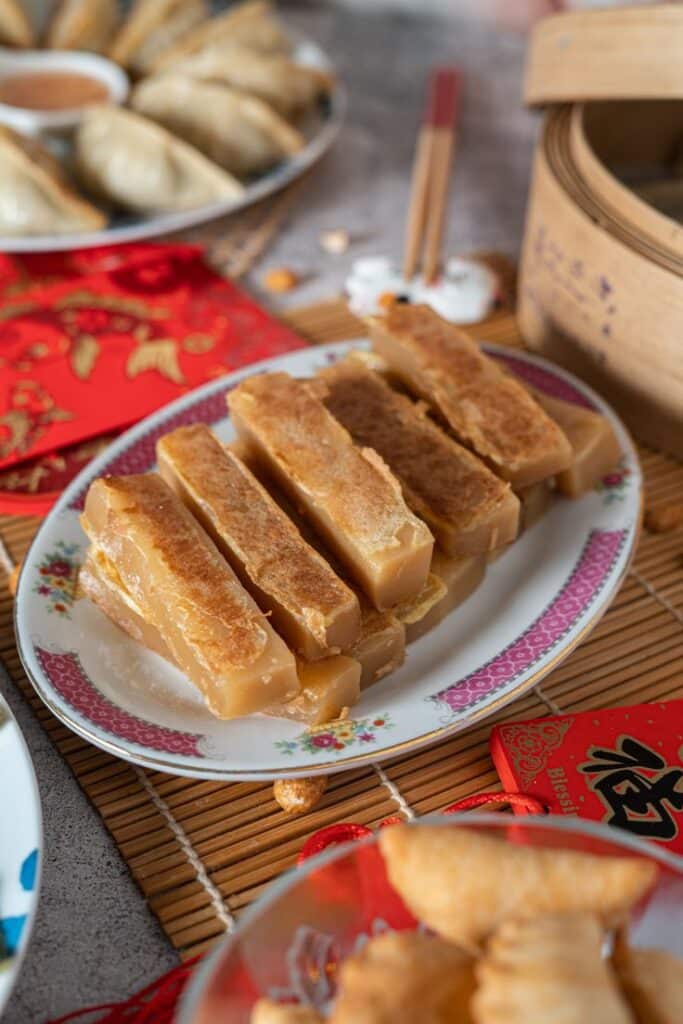
Nian Gao is a sweet or savory sticky rice cake traditionally eaten during the Chinese New Year.
Symbolism:
The name nian gao sounds like “year higher,” symbolizing growth, promotion, and success year after year.
Variations:
- Sweet versions with brown sugar or red bean
- Savory pan-fried slices with vegetables and meat
Many families prepare Nian Gao days in advance, as it stores well and is believed to bring continuous improvement.
How These Dishes Come Together at the Reunion Dinner
The Chinese New Year reunion dinner is the most important meal of the year. These top 5 dishes are often served alongside:
- Braised pork for abundance
- Eight-treasure rice for completeness
- Mandarin oranges for luck
- Whole chicken for family unity
Together, they create a meal that is both deeply meaningful and incredibly satisfying.
Tips for Hosting a Chinese New Year Meal
- Serve dishes family-style to emphasize togetherness
- Avoid breaking noodles or cutting fish unnecessarily
- Use red table décor for added symbolism
- Encourage guests to try a bit of everything
Presentation matters almost as much as flavor during Lunar New Year.
5 Frequently Asked Questions
1. Why is fish eaten during the Chinese New Year?
Fish symbolizes surplus and abundance because the word for fish sounds like “extra” or “leftover” in Chinese.
2. Are dumplings eaten everywhere in China for the Chinese New Year?
Dumplings are most popular in northern China, while southern regions favor rice-based dishes like Nian Gao.
3. Can these dishes be made vegetarian?
Yes. Dumplings, spring rolls, and noodles can all be made with vegetable-based fillings without losing their symbolism.
4. Is it bad luck to finish all the food?
For some dishes, like fish, leaving leftovers symbolizes abundance and is considered good luck.
5. Do you have to eat all five dishes for good luck?
Not necessarily, but each dish represents a different blessing, so including multiple traditional foods is believed to bring balanced fortune.
Final Thoughts
The top 5 Chinese New Year dishes—dumplings, whole fish, longevity noodles, spring rolls, and Nian Gao—are more than just festive foods. They are edible symbols of hope, prosperity, health, and happiness for the year ahead.
Whether you prepare a full traditional spread or simply include one or two of these meaningful dishes, honoring their symbolism connects you to centuries of tradition and celebration. Chinese New Year is ultimately about sharing good food with loved ones and welcoming the future with optimism and joy.