

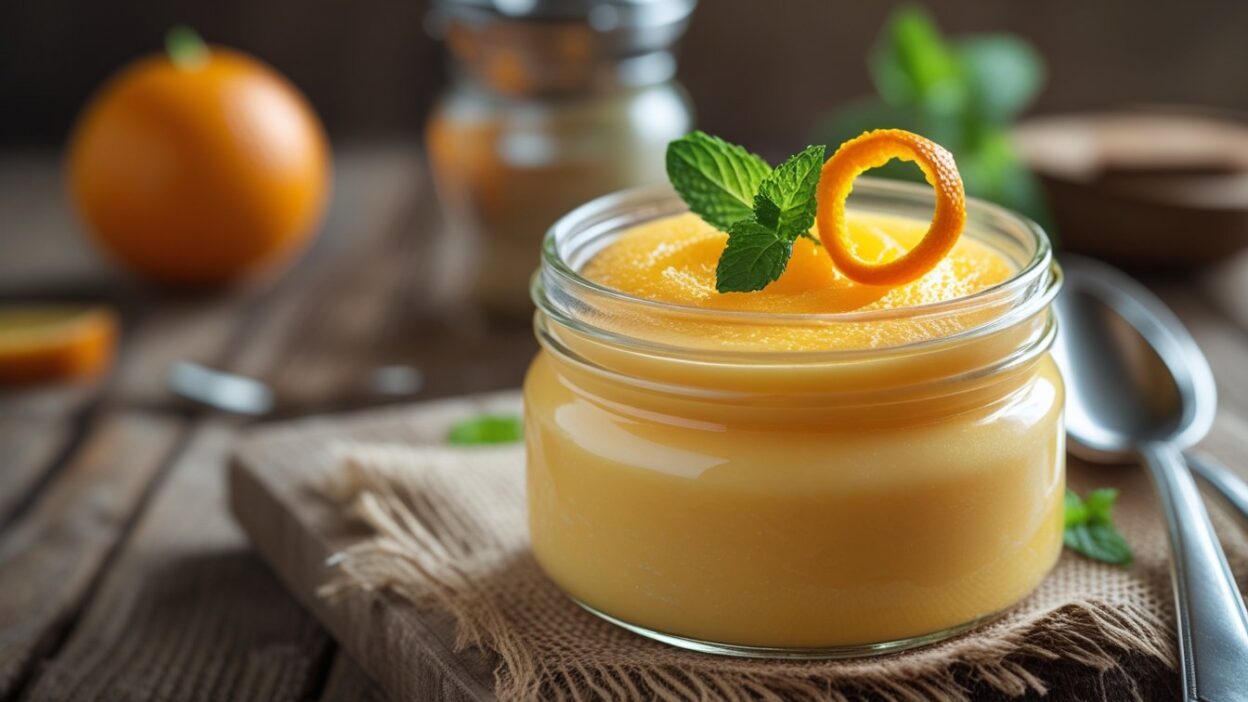
Craving a bright, creamy dessert that takes just minutes and a handful of pantry staples? You can whip up a silky orange posset with cream, sugar, and fresh orange juice—no eggs, no baking, just chill and serve.
This post covers what orange posset is, the ingredients you’ll need, a simple step-by-step recipe, and tips for perfect texture. You’ll also find quick ideas for variations and presentation. Let’s turn those three ingredients into an elegant, crowd-pleasing dessert you can serve in citrus shells or tiny glasses.
What Is Orange Posset?
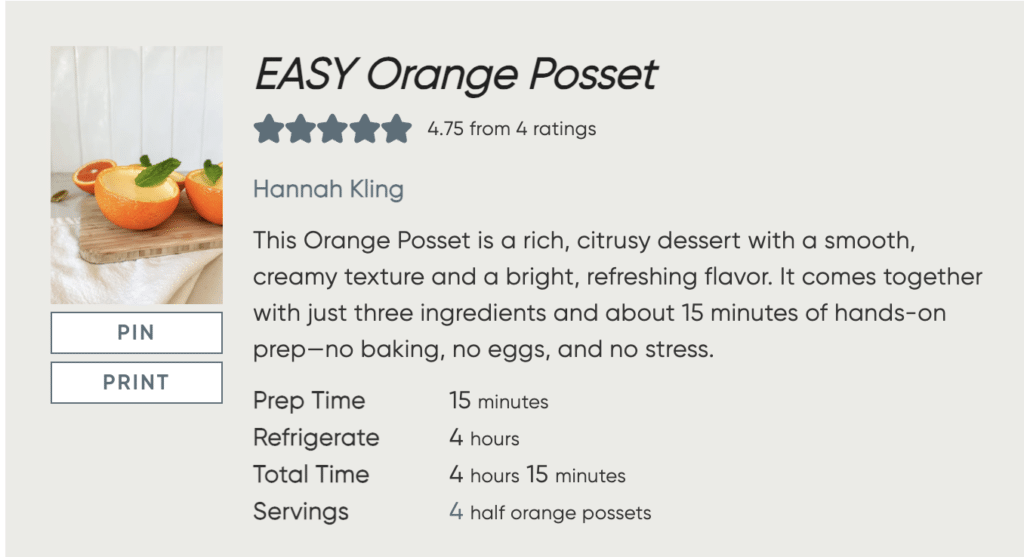
Orange posset is a silky, chilled dessert made from cream, sugar, and citrus juice. No eggs or gelatin needed—it sets up into a smooth, pudding-like treat with a bright orange flavor.
Origin and History

People in medieval England started out making posset as a hot drink with ale or wine, cream, and spices. Over time, it shifted from a spiced drink to a chilled custard.
By the 18th and 19th centuries, cooks heated cream with acid to thicken it, making the cold, spoonable dessert we know now. Old English cookbooks show how cooks relied on simple ingredients and heat to curdle cream—a basic chemical reaction that sets the dessert.
Modern possets keep that method but use fresh citrus juice, often orange or lemon, for a clean, tangy finish.
Traditional Flavors
Lemon is the classic, but orange posset trades in orange juice or zest for a sweeter, fruitier twist. You’ll see recipes blending fresh-squeezed orange juice with heavy cream and sugar.
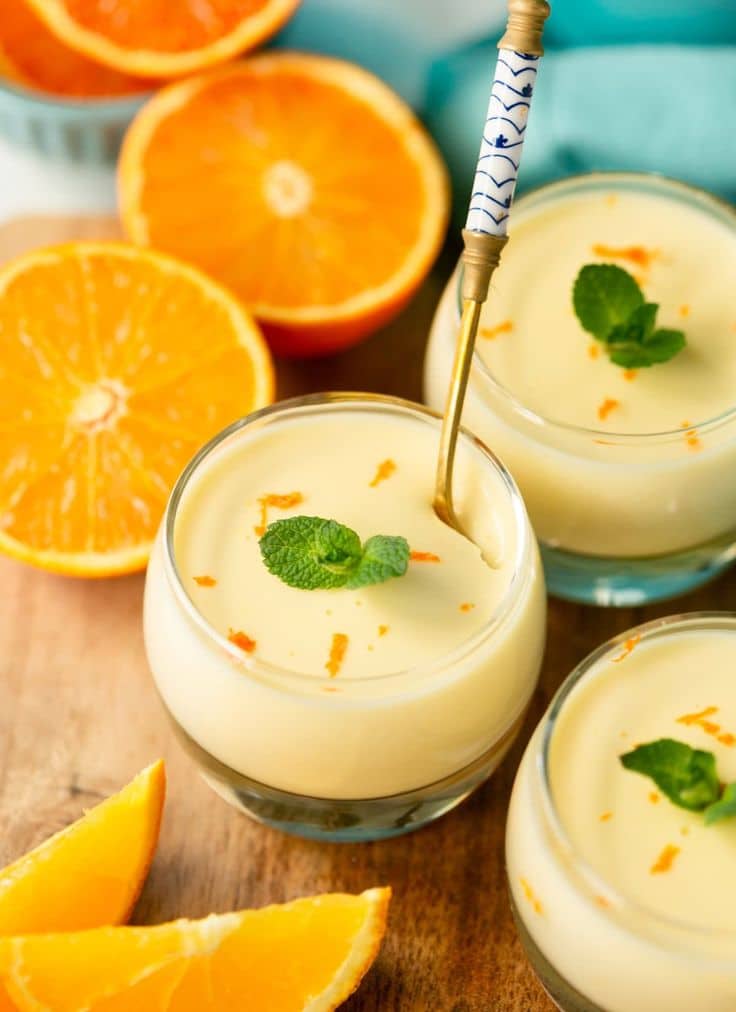
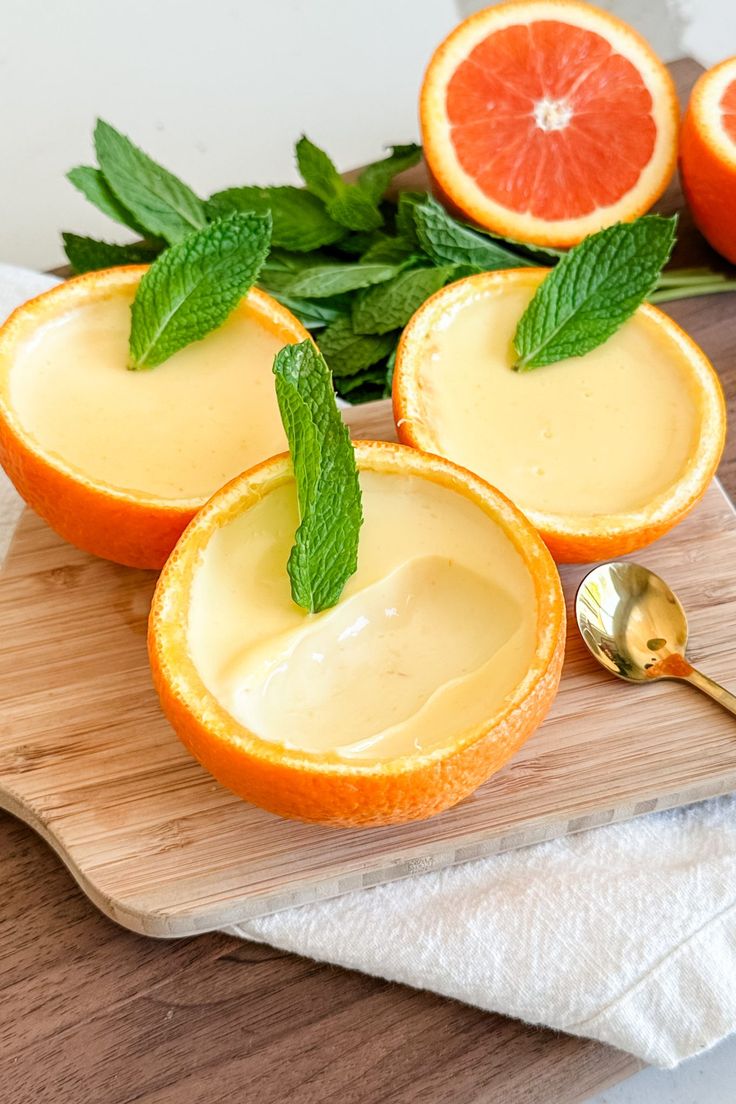
Sometimes, people add vanilla or a splash of liqueur like Cointreau for extra depth. For presentation, orange posset often lands in small glasses or hollowed orange halves, topped with a little zest, chocolate, or mint. You get rich creaminess and citrus brightness in a dessert that’s both simple and elegant.
Ingredients For Orange Posset
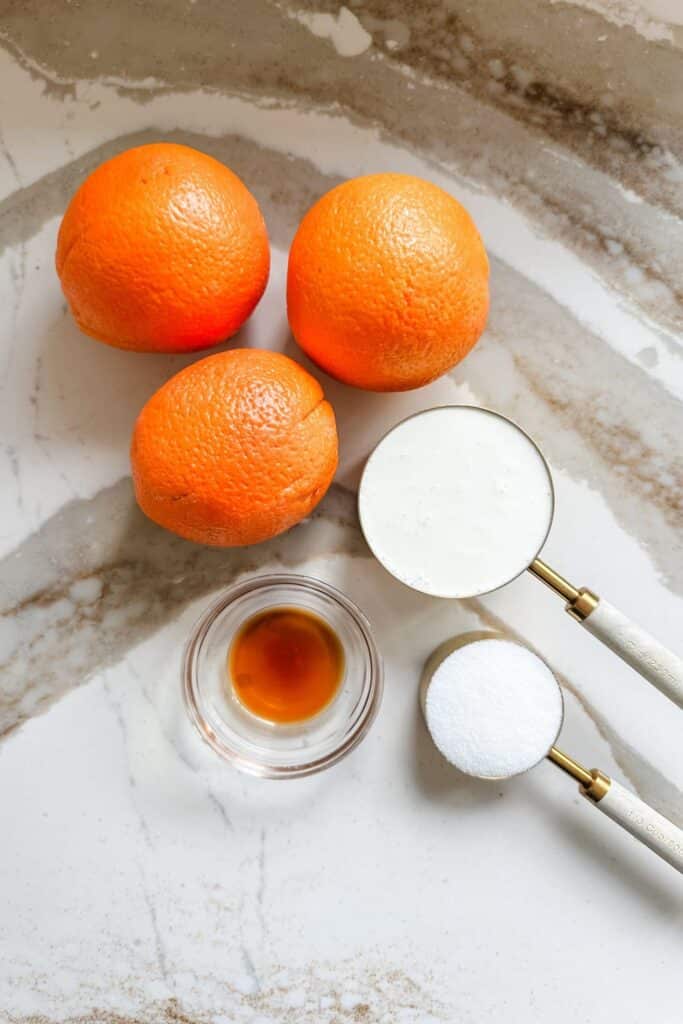
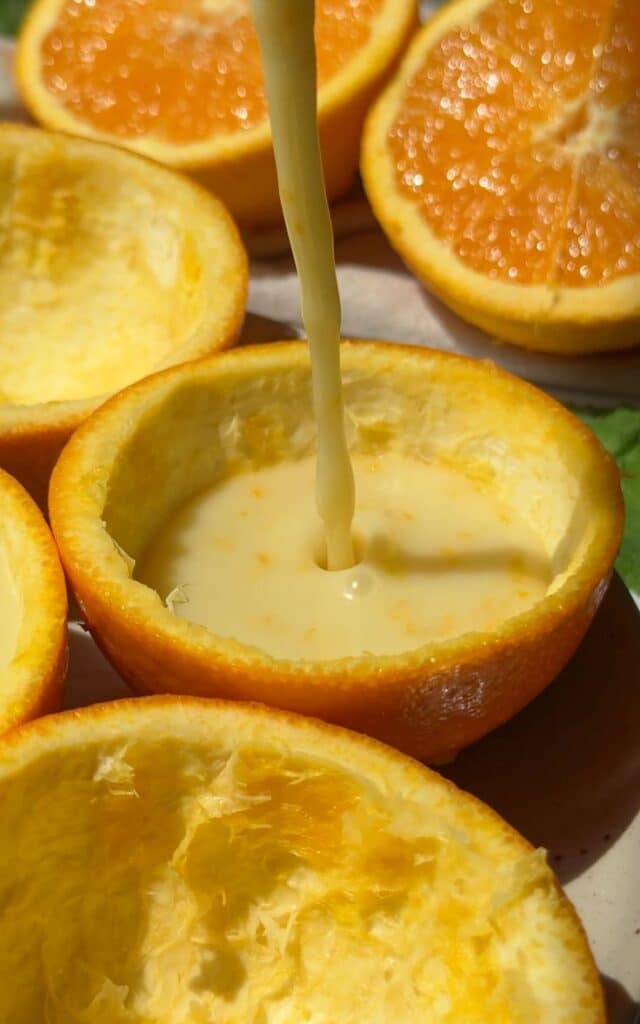
You really only need heavy cream, fresh citrus juice, and a sweetener. Choose ripe, juicy oranges, full-fat cream, and your preferred sugar to control the taste and texture.
Selecting Fresh Oranges
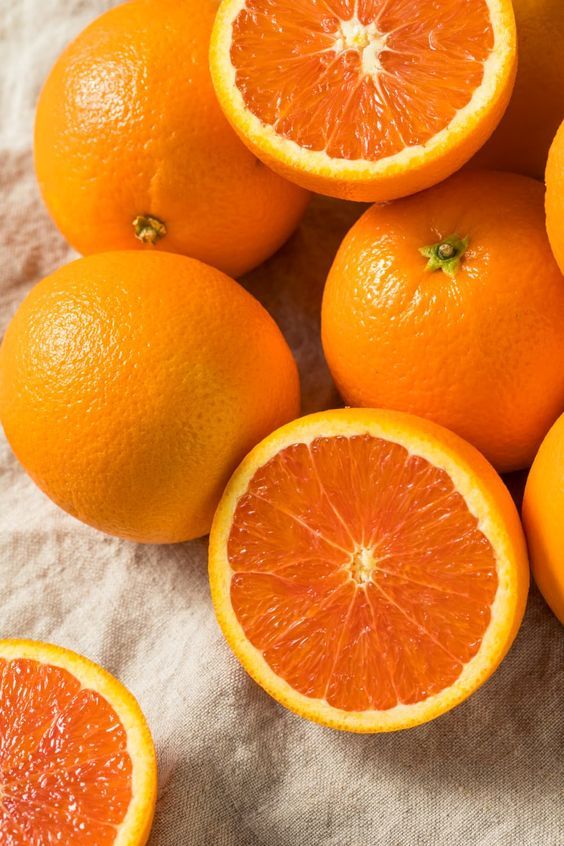

Pick oranges that feel heavy for their size; they’ll have more juice. Navels and Valencias are both solid choices—navels are sweet and seedless, Valencias bring more juice and a brighter flavor.
Look for smooth skin and a firm feel. Skip any that are soft, shriveled, or moldy. Want extra brightness? Mix in a squeeze of lemon for acidity.
Zest matters, too. Use a fine grater and only take the orange part of the peel—leave the white pith behind. One large orange usually gives 2–3 tablespoons of juice and 1–2 teaspoons of zest.
Dairy Choices
Full-fat heavy cream (whipping cream) gives you that classic silky texture and sets up best. Go for cream labeled 35%–40% milk fat if you can.
Low-fat or non-dairy milks won’t set the same way, so skip those if you want a true posset. If you need a non-dairy option, try full-fat canned coconut milk, but expect a coconut note and a softer set.
Chill your cream before serving. You can make posset ahead and refrigerate for at least 2–4 hours; it gets firmer as it cools. If you want it even richer, stir in a tablespoon of mascarpone or cream cheese to the warm cream before adding juice.
Sweetener Options
Granulated sugar is traditional and melts smoothly into hot cream. Use 1/4 to 1/3 cup sugar per 2 cups cream, then adjust to taste.
Brown sugar gives a warmer note, but changes the color and flavor a bit. Powdered sugar dissolves fast, but sometimes adds a hint of cornstarch if it contains anti-caking agents.
For natural sweeteners, try honey or maple syrup—use a little less since they’re sweeter by volume. Stir them into the warm cream so they dissolve completely. If you’re using something like stevia, go easy and taste as you go.
Step-By-Step Orange Posset Recipe
Gather your simple ingredients, gently heat the cream and sugar, then add fresh orange juice and let it set. Timing matters—watch your heat and cooling for that smooth, creamy texture.
Preparation Steps
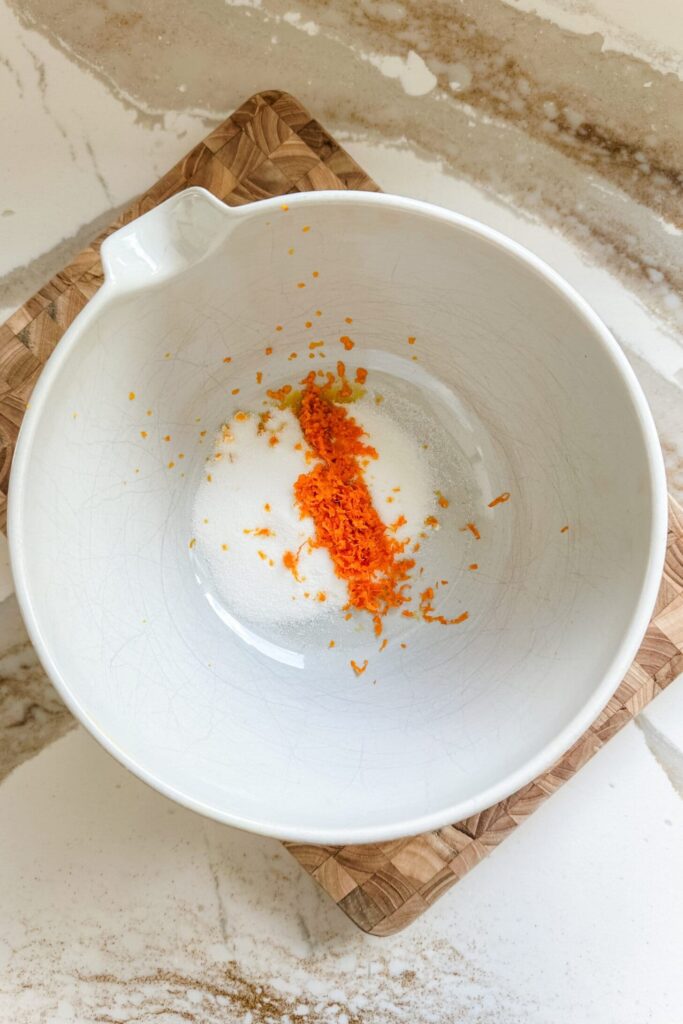
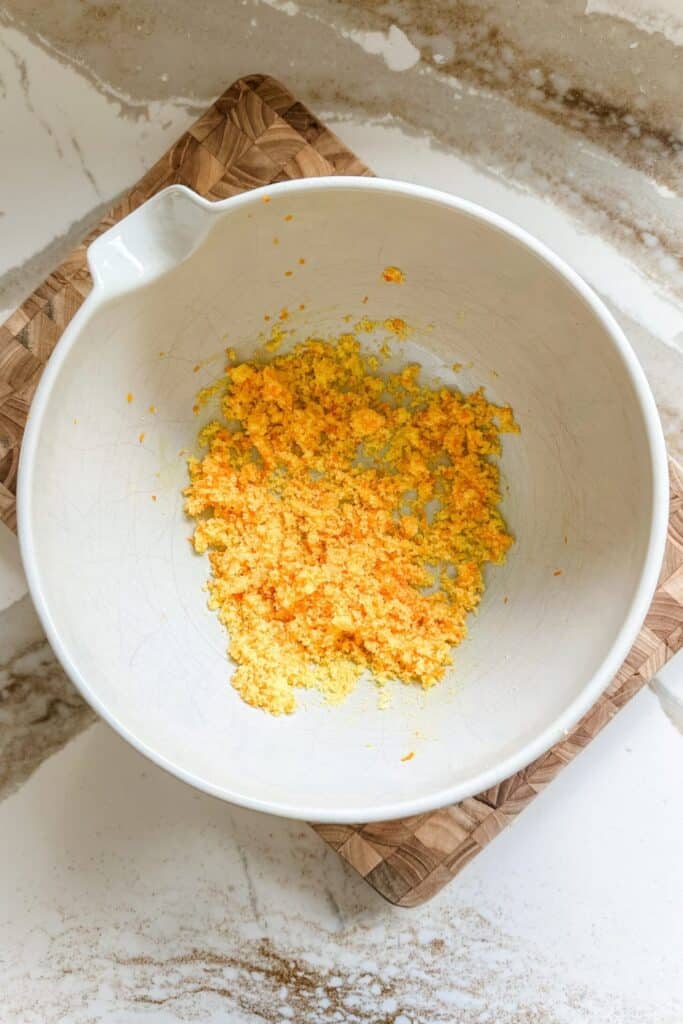
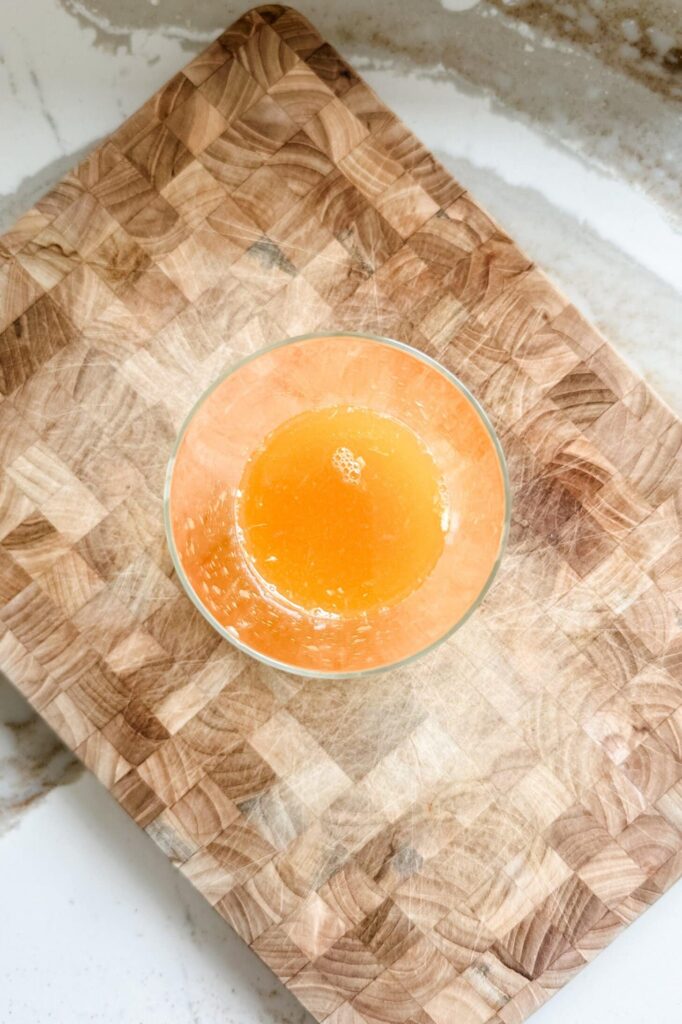
Measure everything before you start: 2 cups heavy cream, 1/2 cup granulated sugar, and 1/2 to 2/3 cup fresh orange juice (about 2–3 oranges). Strain the juice through a fine mesh to remove pulp and seeds.
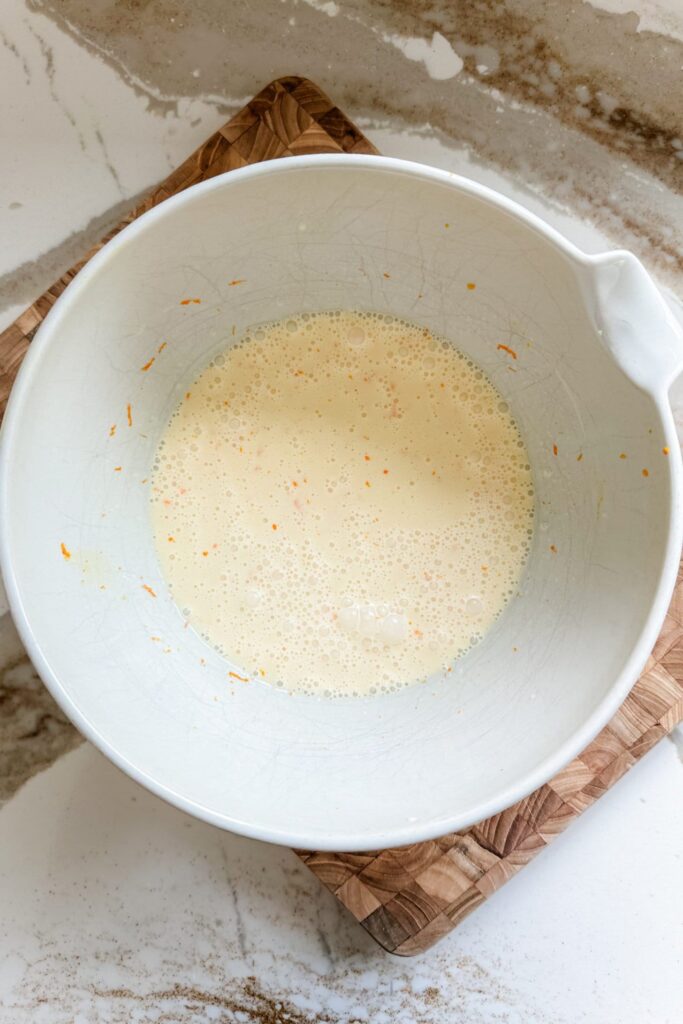
Pick your serving dishes now—four small glasses or ramekins work well. Wash and dry them. For a pretty look, hollow out orange halves by cutting them in half and scooping out the flesh, keeping the peel intact.
Get your tools ready: heavy-bottom saucepan, wooden spoon or spatula, citrus juicer, thermometer (optional), and a fine sieve. Having everything on hand keeps things smooth and stress-free.
Cooking Instructions
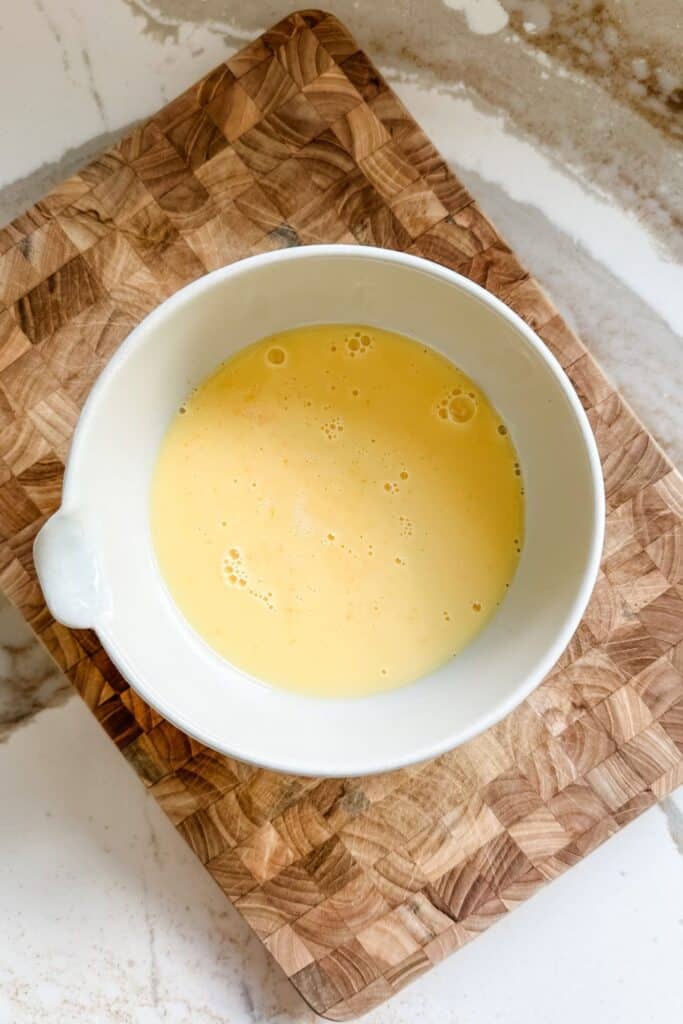
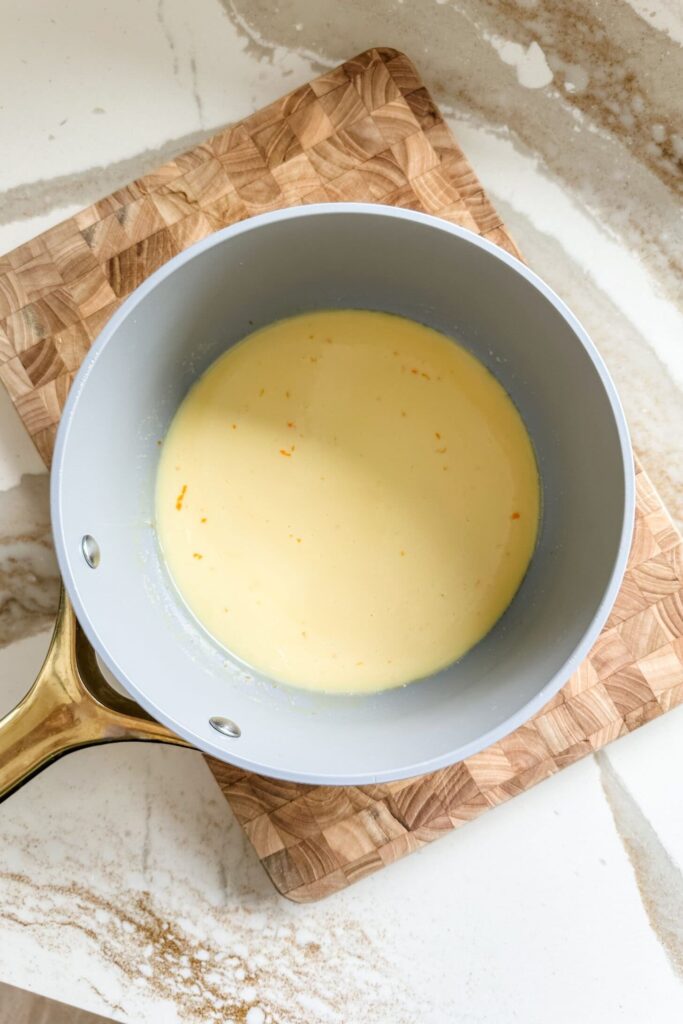
Combine the cream and sugar in your saucepan. Heat over medium-low, stirring constantly until the sugar dissolves and you see steam—don’t let it boil. If you’ve got a thermometer, aim for 175–180°F (80–82°C).
Once it’s steaming and a bit thickened, drop the heat and simmer for 2 minutes, stirring. Take it off the heat and let it cool for a minute so the orange juice doesn’t shock the cream.
Slowly whisk in the strained orange juice in a steady stream. Stir until it’s fully combined and smooth. If it looks grainy, strain it through your fine sieve into a clean bowl for a silky finish.
Chilling and Setting
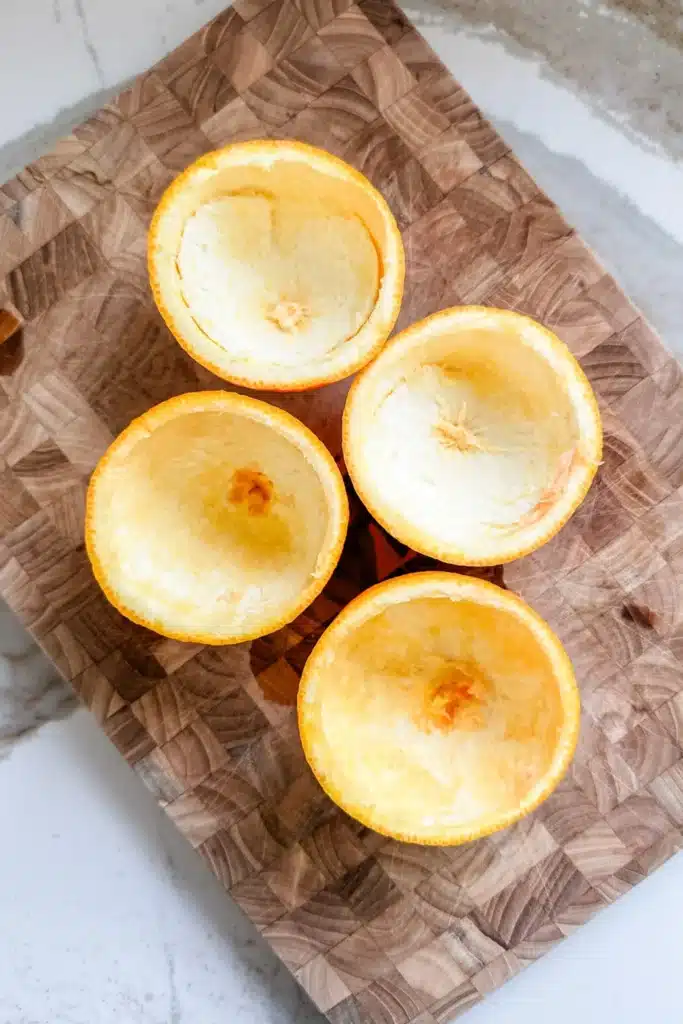
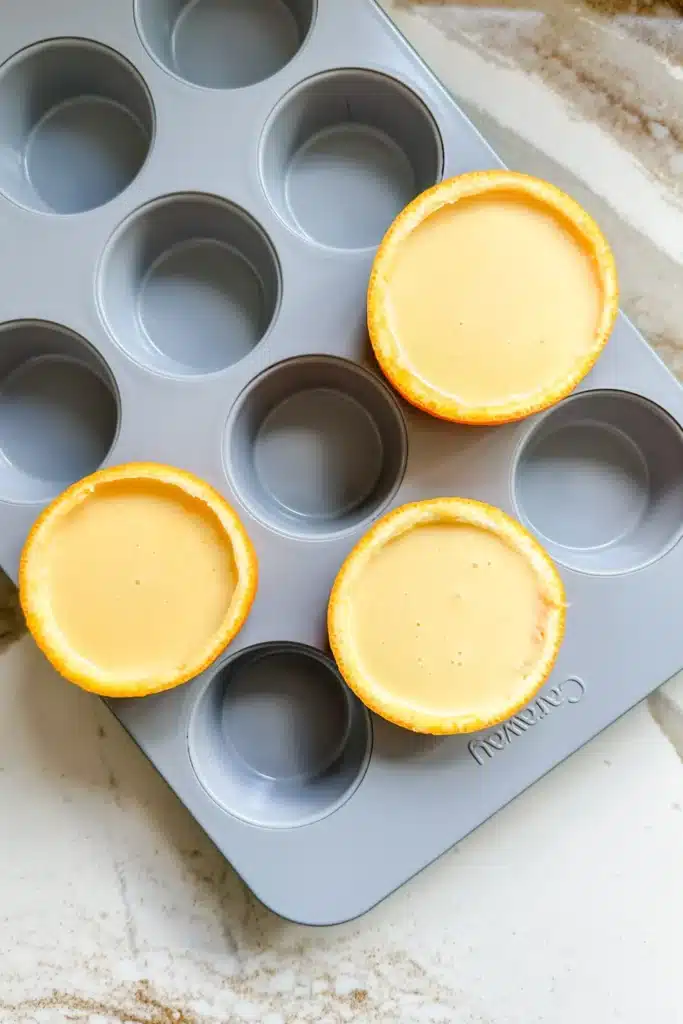
Pour the mixture into your prepared glasses, ramekins, or orange halves. Leave a little space at the top for garnish—maybe some grated orange zest or chocolate shavings.
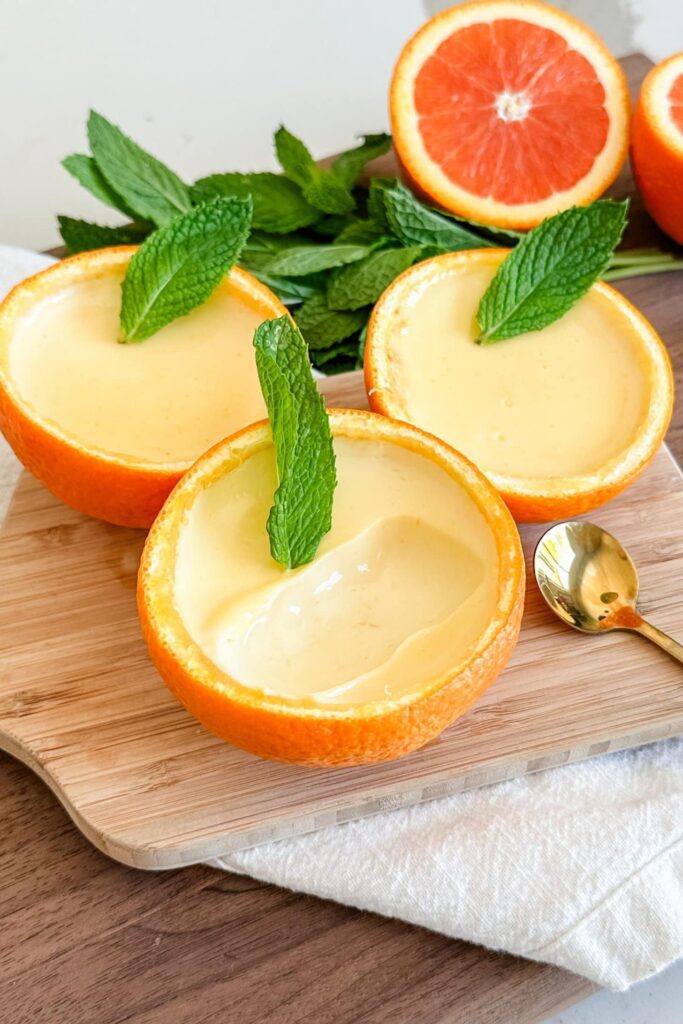
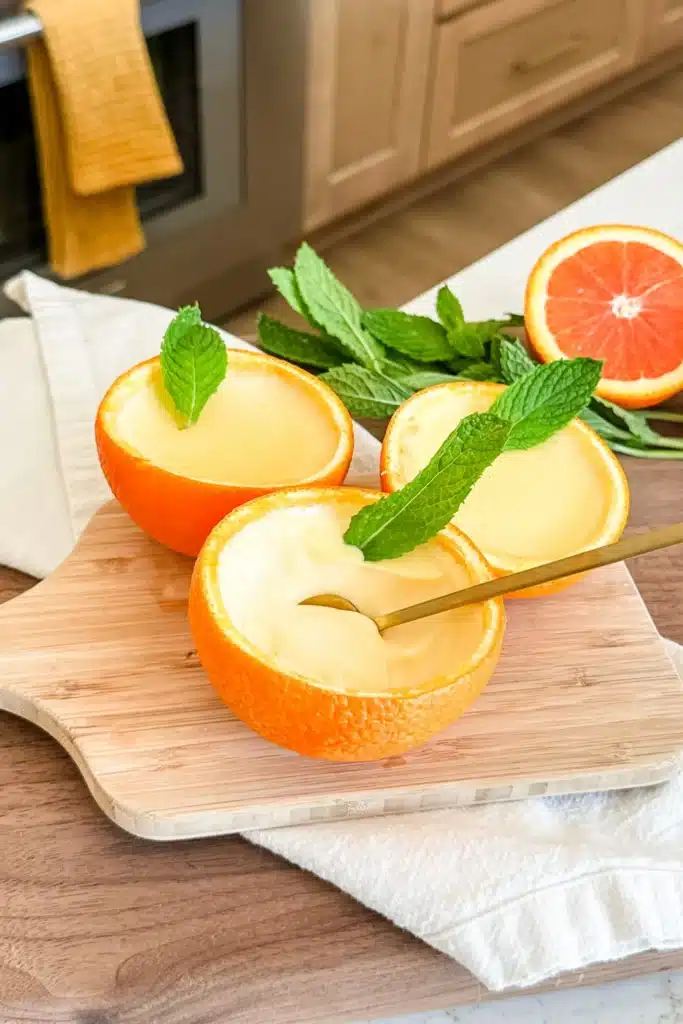
Cover each with plastic wrap, pressing it lightly to keep a skin from forming. Chill in the fridge for at least 4 hours, or overnight if you can, until it’s set and firm.
When you’re ready to serve, peel off the plastic, add fresh zest or a thin ganache if you’re feeling fancy, and serve cold. Posset keeps in the fridge, covered, for up to 3 days.
Tips For The Perfect Texture
Balance your sugar, citrus, and cooking time to get a smooth, set posset. Use fresh orange juice, strain out any curds, and keep a close eye on the cream as it heats.
Balancing Sweetness and Tartness
Start with 2/3 to 3/4 cup sugar per 2 cups (480 ml) cream. If your oranges are super sweet, drop the sugar to 1/2 cup. Always taste the juice before adding sugar so you can tweak it right.
Add 3/4 to 1 cup of fresh orange juice for a bright flavor that doesn’t thin the set. If you use more juice, pull back on the cream or bump up the sugar to keep it from getting too loose. Zest one orange for extra pop, but don’t overdo it—too much peel can turn things bitter.
If you like desserts less sweet, start with less sugar and chill a test spoonful to check the balance. Chilling dulls flavors a bit, so go a touch brighter while it’s warm.
Achieving A Silky Consistency
Heat cream and sugar slowly over medium-low, stirring all the time. Don’t let it boil—tiny bubbles around the edge are all you want. Boiling can split the cream or make it grainy.
After adding the orange juice, stir once, then take it off the heat right away. Let it rest for 2 minutes so proteins settle, then strain through a fine-mesh sieve into serving glasses. That’s the trick for a satin-smooth finish.
Chill uncovered for 10–15 minutes, then cover and refrigerate at least 4 hours. Longer chilling means a firmer set. For the silkiest result, let the posset sit at room temperature for 5 minutes before serving to soften the surface just a bit.
Serving Suggestions
Serve orange posset chilled in clear glasses or ramekins to show off the color and texture. A couple of simple touches can make it feel special.
Garnish Ideas
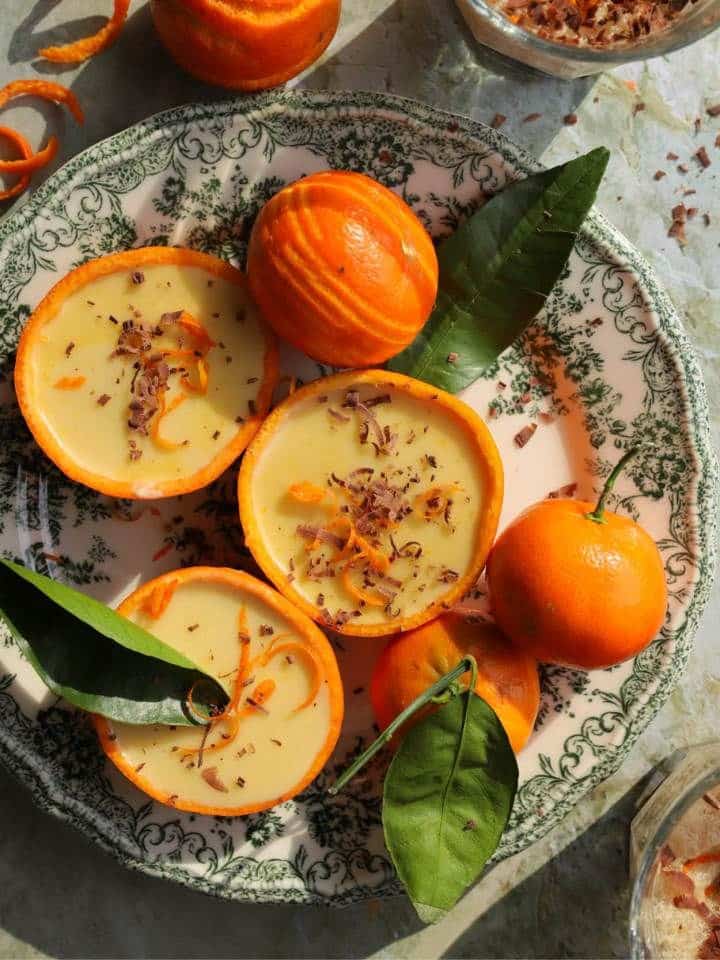
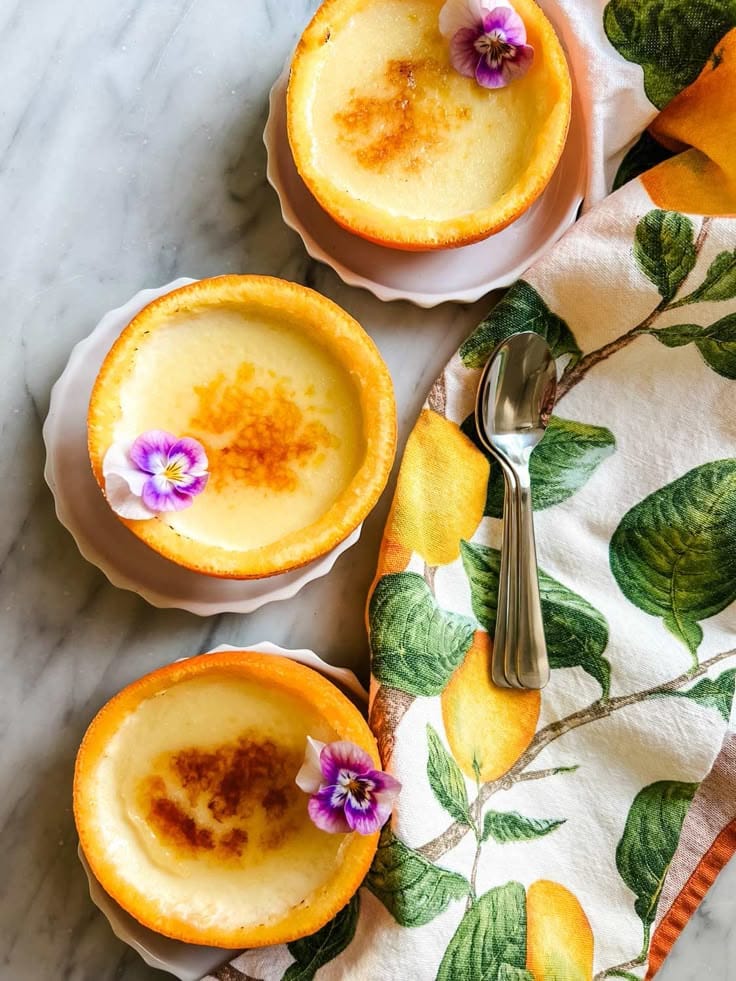
Grate fresh orange zest or twist a thin strip over the top for bright aroma and color. Do this right before serving so the oils really pop.
Drop in fresh berries—raspberries or blueberries work well. They add tartness and a nice texture without covering up the citrus flavor.
Sprinkle a bit of toasted almonds or pistachios for crunch. Keep the pieces small, so they don’t crack the creamy surface.
For a little flair, add a spoonful of spiced raspberry compote or a dollop of whipped cream. If you’re using whipped cream, fold in some orange zest or a drop of liqueur for extra depth.
Pairings With Other Desserts
Serve posset with a crisp biscotti or shortbread cookie for a bit of crunch. Plain shortbread or citrus shortbread echoes the orange notes nicely.
Pair it with a scoop of vanilla bean or almond gelato. The cold, creamy ice cream matches the posset without stealing the show.
For a fruit-forward plate, add thin slices of poached pear or caramelized grapefruit. Their gentle sweetness and acidity balance out the rich cream.
Want to make it fancier? Add a tiny tuile or a candied orange slice for height and texture. These little accents make the plate look refined while keeping the posset front and center.
Storing And Making Ahead
Keep your posset chilled and covered so it stays silky. You can make it up to three days ahead, and the texture and orange flavor stay fresh.
How To Store Orange Posset
Store posset in the fridge at 40°F (4°C) or colder. Put it in airtight containers or cover each serving dish tightly with plastic wrap to prevent a skin and keep out fridge smells.
Use within 3 days for the best texture and flavor. If you keep it longer, the cream may separate and get grainy. Before serving, let it sit 10–15 minutes at room temperature to soften a bit—it brings back the silkiness without melting.
Label containers with the date so you know when you made it. If you’re adding toppings like chocolate ganache or zest, keep them separate and add just before serving.
Freezing Instructions
Freezing works, but it’s not ideal since dairy can change texture. If you must freeze, use small, airtight freezer-safe containers and leave a little headspace for expansion.
Freeze up to a month. Thaw overnight in the fridge, still covered, to avoid condensation. After thawing, posset might be a bit grainy—stir gently with a whisk to smooth it, then let it sit 20–30 minutes at room temperature before serving.
Don’t refreeze once thawed. Only freeze plain posset; add fresh toppings after thawing for the best taste and look.
FAQ
What is orange posset, and how is it different from other desserts?
Orange posset is a silky, chilled dessert made from cream, sugar, and fresh orange juice, set into a smooth, pudding-like treat without eggs or baking, offering a bright citrus flavor.
What are the traditional origins of orange posset?
Orange posset has roots in medieval England, where it evolved from a hot drink made with ale or wine, cream, and spices into a chilled, custard-like dessert by the 18th and 19th centuries.
What ingredients do I need to make orange posset?
You need heavy cream, fresh oranges for juice and zest, and a sweetener like granulated sugar.
How can I ensure my orange posset has the perfect silky texture?
Heat the cream and sugar slowly without boiling, strain the mixture after adding orange juice to remove curds, and chill it for several hours to achieve a smooth, firm consistency.
How should I serve and garnish orange posset to make it look attractive?
Serve it chilled in glasses or orange halves, garnished with orange zest, berries, or nuts, and add decorative touches like candied orange slices or a sprig of herbs for an elegant presentation.