

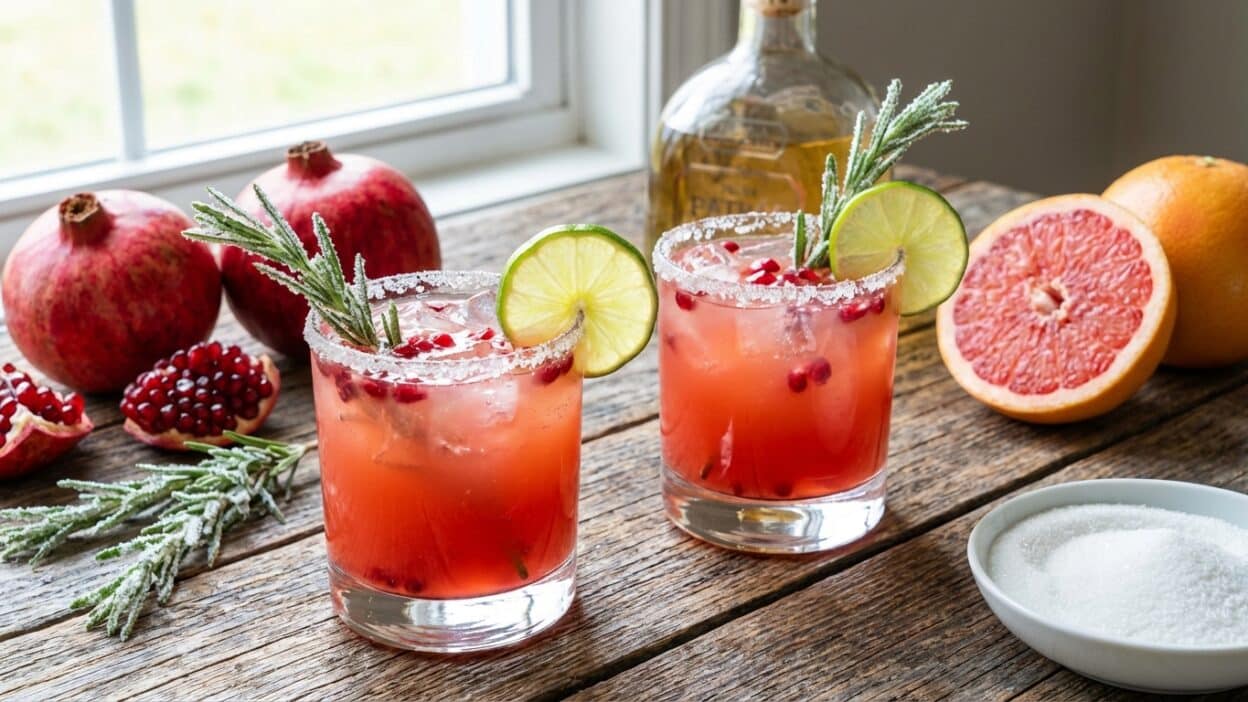
You’ll love how simple ingredients—tequila, pomegranate, and grapefruit or sparkling water, lime, and a touch of sweet—turn into a bright, festive twist on the classic Paloma.
This Pomegranate Paloma mixes tart pomegranate and citrus with tequila, then adds sparkling fizz and sugared rosemary for a holiday-ready, easy cocktail.
Keep reading to find a clear ingredient list, step-by-step instructions for the cocktail, an easy method to make sugared rosemary sprigs, and simple serving ideas and swaps so you can make this drink your own.
Ingredients for a Pomegranate Paloma
You’ll need ripe pomegranate seeds or juice, a bright tequila, and fresh grapefruit juice. Add lime, simple syrup or cinnamon simple syrup, soda water, and sugared rosemary sprigs for garnish.
Choosing the Best Pomegranates
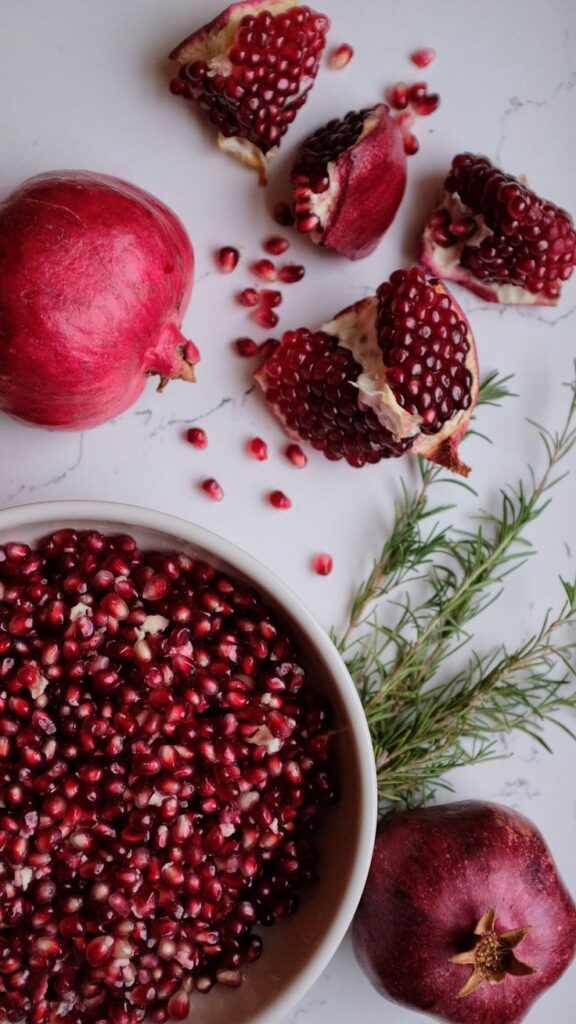
Pick pomegranates that feel heavy for their size; weight means more juice. Look for smooth, firm skin without soft spots or cracks. Deep red color often signals ripeness, though some varieties are darker or lighter.
To extract arils cleanly, score the skin into sections and open over a bowl of water. The seeds will sink, and the pith will float, making cleanup easier. If you prefer juice, press the arils in a blender, then strain through a fine mesh to remove pulp.
If you buy bottled pomegranate juice, choose 100% juice with no added sugar. For this cocktail, aim for about 2–3 ounces of fresh juice per drink to keep a bright, tart balance with the tequila and grapefruit.
Types of Tequila to Use
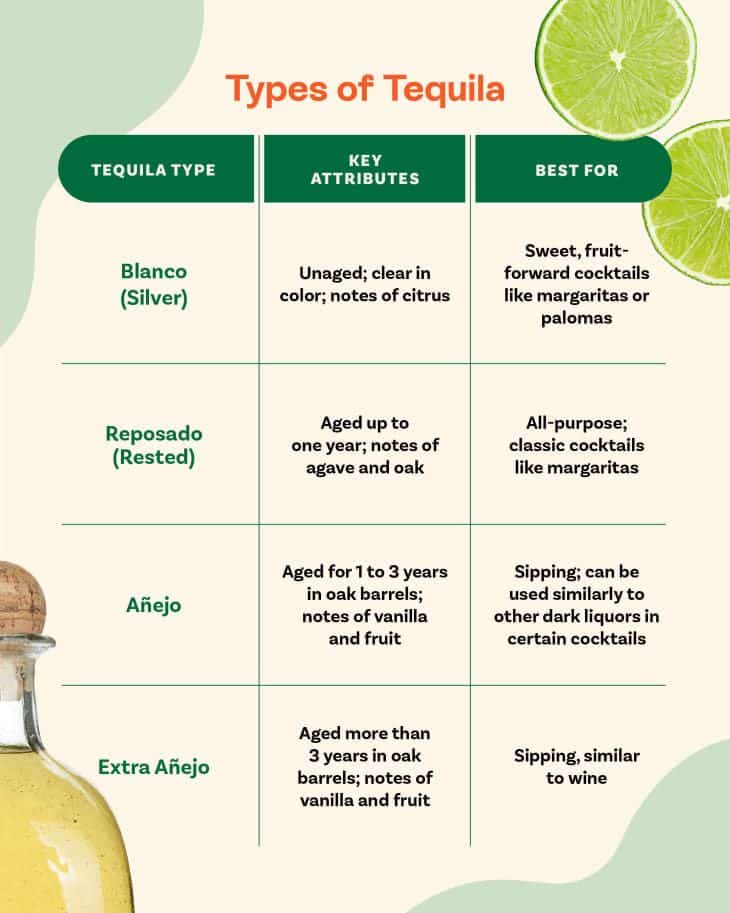
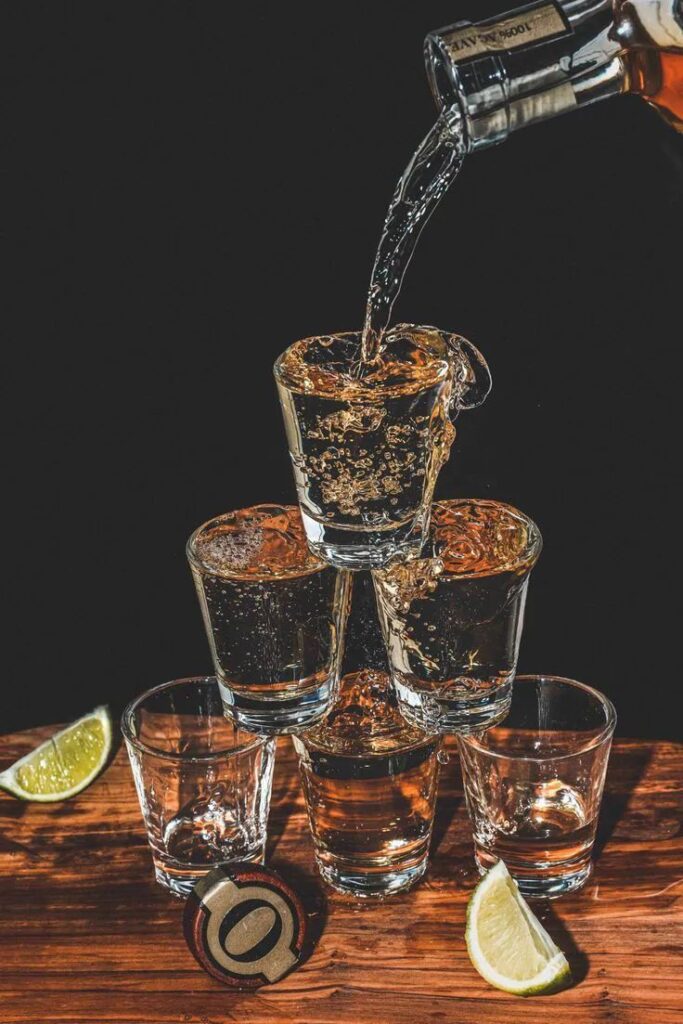
Use 100% agave tequila for the best flavor; cheaper mixto tequilas can taste harsh. Blanco (unaged) tequila gives a clean, peppery bite that pairs well with citrus and pomegranate. It keeps the drink bright and light.
If you want a softer, smoother profile, try reposado. Reposado adds mild oak and vanilla notes that blend nicely with cinnamon simple syrup. Avoid añejo, which can overpower the cocktail with strong barrel flavors.
Measure 1.5 to 2 ounces of tequila per serving. Taste as you go: more tequila raises the heat, while less lets the pomegranate and grapefruit shine.
Selecting Fresh Grapefruit Juice
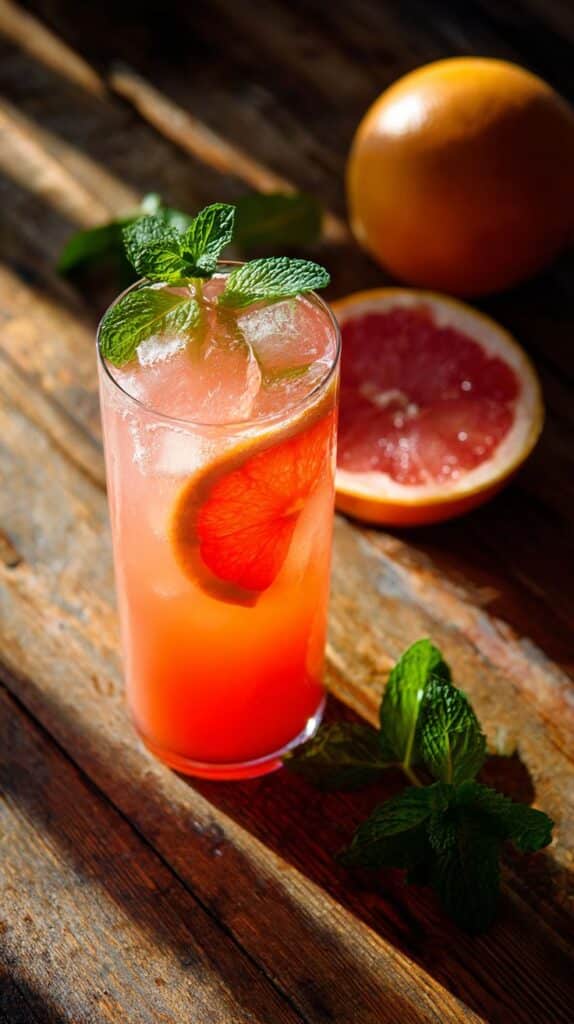
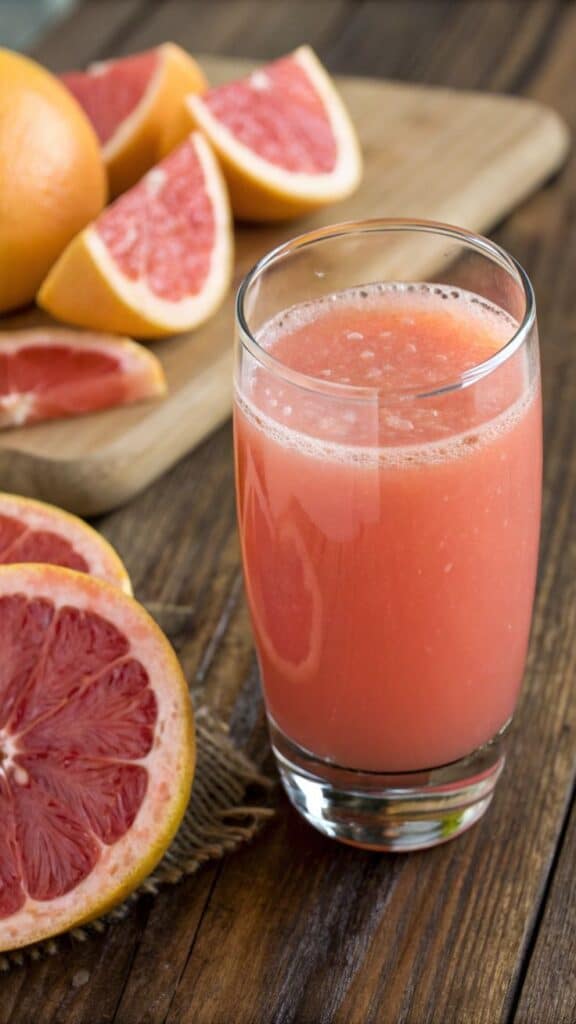
Choose grapefruits that feel heavy and give slightly to gentle pressure; they’ll be juicier. Ruby red or pink grapefruits are sweeter and add a pleasant color. White grapefruit is more tart and sharper.
For the best flavor, squeeze fresh grapefruit for about 2 ounces per drink. Strain to remove pulp and bitter membranes. If using bottled grapefruit juice, pick one labeled “not from concentrate” and without added sugar.
If you want fizz without extra sweetness, use plain club soda or a light grapefruit soda, depending on how sweet you want the final drink. Adjust the soda amount to keep the cocktail balanced.
Step-by-Step Pomegranate Paloma Recipe
You’ll prepare fresh pomegranate juice, mix tequila with citrus and soda, and make sugared rosemary sprigs to garnish. Follow clear measures and simple techniques for bright, balanced flavor.
Preparing the Pomegranate Juice
Cut two medium pomegranates in half and hold each half over a bowl. Tap the skin side with a wooden spoon to release the arils, then collect them in the bowl.
Press the arils through a fine-mesh sieve with the back of a spoon to extract juice. Aim for about 1 to 1 1/2 cups of juice; you can strain twice for a clearer result. If using store-bought, choose 100% pomegranate juice with no added sugar.
Taste the juice. If it’s too tart, stir in 1–2 teaspoons simple syrup or a splash of agave. Chill the juice while you prepare the cocktail to keep the drink bright and cold.
Mixing the Base Cocktail
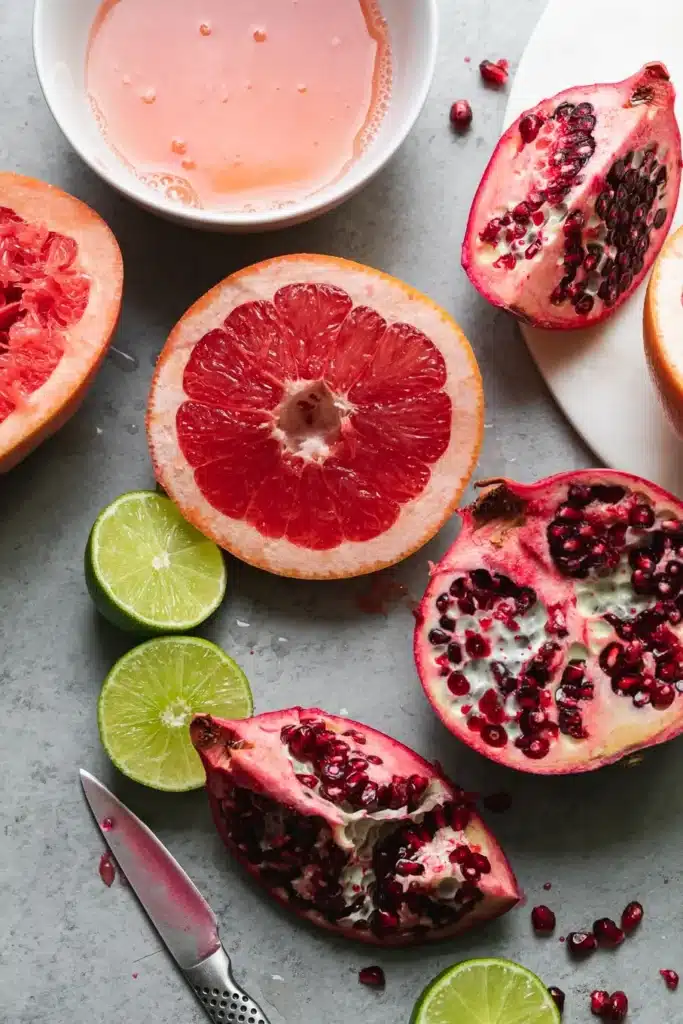
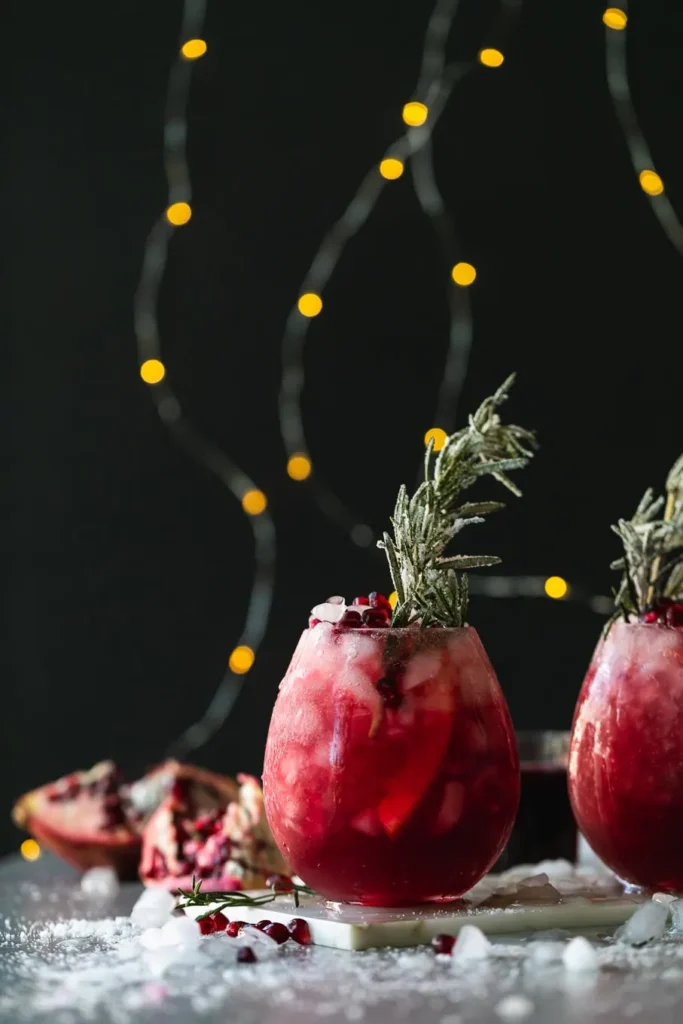
Combine 2 oz tequila, 1 oz freshly squeezed grapefruit juice, 1/2 oz lime juice, and 2 oz pomegranate juice in a shaker with ice. Add 1/2 oz cinnamon simple syrup if you like a hint of warmth and sweetness.
Shake vigorously 10–15 seconds to chill and dilute slightly. Strain into a highball glass filled with ice and top with 2–3 oz club soda or grapefruit soda for fizz. Stir gently once to combine.
Garnish with a lime wheel or a few pomegranate arils in the glass. Taste and adjust: add more lime for tartness, more syrup for sweetness, or more soda for a lighter body.
Adding Sugared Rosemary Sprigs
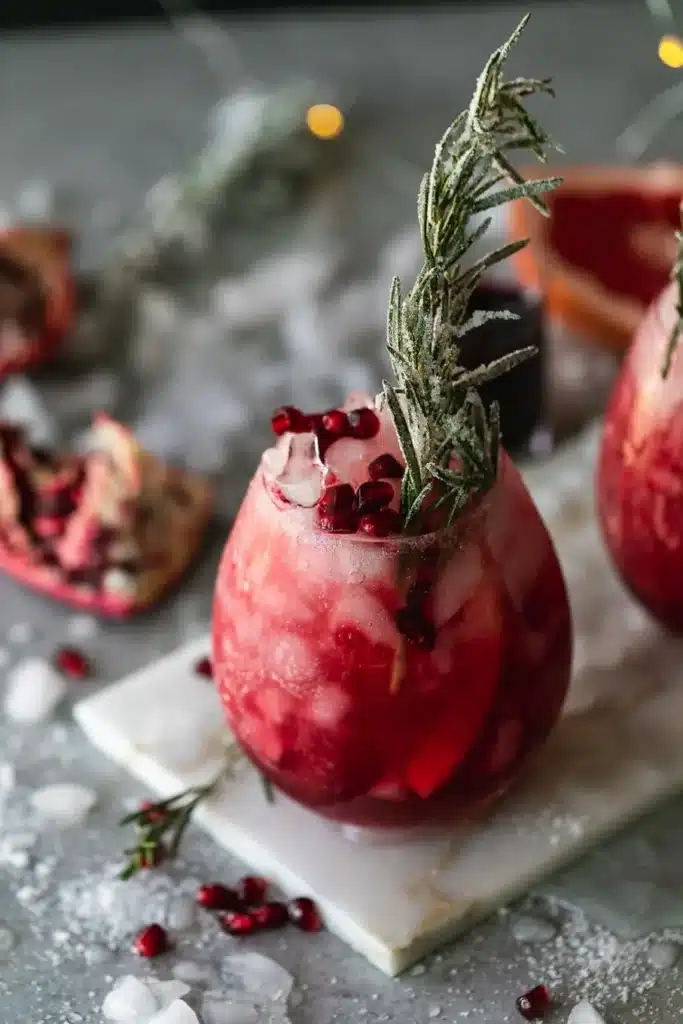
Make a simple sugar coating by whisking 1 egg white (or use a light syrup for safety) until slightly frothy. Dip trimmed rosemary sprigs into the egg white, then roll in superfine sugar until coated evenly.
Place the sugared sprigs on a parchment-lined tray and let them dry for 15–30 minutes. The sugar will harden and create a crunchy, fragrant garnish that complements the cocktail’s citrus and pomegranate notes.
Stick one sugared rosemary sprig into each finished Paloma for aroma and visual appeal. If you prefer non-alcoholic options, omit the egg white and use a light corn syrup or agave to bind the sugar to the rosemary.
How to Make Sugared Rosemary Sprigs
You will make a simple sugar syrup, coat fresh rosemary sprigs, and let them dry until the sugar hardens. Use cold, firm rosemary and keep the syrup warm but not boiling for the best results.
Coating Rosemary with Sugar
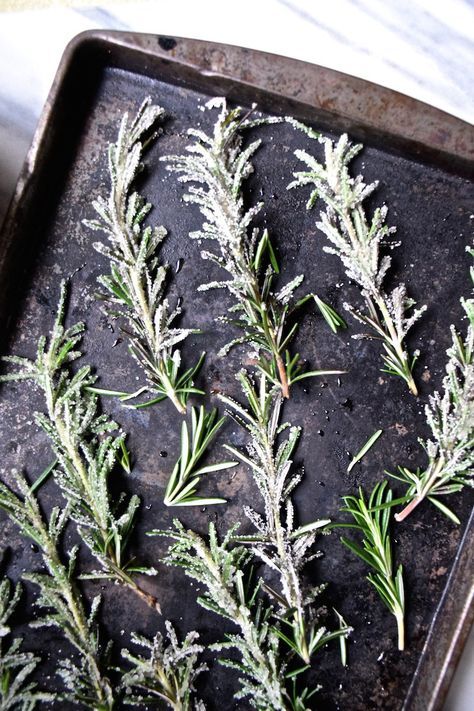
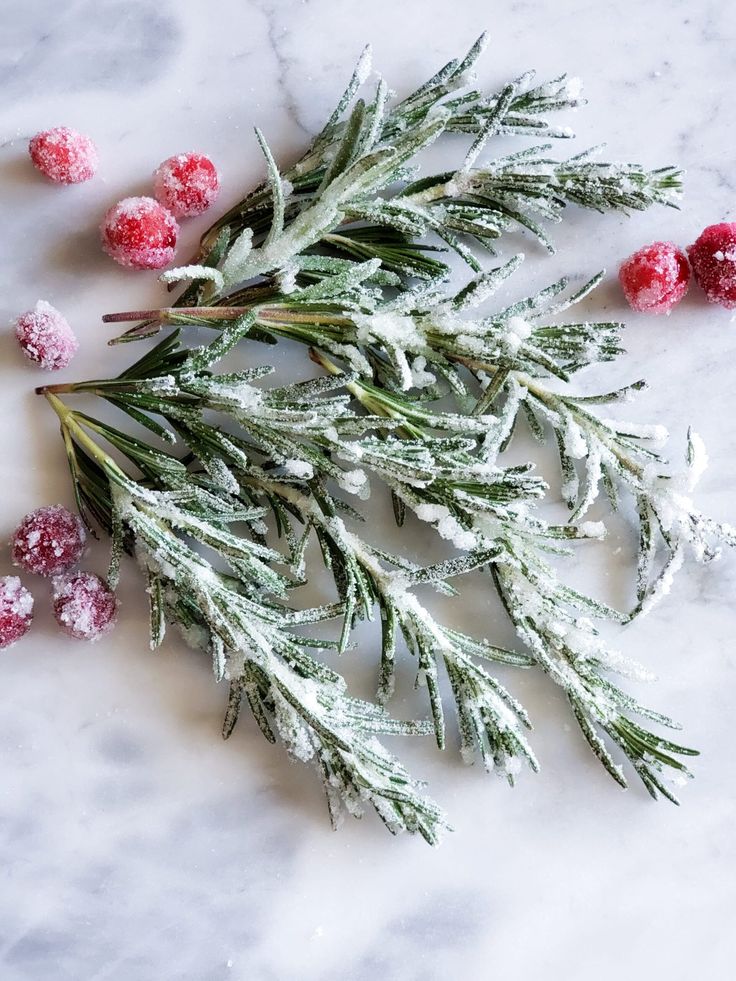
Pick firm, bright-green rosemary sprigs about 3–5 inches long. Rinse gently and pat dry so the leaves stay intact.
Make a syrup: heat 1/2 cup water with 1/2 cup granulated sugar until the sugar dissolves. Keep it warm — do not boil.
Dip each sprig into the warm syrup and lift slowly so excess drips off. Roll the coated sprig in a shallow bowl of granulated sugar, pressing lightly so sugar sticks between the needles. For a stronger sparkle, repeat the syrup dip and sugar roll once more.
Place coated sprigs on a sheet of parchment paper or a wire rack with the sugar side up. Work in small batches so the syrup stays warm and the sugar adheres evenly.
Drying and Storing Sprigs
Let the sprigs dry at room temperature for 2–4 hours, depending on humidity. If your kitchen is humid, use a fan set on low to speed drying without melting the sugar.
When dry, the sugar should feel hard and slightly crunchy. Handle sprigs by the stem to avoid rubbing sugar off the needles. Store in an airtight container layered with parchment paper to prevent sticking.
Use sugared rosemary within 3–5 days for best look and aroma. Keep the container in a cool, dry place away from direct sunlight.
Serving and Presentation Tips
Serve the drink cold, keep it bubbly, and make the glass look inviting. Small touches like a sugared rosemary sprig and fresh ice lift the whole experience.
Glassware Choices
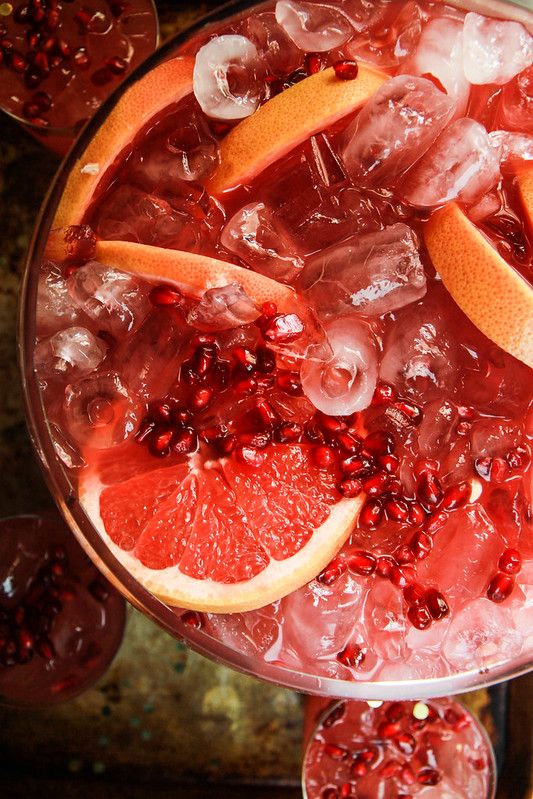
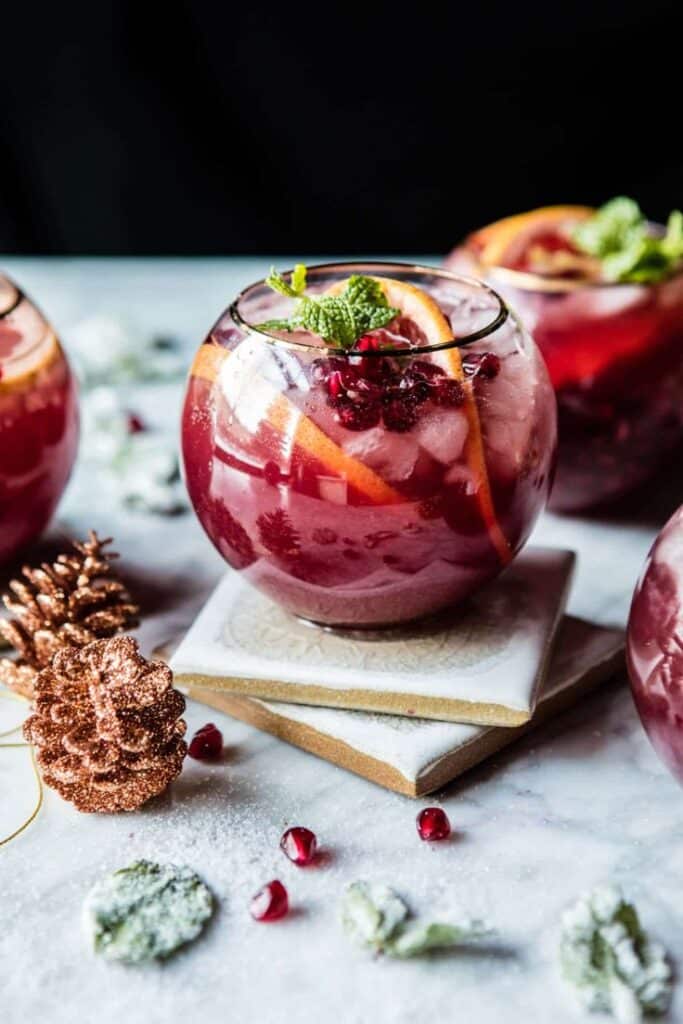
Choose a highball or Collins glass for a classic look and enough room for ice and soda. These tall glasses show off the pomegranate color and let the bubbles rise, which keeps the drink fizzy as you sip.
If you prefer a shorter, more casual style, use an old-fashioned glass with large ice cubes to slow dilution. For parties, clear plastic tumblers work fine and let the color and garnish remain visible.
Chill your glass in the freezer for 5–10 minutes before serving to keep the cocktail colder longer. If you rim the glass with salt or sugar, do that after chilling so the rim stays neat.
Garnishing Your Paloma
Use a sugared rosemary sprig for aroma and sparkle. Lightly brush the sprig with simple syrup, roll it in granulated sugar, then let it dry on parchment for a few minutes before placing it in the drink.
Add a few pomegranate arils for texture and a pop of color. Scatter them on top or thread them on a toothpick with a lime wheel for an easy, attractive skewer.
Finish with a thin grapefruit slice or lime wedge for brightness. Place the citrus on the rim or float it gently on the surface so it releases zest oils as you lift the glass.
Flavor Variations and Substitutions
Bright tartness from citrus and deep sweetness from pomegranate work well together. You can swap the alcohol or the citrus and still keep the drink balanced and festive.
Alcohol-Free Pomegranate Paloma
You can make this drink without tequila and still keep the Paloma character. Use grapefruit soda or a mix of fresh grapefruit juice and club soda for the citrus base. Add 2–3 oz pomegranate juice, 1 oz lime juice, and 1/2 oz simple syrup (or rosemary syrup) per serving to match the sweetness and body of the original.
For a bit of bitterness like tequila, add a splash (1/4 oz) of nonalcoholic bitter or a few dashes of grapefruit bitters if available. Garnish with a sugared rosemary sprig or a few pomegranate arils to keep the festive look. Serve over ice in a salt-rimmed glass if you want the classic Paloma mouthfeel.
Using Different Citrus Juices
Grapefruit gives the classic Paloma tang, but other citrus can change the flavor in useful ways. Use ruby grapefruit for a sweeter, less bitter flavor. White grapefruit delivers more tartness and a cleaner finish.
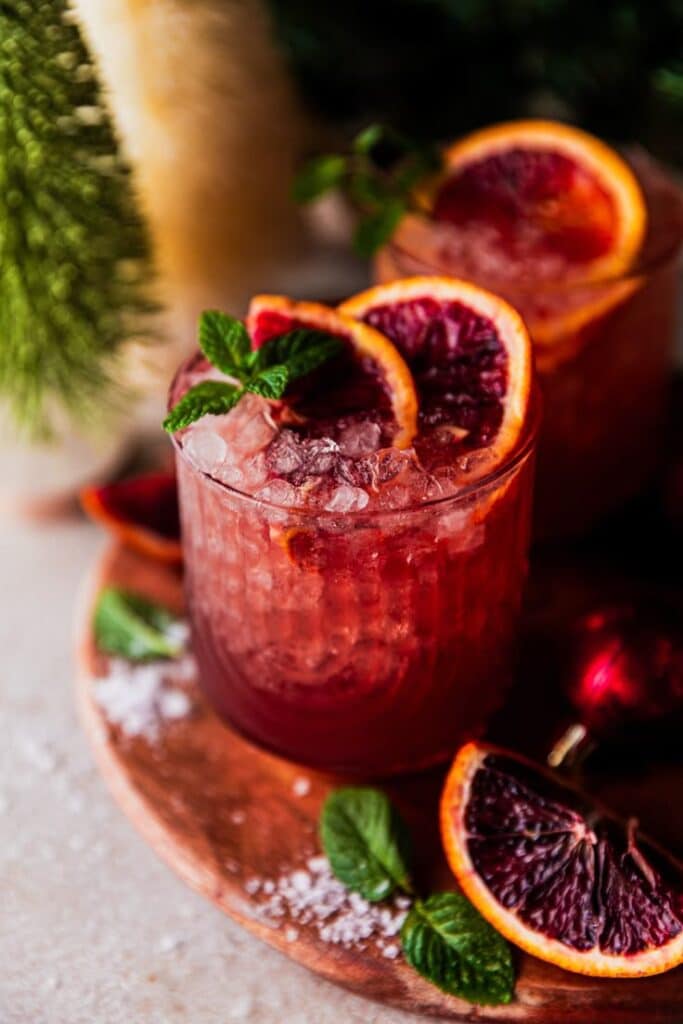
Orange juice will make the drink sweeter and rounder; use more lime (up to 1 oz) to keep acidity. Blood orange adds color and floral notes—use the same measures as grapefruit. If you like extra zip, substitute some lime or lemon for up to half the grapefruit juice. Taste as you go and balance with 1/4–1/2 oz simple syrup if the mix becomes too tart.
What are the key ingredients of a Pomegranate Paloma?
The key ingredients include ripe pomegranate seeds or juice, bright tequila, fresh grapefruit juice, lime, simple syrup or cinnamon simple syrup, soda water, and garnishes like sugared rosemary sprigs.
How do I choose the best pomegranates for this cocktail?
Pick pomegranates that feel heavy for their size, with smooth, firm skin without soft spots or cracks, and a deep red color which indicates ripeness.
What type of tequila is best suited for a Pomegranate Paloma?
Use 100% agave tequila, preferably blanco for a clean, peppery flavor, or reposado for a smoother, oak and vanilla profile. Avoid añejo as it can overpower the drink.
How can I make sugared rosemary sprigs for garnish?
Dip fresh rosemary sprigs into a simple sugar syrup made from water and sugar, then roll them in superfine sugar, dry until hard, and store in an airtight container for up to 5 days.
What are some tips for serving and garnishing the Pomegranate Paloma?
Serve in a chilled highball glass with fresh ice, garnish with a sugared rosemary sprig, pomegranate arils, and a citrus slice for aroma, color, and visual appeal.


